Patterns for Pirates

P4P stylish, modern, wearable patterns

  • Home
  • Blog
    • Frequently Asked Questions
    • Pattern Releases
      • Free Patterns
    • P4P University
      • Fitting
      • Sewing with Stretch, Knit Fabrics
      • Sewing with Woven Fabrics
      • Sewing Machines
    • Sew-A-Longs
    • Fabric for Pirates
    • Pattern Hacks
    • Announcement
      • Blog Tours
      • Contest/Giveaway
  • Shop
  • Bundle Discounts
  • Flash Friday
  • Gift Cards
  • My Account
  • Cart

Sporty Piko Sew Along – day 4 (side seams and neckband)

October 29, 2020

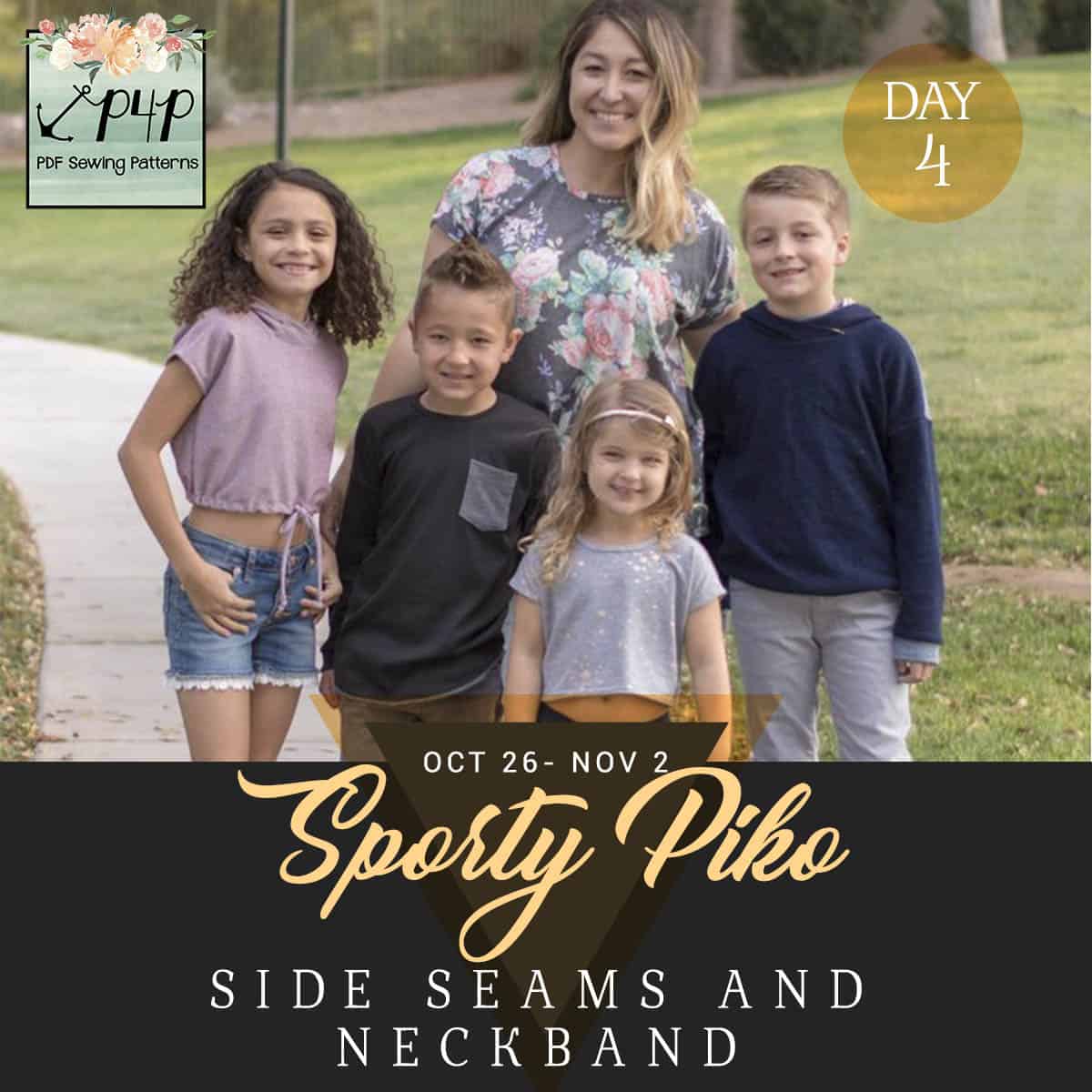
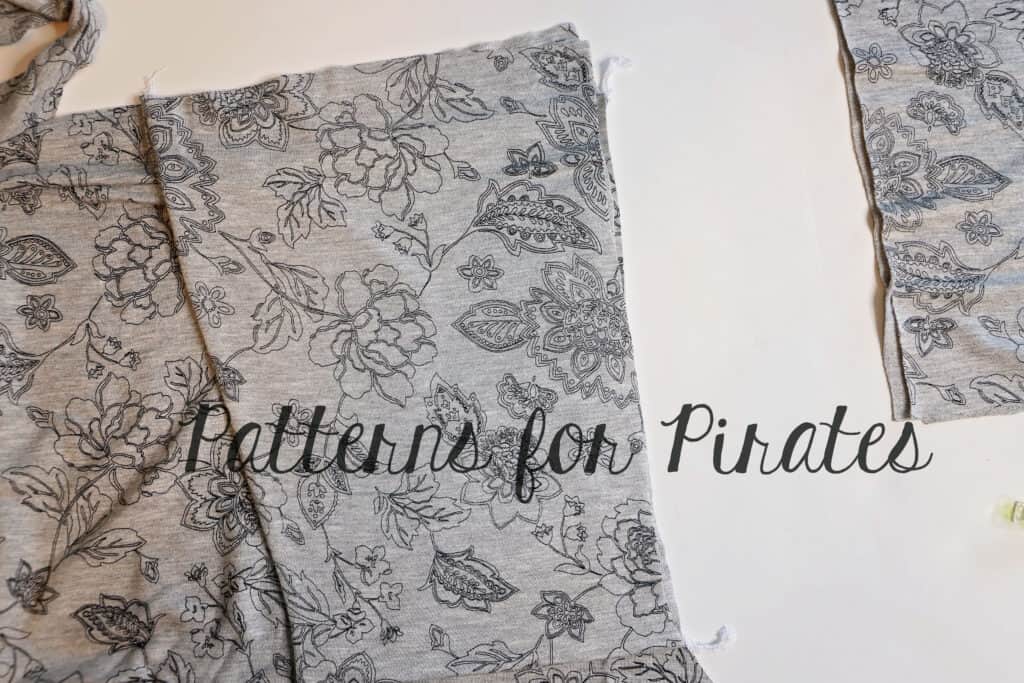
Another easy day in the Sporty Piko sew along, but let’s face it…they are all pretty easy. All of us will be sewing the side seams first. Pin the seam, right sides together, matching the under arm, sleeve ends and bottom. Sew with a stretch stitch, or your serger, following a 1/2 ” seam allowance. 

If you are making the hooded option, like I am, you are pretty much done for today. Snap your picture and check in by commenting on the day 4 photo of the sew along album. If you are sewing the neckband option, you will add that now. Take a look over our P4P University Neckbands 101 blog post. The key to a beautiful neckband is using fabric with excellent recovery and quartering the neck opening. If you followed previous sew alongs here on the blog, you have seen how I like to add the neckband to various P4P patterns. By the way, did you know all P4P blogs and videos stay up forever? Check out our YouTube Channel!

Great job so far! Don’t forget to check in for today so you qualify for the prizes!

Sporty Piko SAL | day 1

Sporty Piko SAL | day 2

Sporty Piko SAL | day 3

Sporty Piko SAL | day 4

Sporty Piko SAL | day 5

Sporty Piko SAL | day 6

Sporty Piko SAL | day 7

Filed Under: Frequently Asked Questions, Sew-A-Long, Uncategorized Leave a Comment

Sporty Piko Sew Along – day 3 (shoulder seams and sleeves)

October 28, 2020

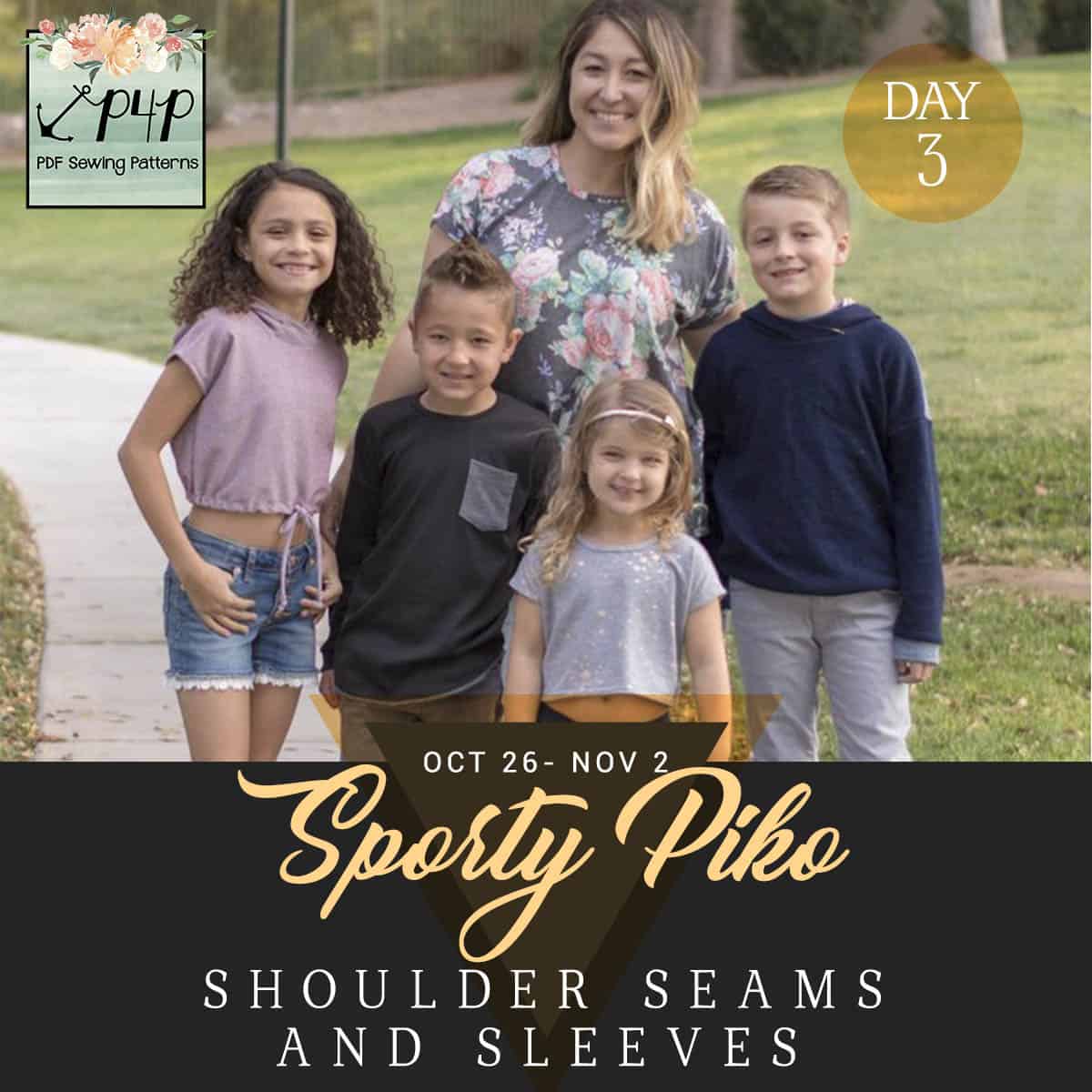
Welcome to day 3 of our Sporty Piko Sew Along. Today’s steps include sewing the shoulder seams and adding the sleeves. Remember, the pattern follows a 1/2″ seam allowance snd it’s highly important to keep that constant. 

Tip: Add clear elastic to the shoulder seams to strengthen them and make sure the shoulders don’t stretch throughout the day. 

When attaching the sleeves start by pinning the center of the raw edge to the shoulder seams, then pin the sides. You will be easing the sleeves in the sleeve opening. Optionally you can top stitch the seam allowance.

I have posted today’s video below. As always, you will be checking in with your progress photo in the day 3 picture comments of the Sporty Piko Sew Along album. 


Sporty Piko SAL | day 1

Sporty Piko SAL | day 2

Sporty Piko SAL | day 3

Sporty Piko SAL | day 4

Sporty Piko SAL | day 5

Sporty Piko SAL | day 6

Sporty Piko SAL | day 7

Filed Under: Frequently Asked Questions, Sew-A-Long, Uncategorized Leave a Comment

Sporty Piko Sew Along – day 2 (chest pocket, back colorblocking)

October 27, 2020

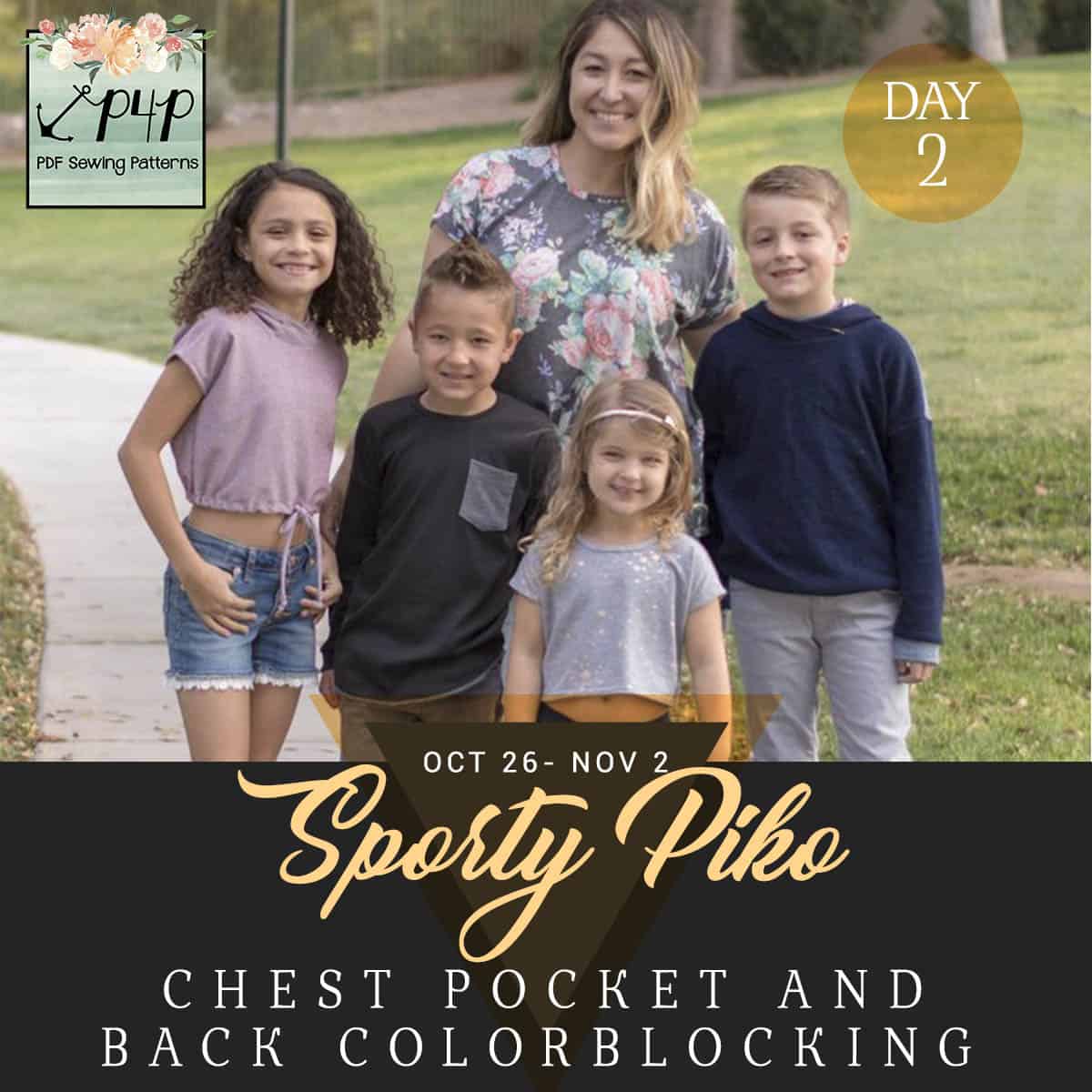
Good morning, pirates! Today we start sewing our Sporty Piko shirts. First step is to add the optional chest pocket. It is optional but I wouldn’t skip it, it adds a little extra something to the front….plus, you can hide your little treasures in it 😉


The key to getting a nice pocket is pressing! Yes, I know, I know… I say that all the time but it’s true. If you have a favorite woven you would like to use instead of knit, you can do that for the pocket. 

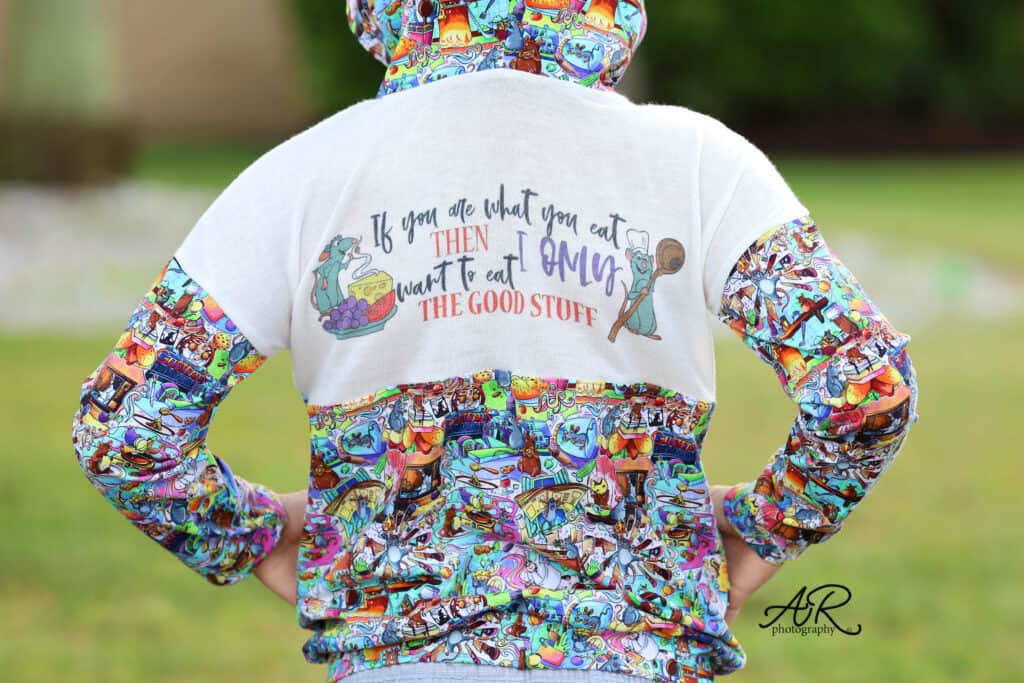
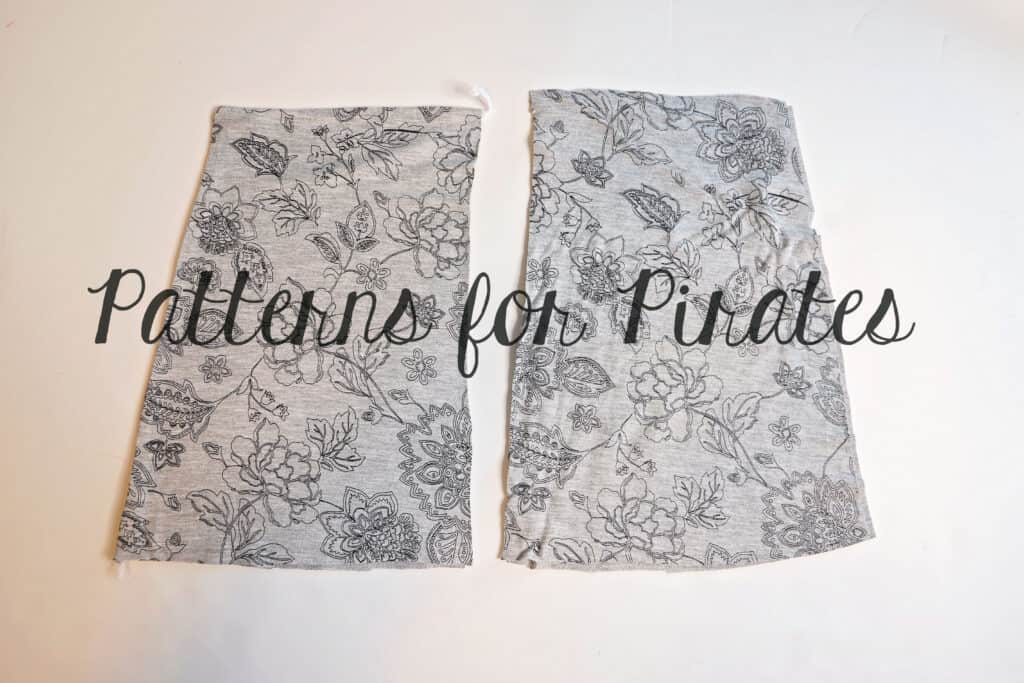
Next and final step of the day is to create the back piece by sewing the top and bottom together. Simply match the center point and pin in place. The two edges are 1:1 ratio so they will match perfectly, no stretching.

Tip: if you plan on adding any embellishments to the top back piece (like HTV, sublimation, iron ons, etc) do that before you sew the pieces together. 


You can see the day 2 video below. Once you complete these steps, post a picture of your progress in the comments of day 2 photo of the sew along album. You can find this album in our SAL group. 


Sporty Piko SAL | day 1

Sporty Piko SAL | day 2

Sporty Piko SAL | day 3

Sporty Piko SAL | day 4

Sporty Piko SAL | day 5

Sporty Piko SAL | day 6

Sporty Piko SAL | day 7

Filed Under: Frequently Asked Questions, Sew-A-Long, Uncategorized Leave a Comment

Sporty Piko Sew Along – day 1 (print pattern and cut fabric)

October 26, 2020

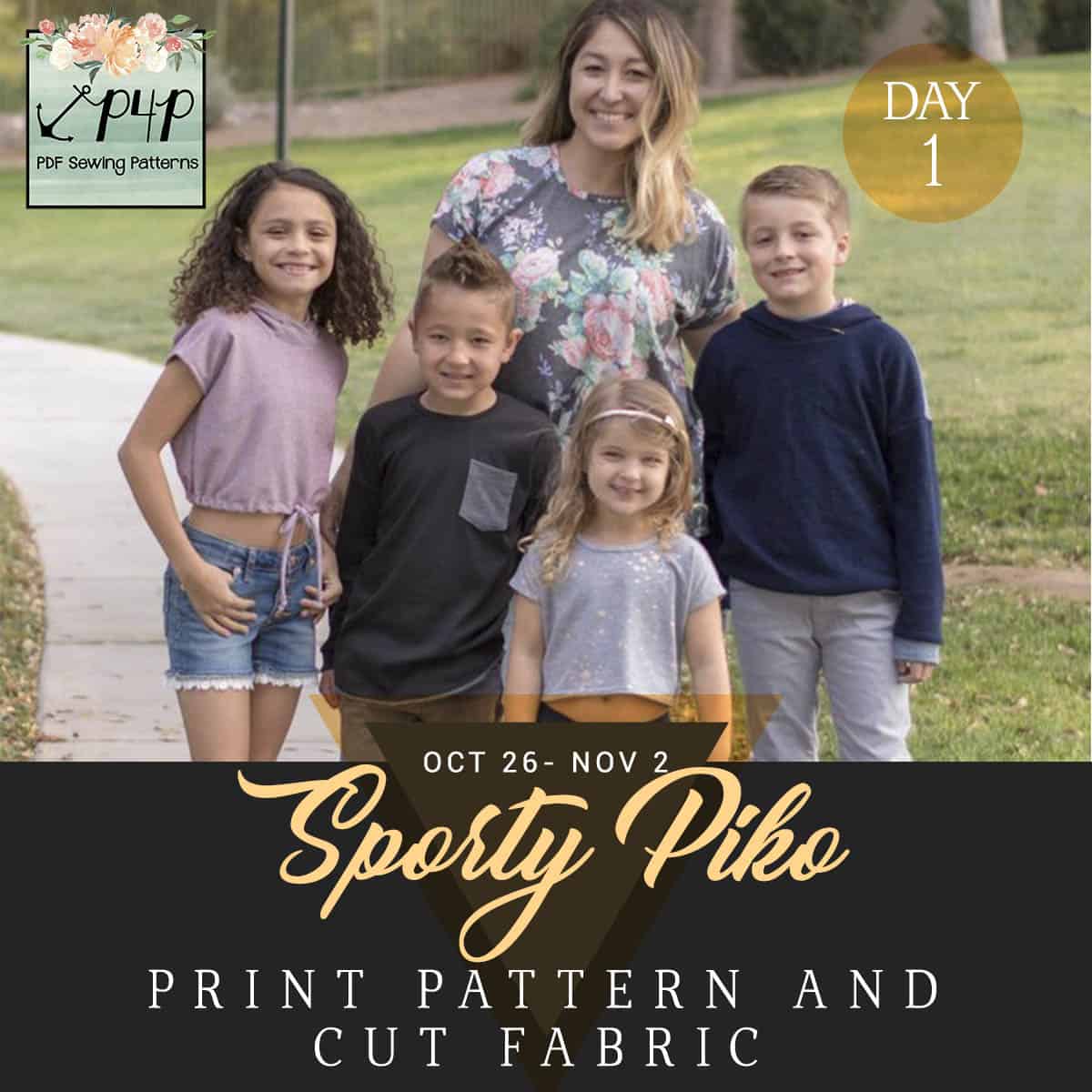
Welcome to the Sporty Piko Sew Along!

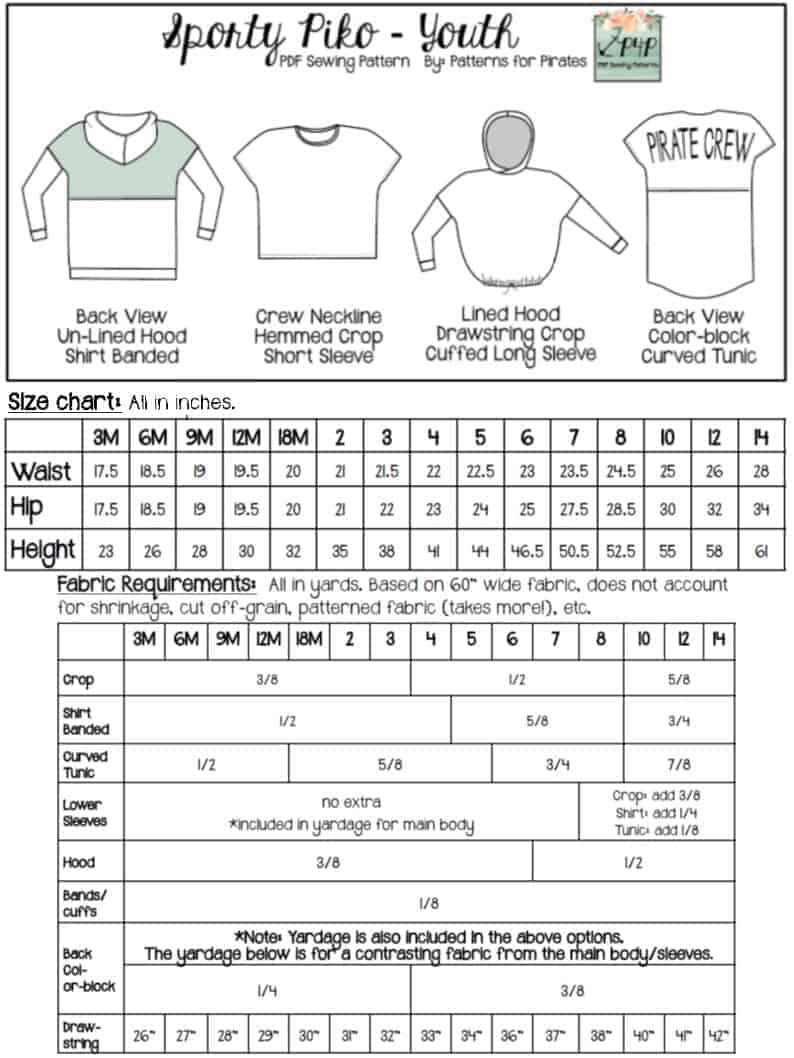
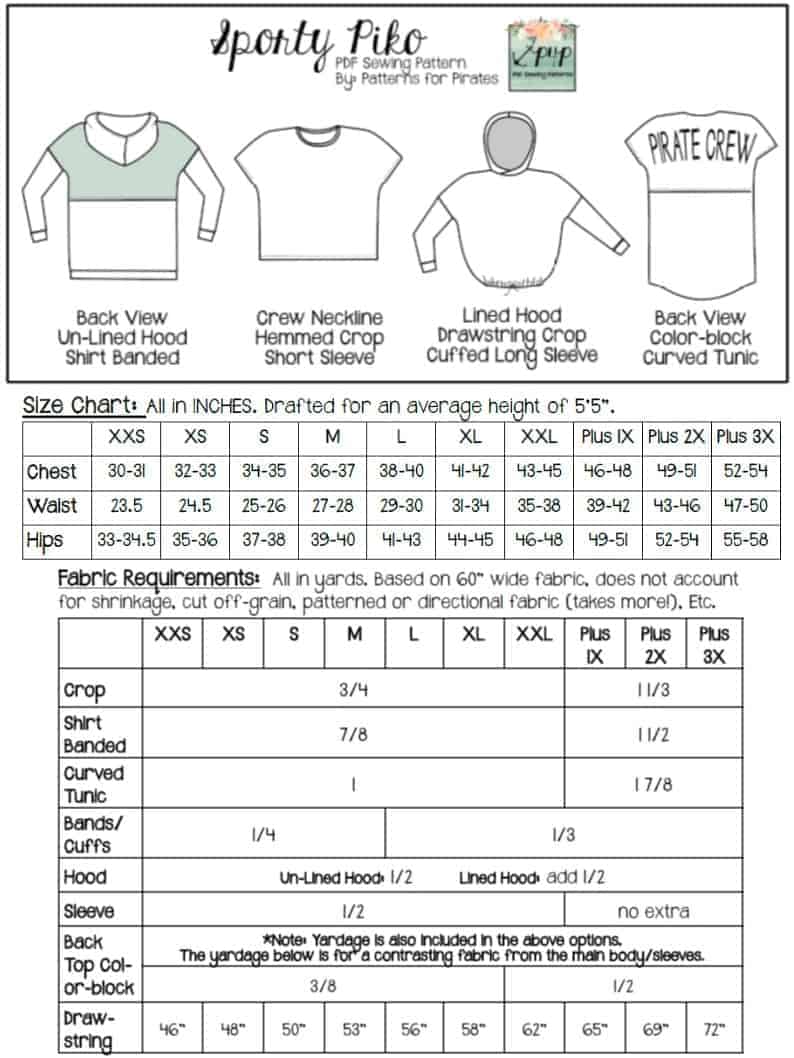
I am happy to sew with you a Sporty Piko this week. The pattern comes in Youth and Adult and you can of course get the bundle and save. If you are still undecided which style to make, our Round Up blog will give you a glance at all options included, from sleeve lengths to necklines. You can also use the Easy Hacks blog for added options.

Let’s start by taking the measurements needed for the best fit. P4P has an amazing blog that gives you tips for accurately taking your measurements. You can read all about it here. If your measurements put you in a different size for chest/waist/hips be sure to check out our P4P University blog and grade to achieve the perfect fit. The Sporty Piko patterns include videos as well. On page 3 you will notice an active button that will take you to the video about adding or removing length. Please refer to it if you are taller or shorter than 5’5″.


Unsure about which knit type will work best for your desired look? Take a look over our P4P University Knit Types blog. We also included a cheat sheet that you can print. If you are like me and sometime are just keen on using a specific print for a specific pattern, read our Different fabric, different fit blog post before you cut your fabric.

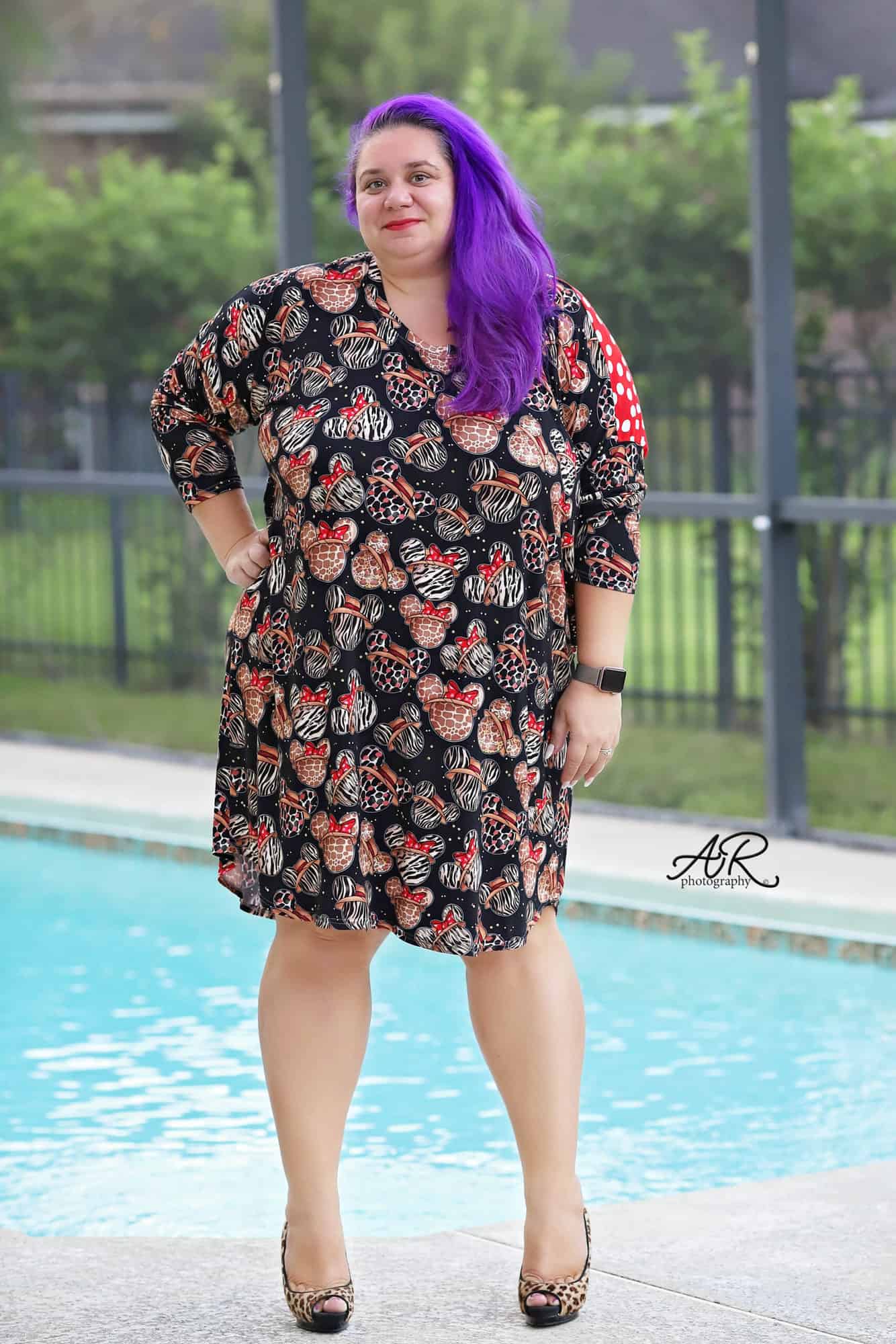
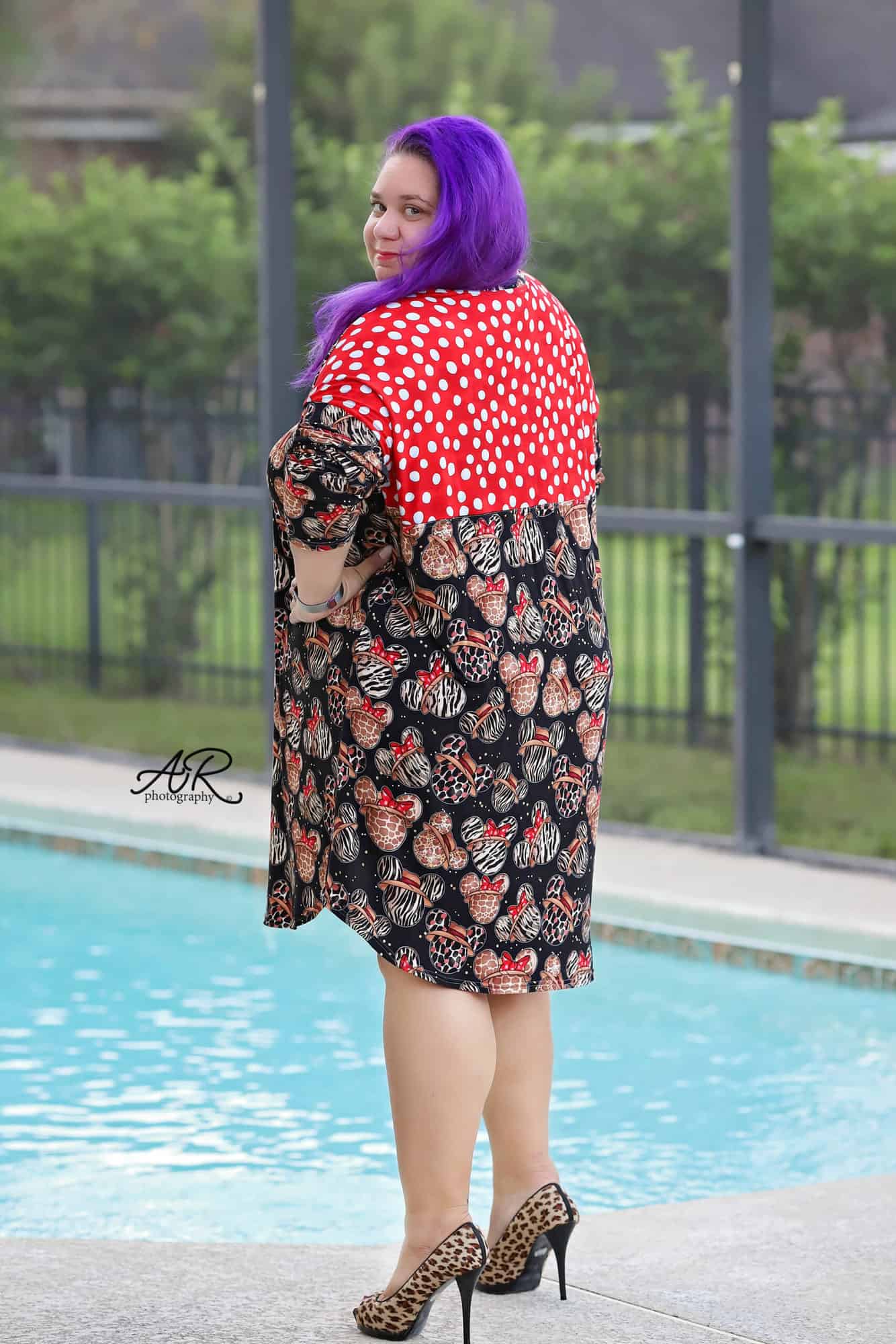
The Sporty Piko patterns include a crop, shirt and tunic length. If you would like to make a dress length simply add 8-10 inches length. The simplest way to do that is to cut both the back and the front pattern pieces at the crop cut line, add the extra length there and tape the remainder of the pattern to it. You can see in the video below how to do that. This is my dress hack made with bamboo lycra.


This pattern is drafted from light to medium weight fabrics with 20-30% stretch. The Sporty Piko has an oversized, relaxed fit so using thicker fabric like cotton lycra, french terry or sweatshirt fleece will give you a bulkier, more rectangle look. It would work great for the youth option, though. For my Sporty Piko I will be using a cute custom cotton lycra from Hapa Fabrics. Hapa is this sew along’s sponsor so be sure to check them out and show them some love in their Facebook group.


You can see the day 1 below, including how I use my projector  with the A0 file. Once you cut the fabric, post a picture of your pretty pile in the comments of DAY 1 photo of the Sporty Piko album in the M4M & P4P Sew Along Group.

Sporty Piko SAL | day 1

Sporty Piko SAL | day 2

Sporty Piko SAL | day 3

Sporty Piko SAL | day 4

Sporty Piko SAL | day 5

Sporty Piko SAL | day 6

Sporty Piko SAL | day 7

Filed Under: Frequently Asked Questions, Sew-A-Long, Uncategorized Leave a Comment

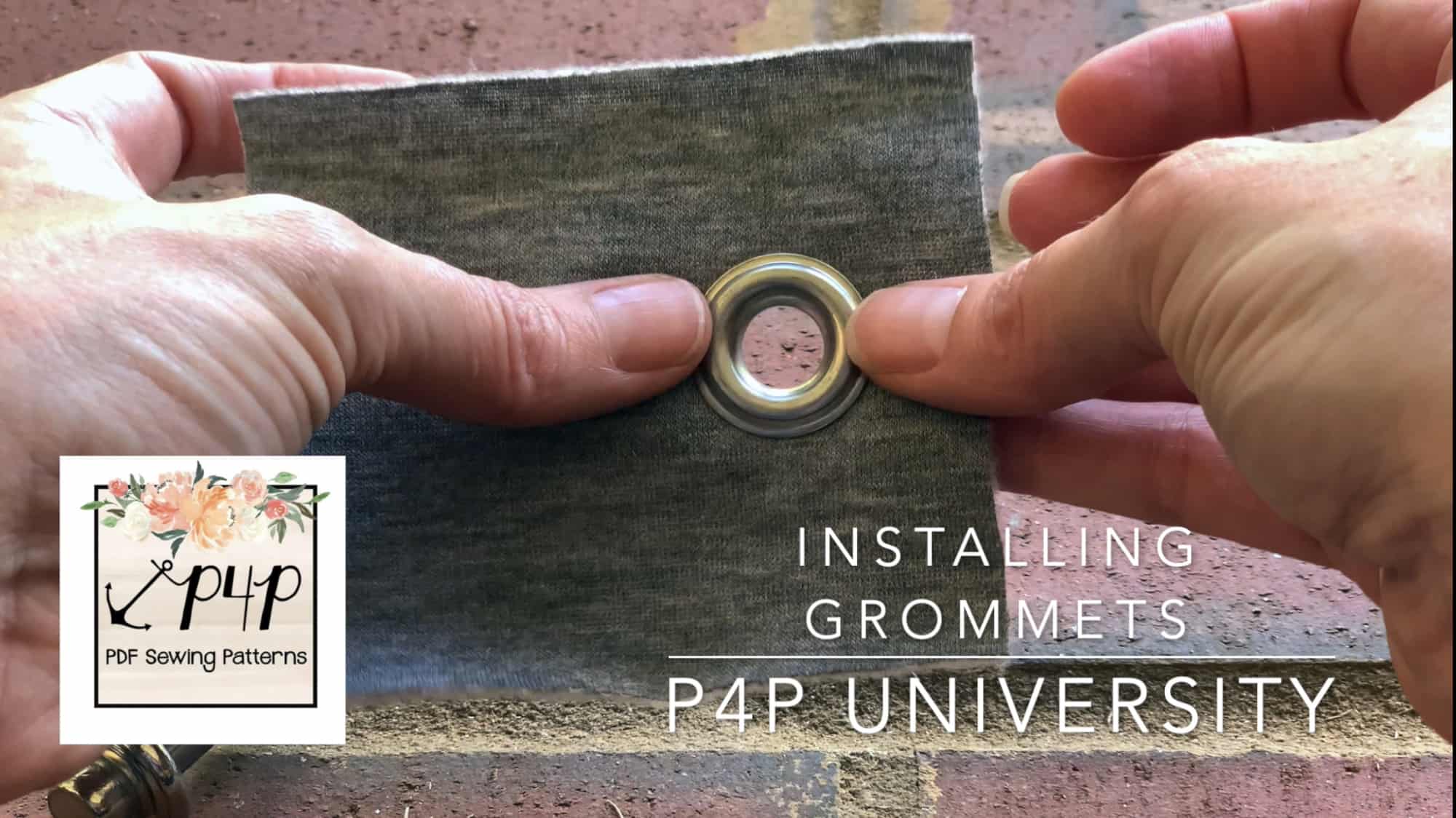
P4P University – Grommets

October 16, 2020

Raise your hand if grommets scare you? Have you done everything possible, including skipping that cute drawstring, just to avoid installing eyelets?

I did for years! I even made buttonholes to avoid installing those little metal devils. Buttonholes!

But, I’m here now to show you how truly easy it is to install grommets in your makes. Within the next few minutes, you’ll wonder why you were ever intimidated.

For those who prefer a video tutorial, I’ve got you covered!

If you prefer a written tutorial, read on.

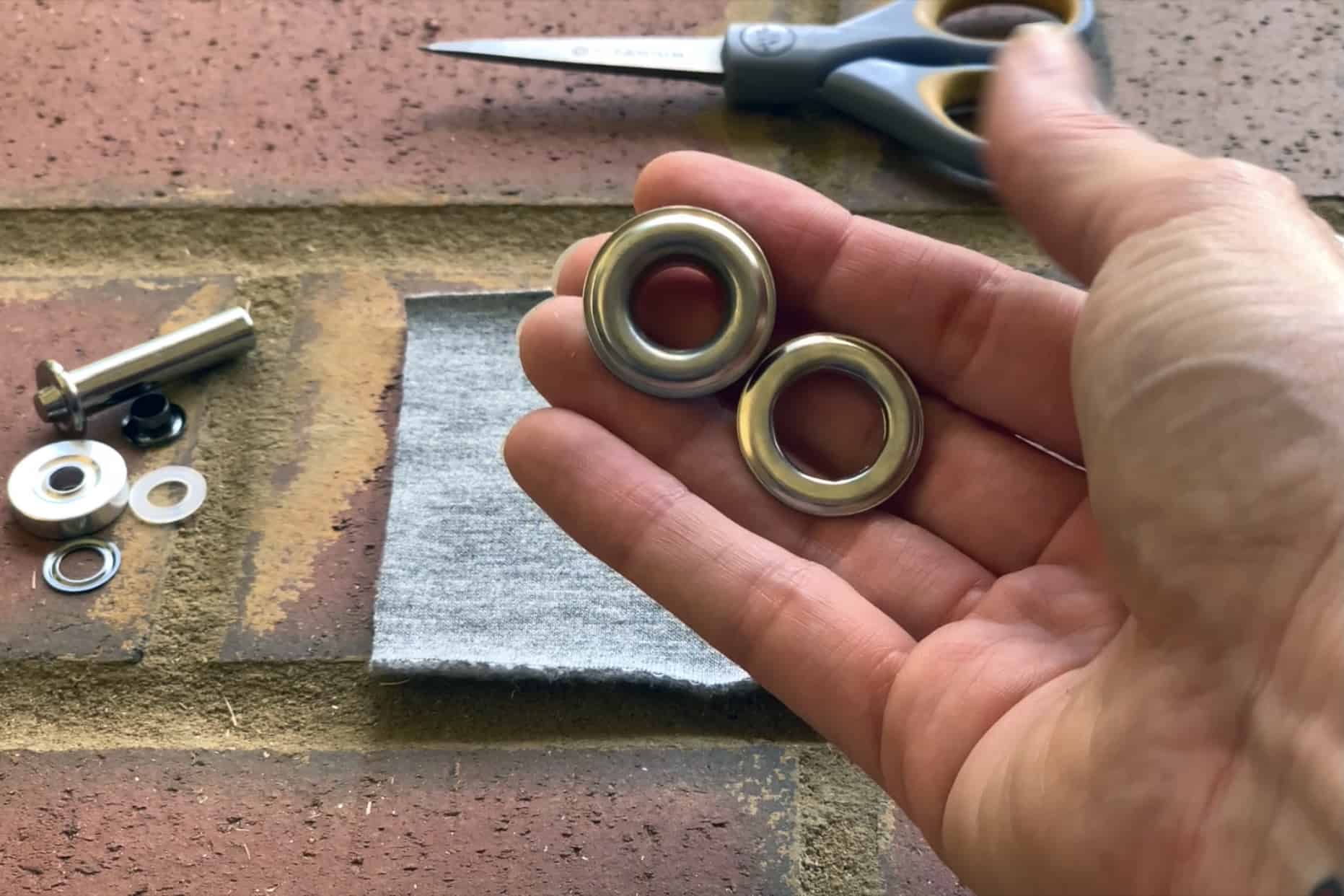
First, the anatomy of a grommet…

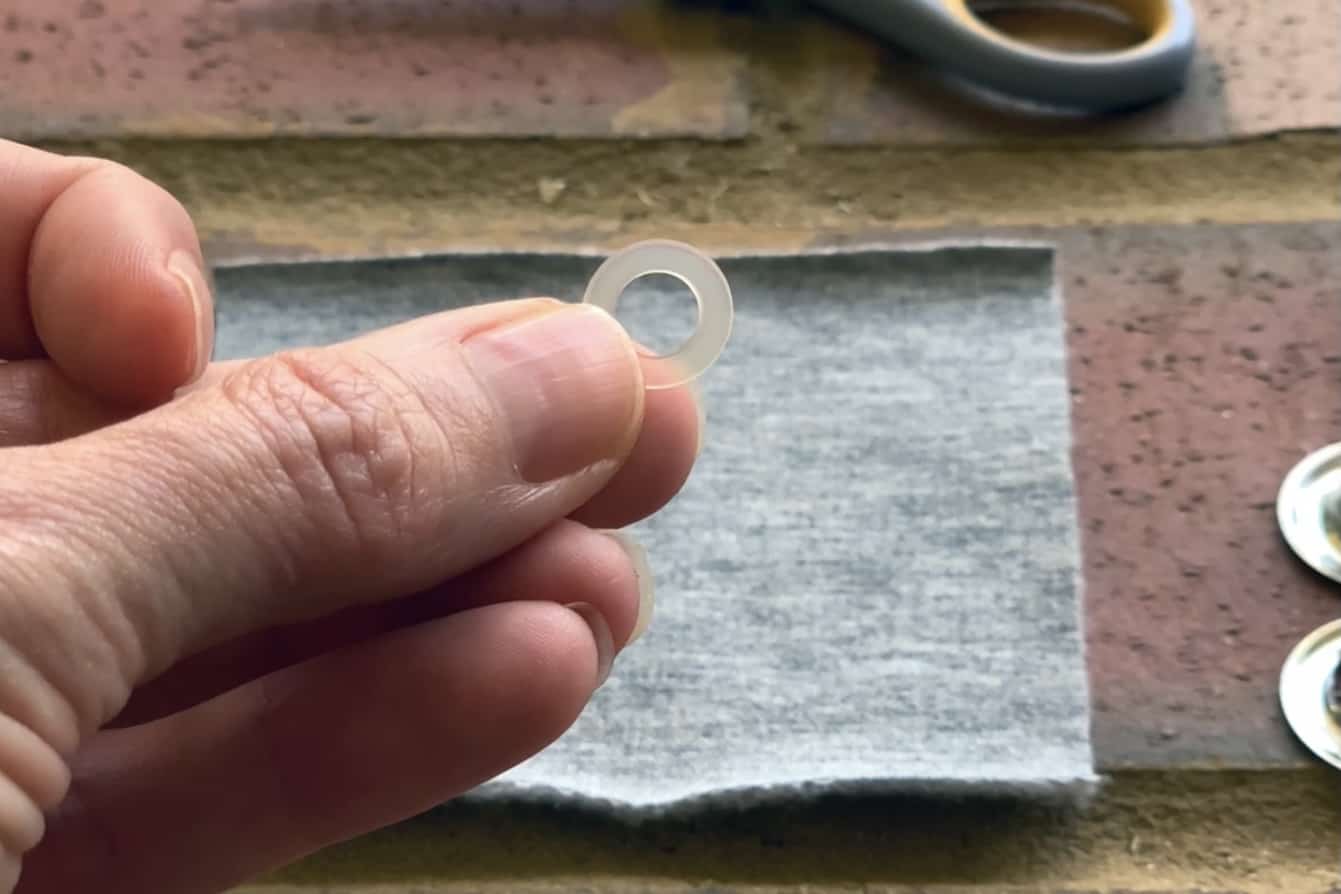
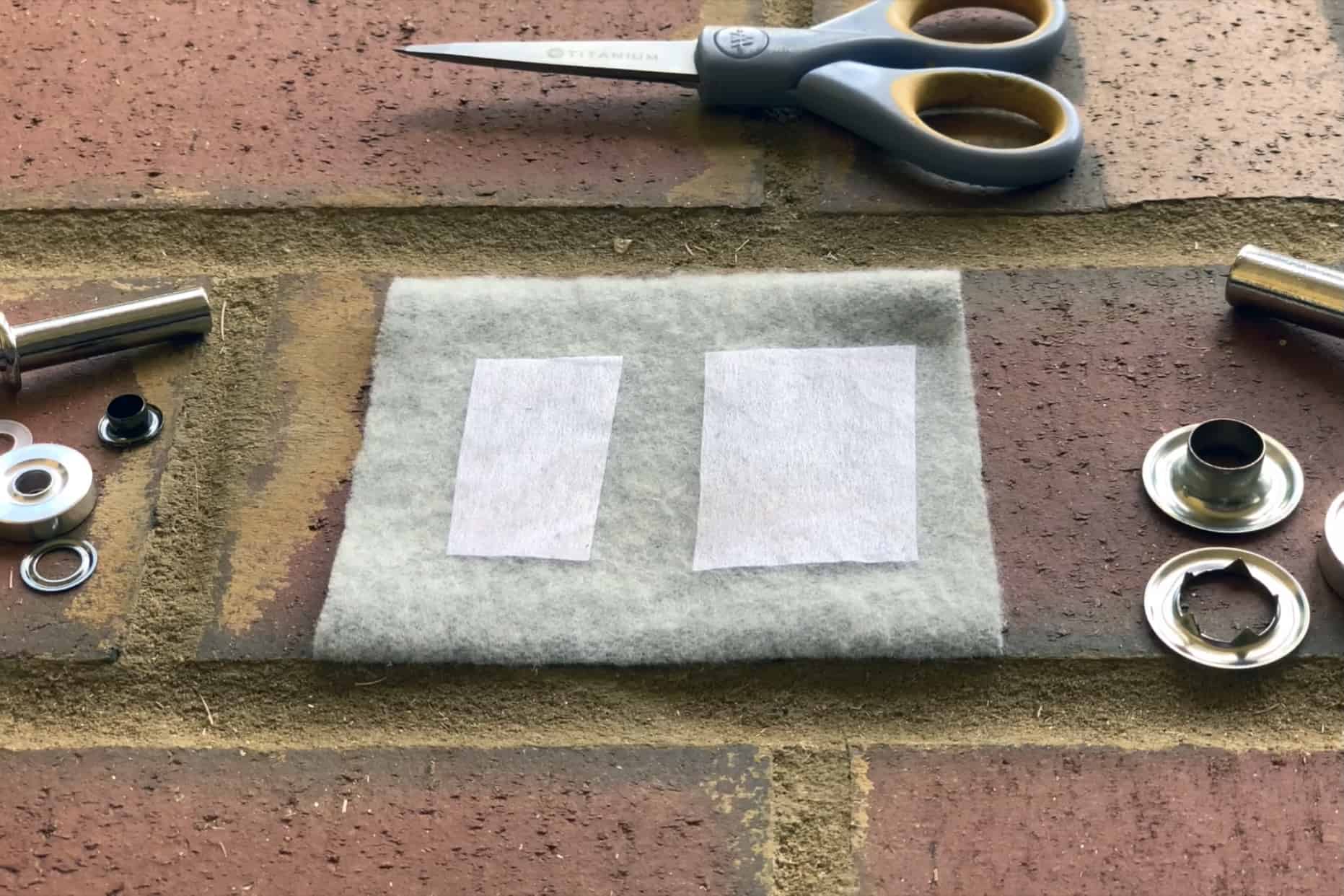
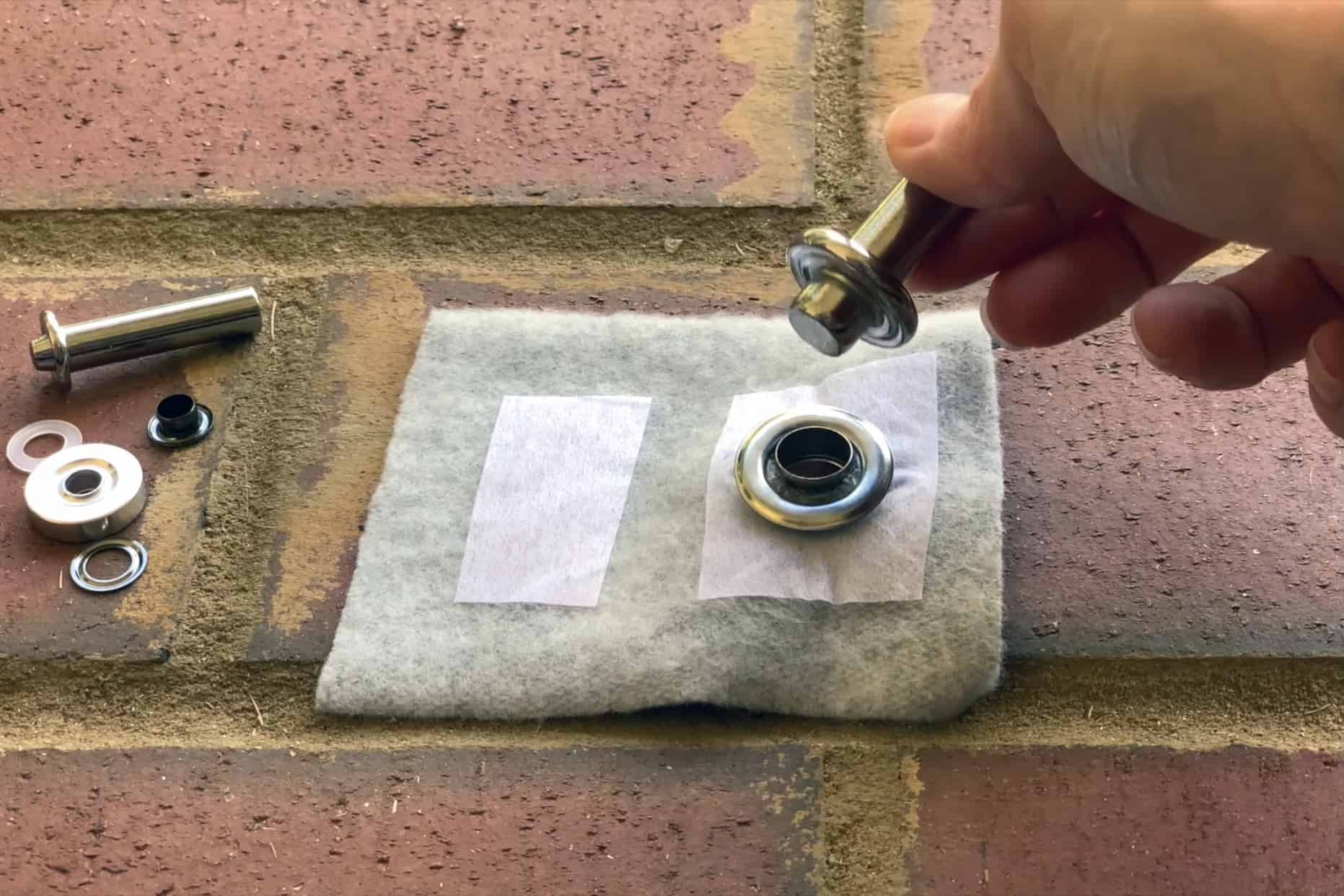
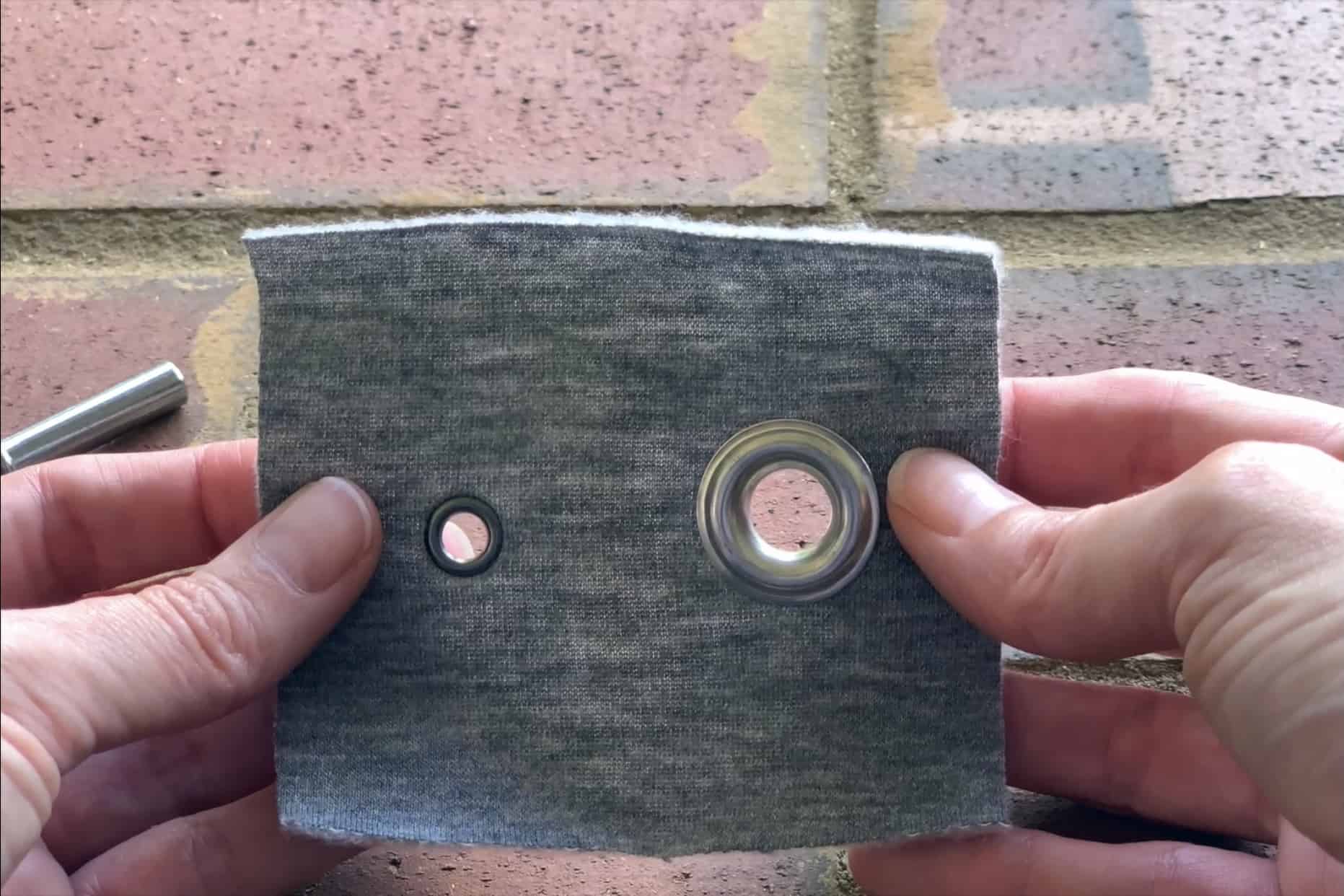
You will have your eyelet – that’s the piece that has a post. It will always be on the right side of your fabric. The backside is called the washer. The larger sizes typically have sharp teeth that help to better secure the grommet in place. The smaller sizes often have a plastic ring that sits between the back of your fabric and the metal washer.

Most grommet kits will also come with an anvil (remember the Coyote and Roadrunner from Looney Tunes?!) and a setting tool. It’s important to use the right anvil for the size of grommet that you are setting.

I always iron a bit of interfacing on the backside of where my grommets will be installed. That extra security means that you won’t be replacing a grommet due to your fabric stretching out.

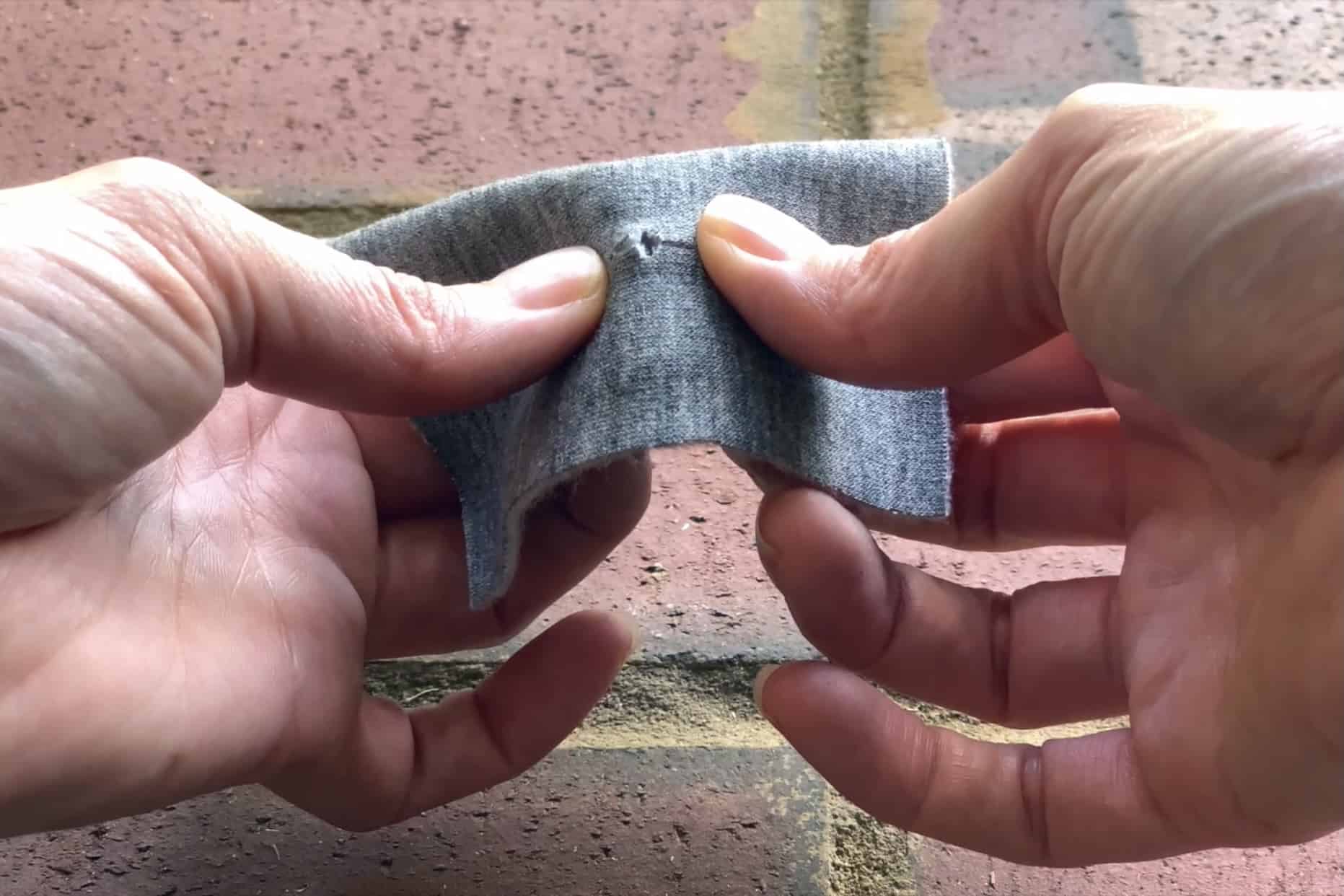
Snip a small “X” where you want to place your grommet, taking care not to make the opening too large. You want it just big enough to push your eyelet post through.

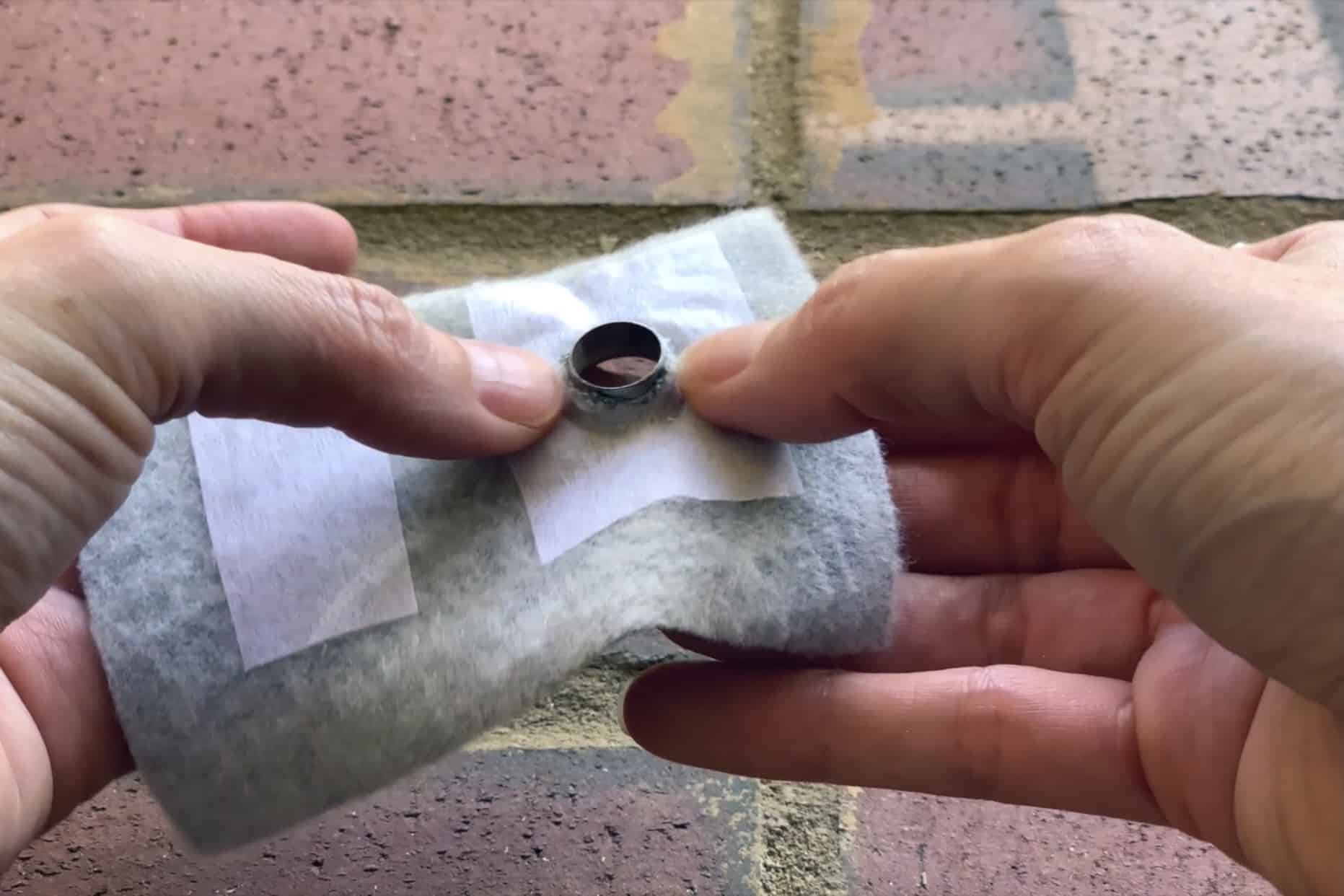
Place your washer around the post of the eyelet. If you are using a smaller eyelet, place the plastic ring under the metal washer.

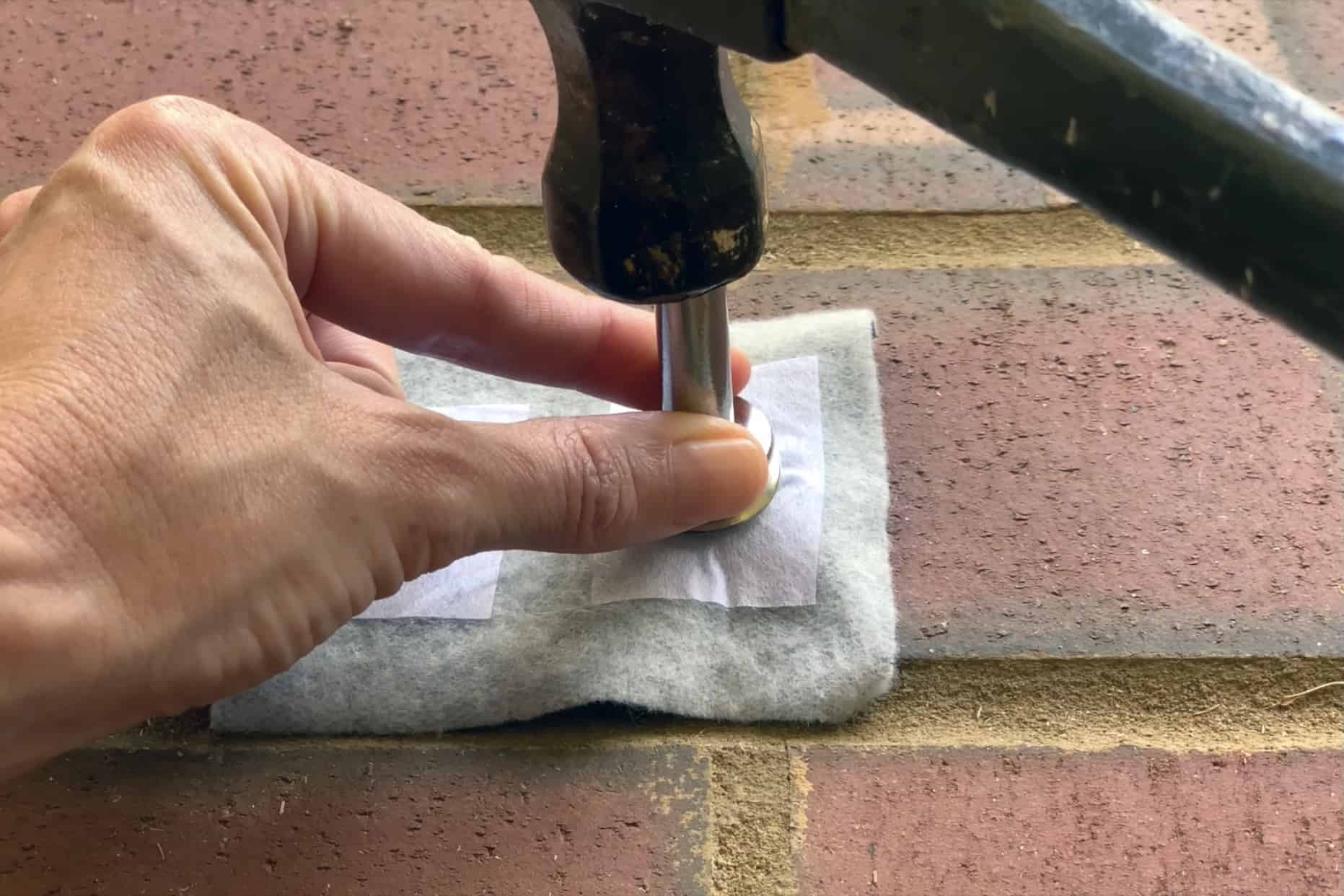
Set your grommet, face down, on top of the anvil and insert your setting tool in the post with the short end.

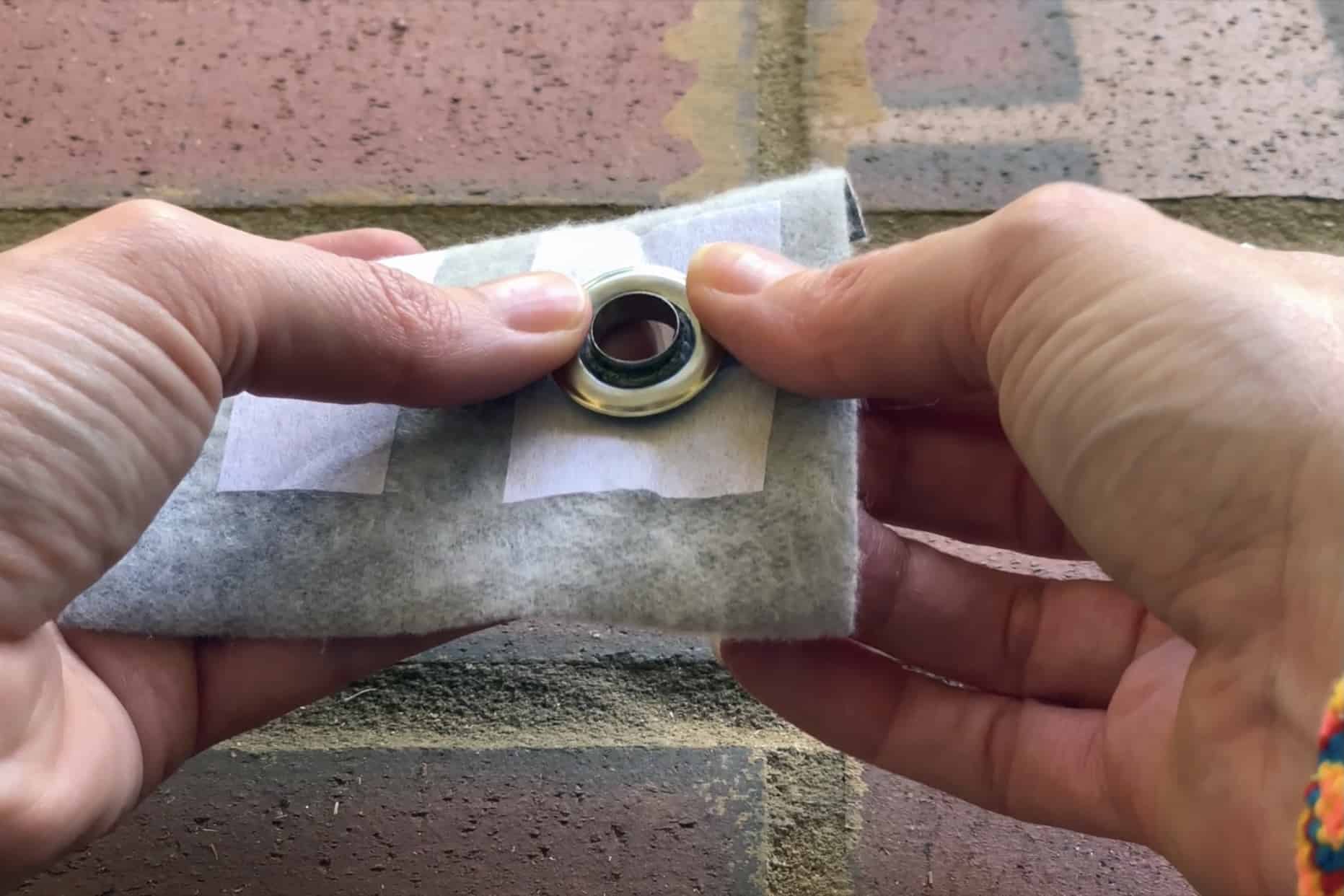
Give it a few good whacks with your hammer – four or five should do. As you are hammering, the post is actually folding down over the washer and securing it in place.

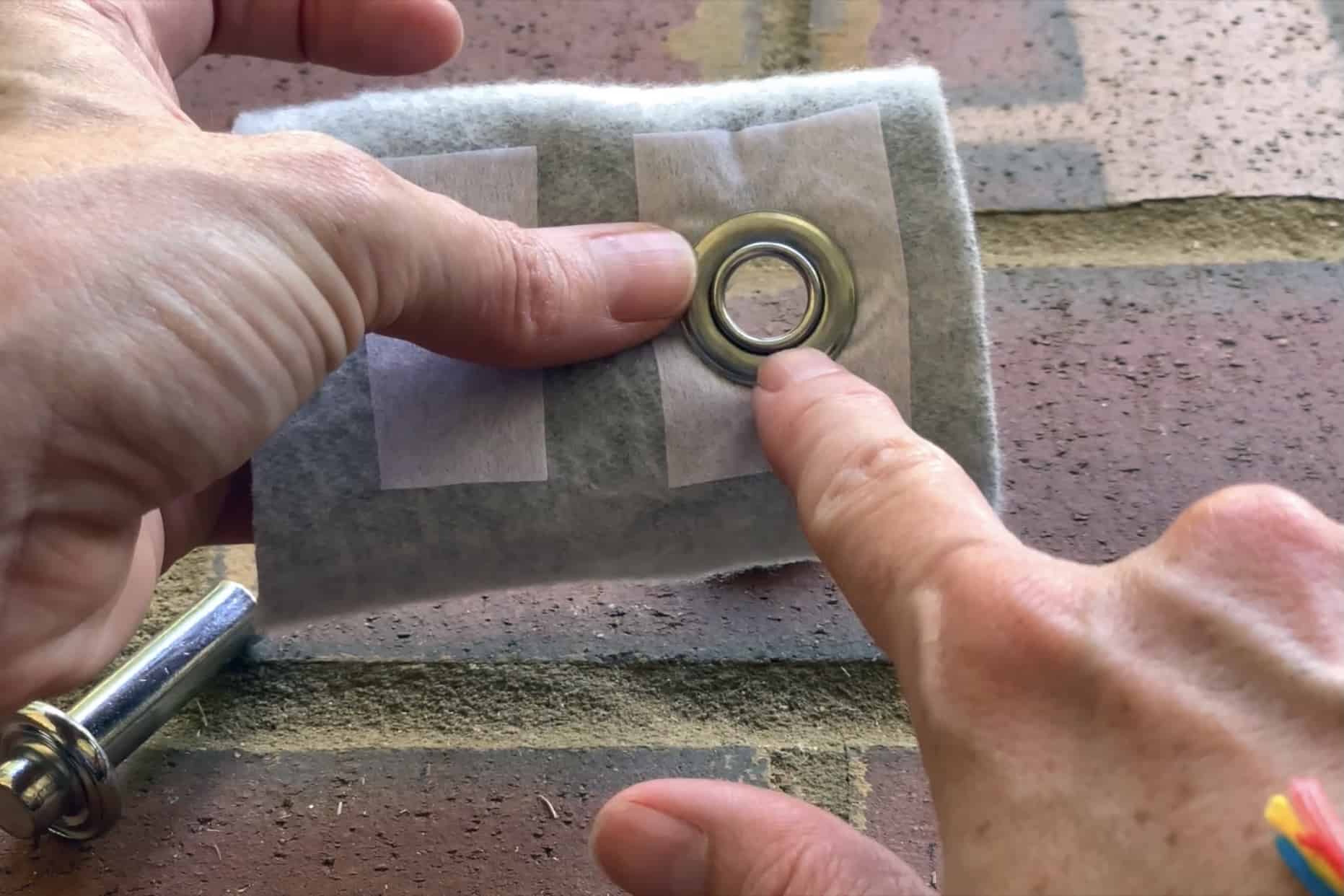
And that’s it! You’re ready to install your second grommet. You can feel how tight the fit is around your fabric. If it feels too loose, replace your setting tool and strike it with the hammer a couple more times.

Setting grommets is a wonderful garment-making skill to know and it will unleash even more creative possibilities in your future projects.

If there is any detail that I’ve left out of the written instructions, please do watch the video above. Feel free to reach out to me through the P4P Facebook Group, too. I’m happy to answer any questions you may have.

Until next time, happy sewing!

Rachel

Filed Under: Frequently Asked Questions, P4P University, Uncategorized 2 Comments

Protected: Fabric for Pirates :: October 2020 Reveal

October 10, 2020

This content is password protected. To view it please enter your password below:

Filed Under: Fabric for Pirates 10 Comments

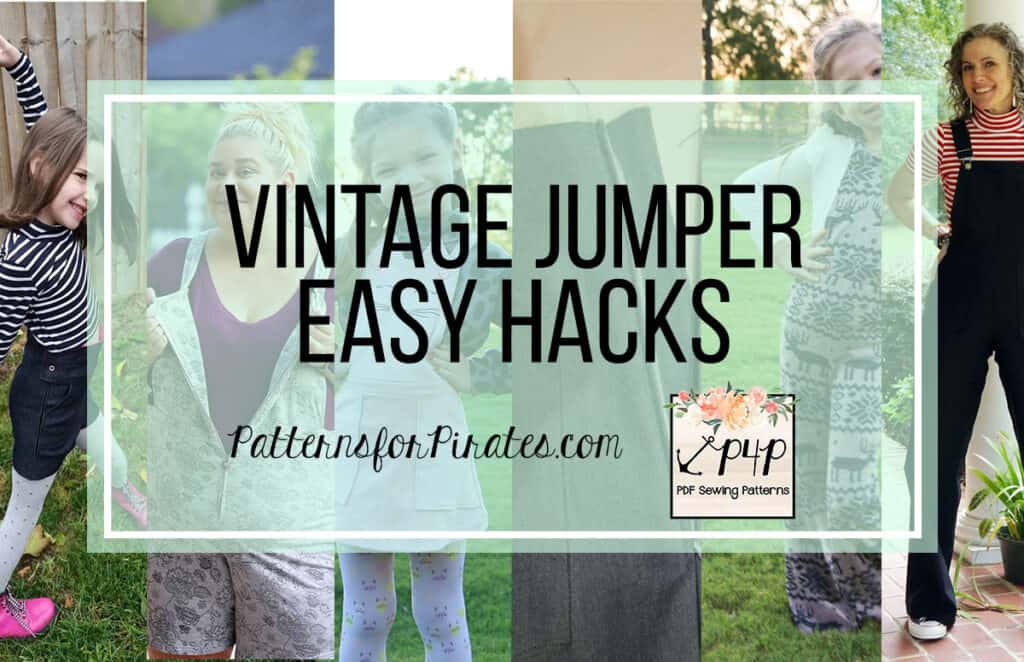
Vintage Jumper – Easy Hacks

October 1, 2020

The Vintage Romper is here and we couldn’t be more excited to share with you the blog team’s take on some easy hacks. Grab your patterns and let’s get started!

…..

Pants/skirt

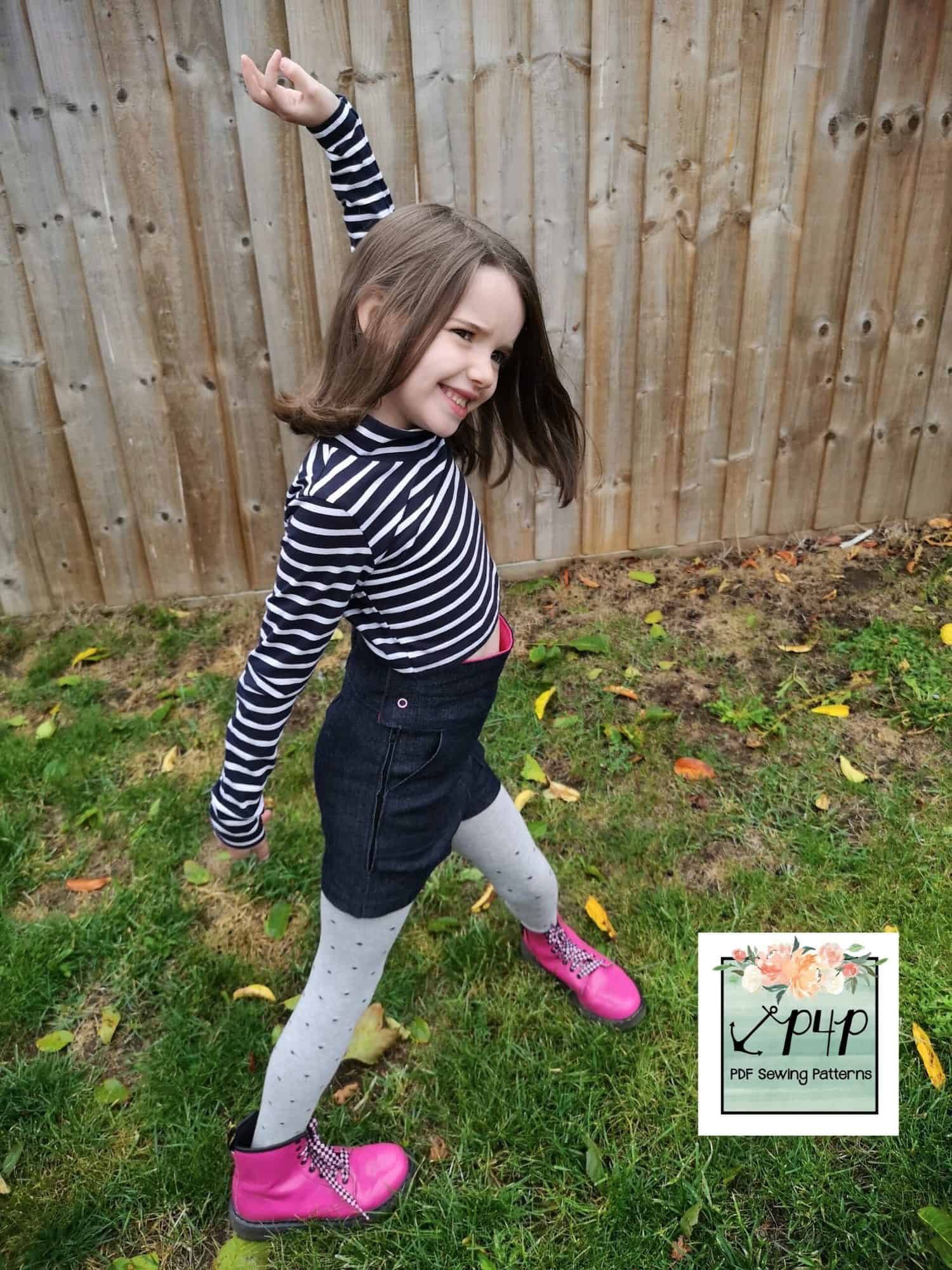
Do you love shorts like we love shorts?! Then you’re in the right place. I’m going to spend a little time today showing you how to hack the new Vintage Romper into a shorts or skirt only piece. It couldn’t be easier and I have even filmed a little tutorial showing you how to adapt the waistband pattern piece and then put the waistband together too, which you can find here:

However, if you like it old skool here is the written blog post. 


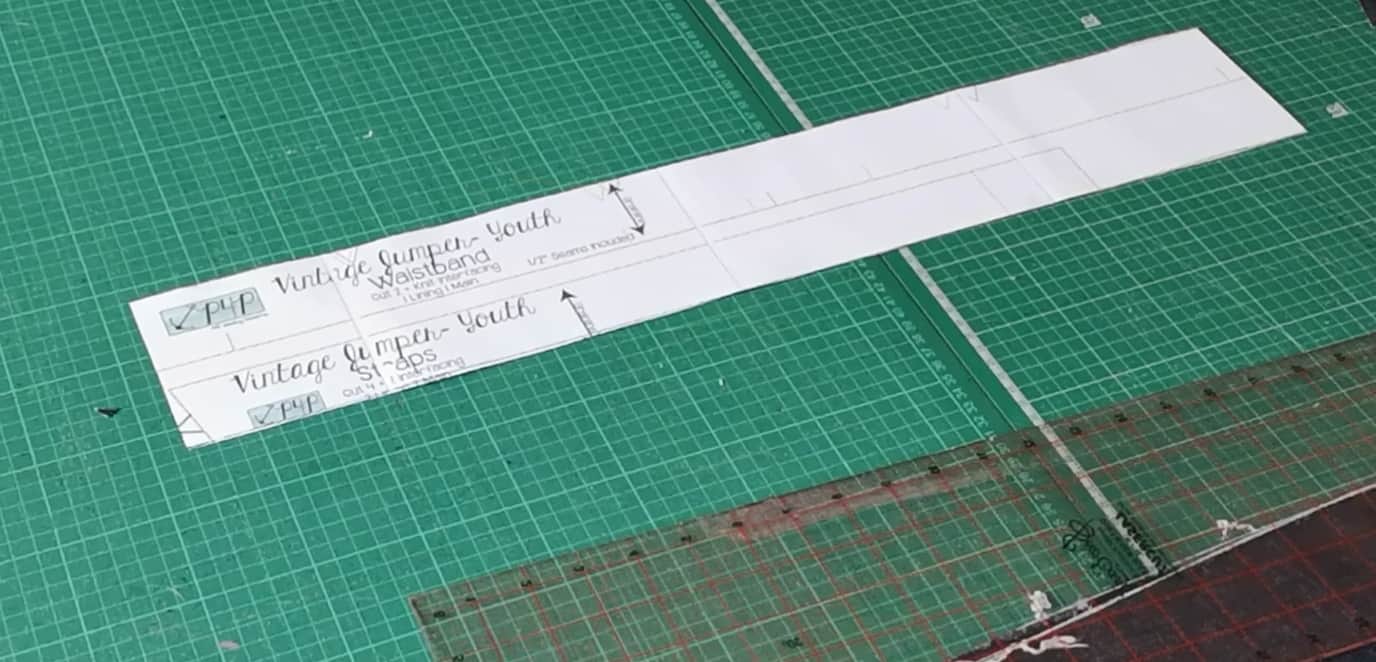
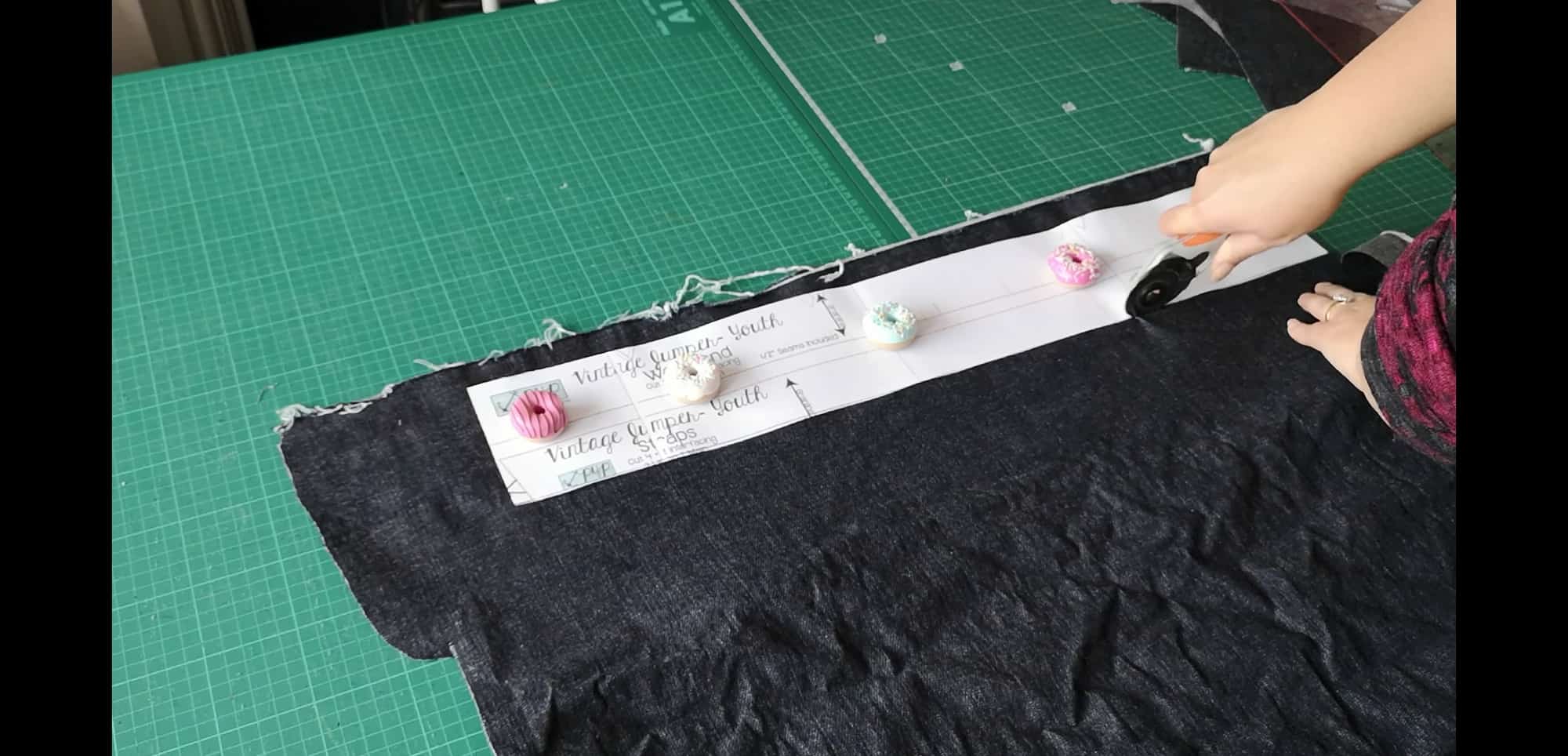
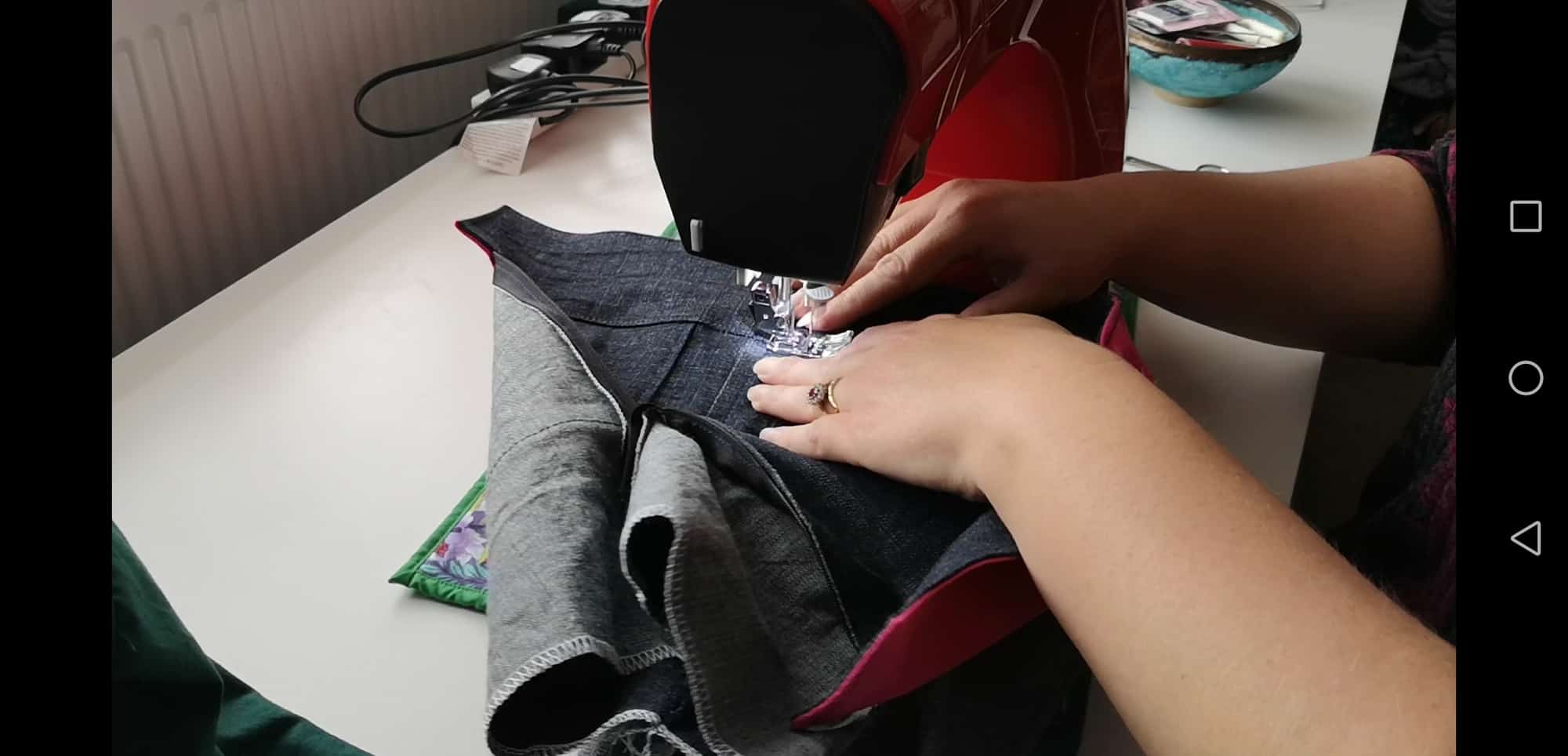
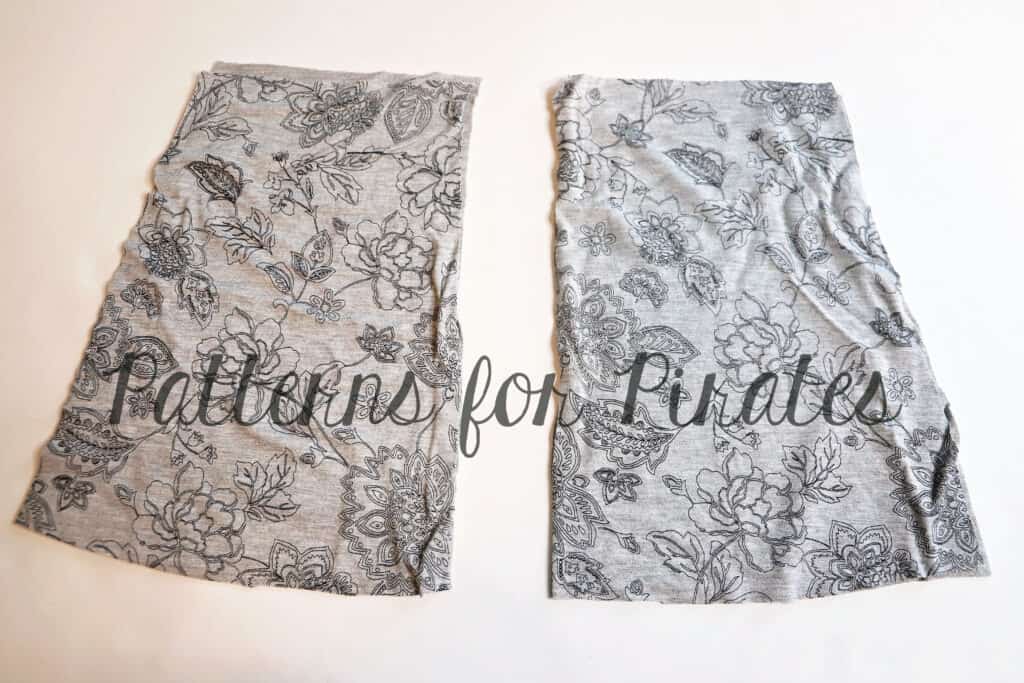
First you will want to cut out your skirt or pants pieces as per the regular tutorial. Then take your waistband piece and double the height of it. I used the Youth pattern to make mine and this measured 2 inches in height so I doubled it to make it 4 inches tall and then cut the length out as usual. I wasn’t going to use the strap pieces so I extended the waistband height out over the strap piece here, just to save paper.  Cut your waistband lining piece out in the same way.


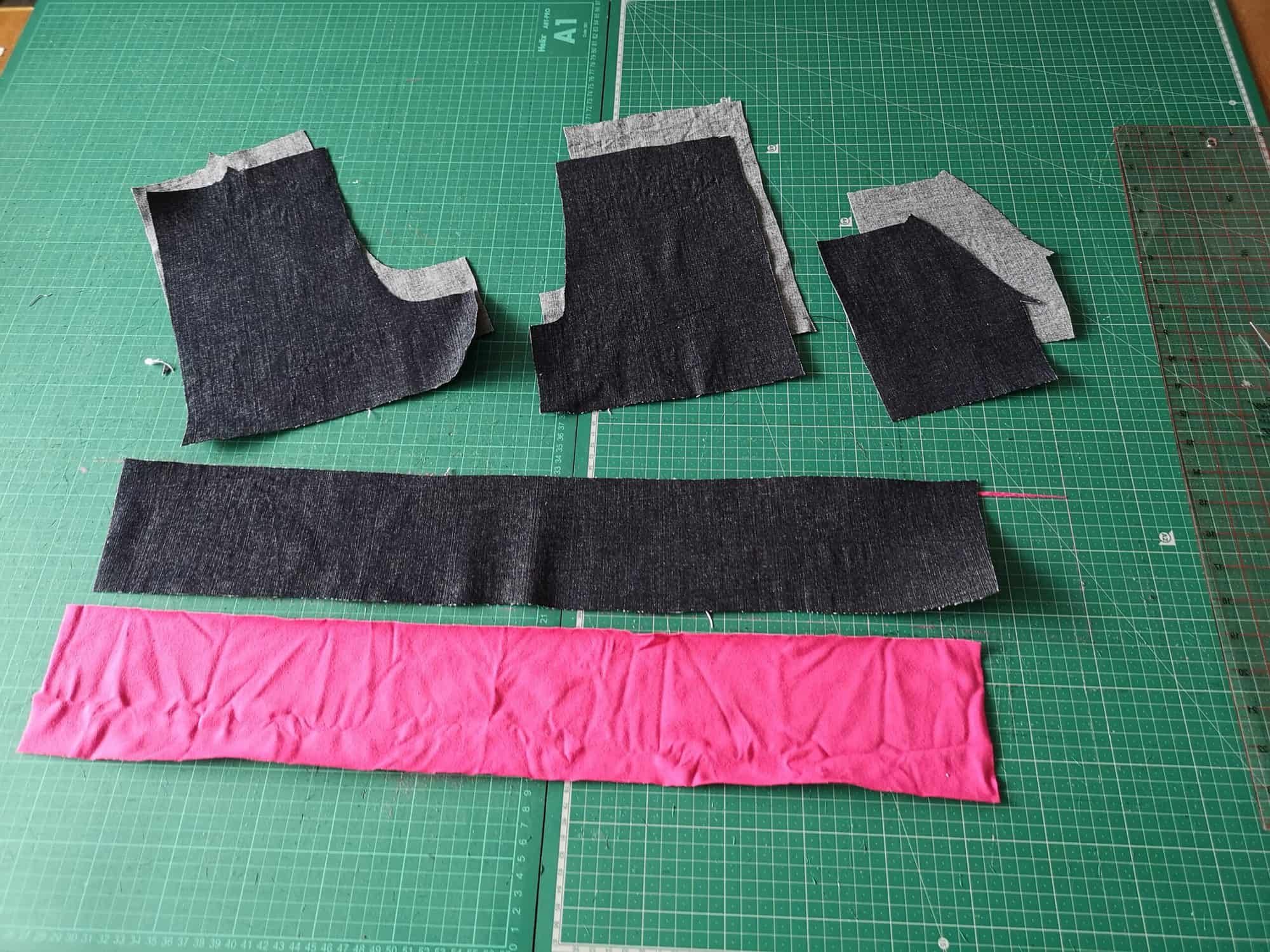
Waistband piece cut with the height doubled


shorts pieces, pockets, waistband outer and lining.

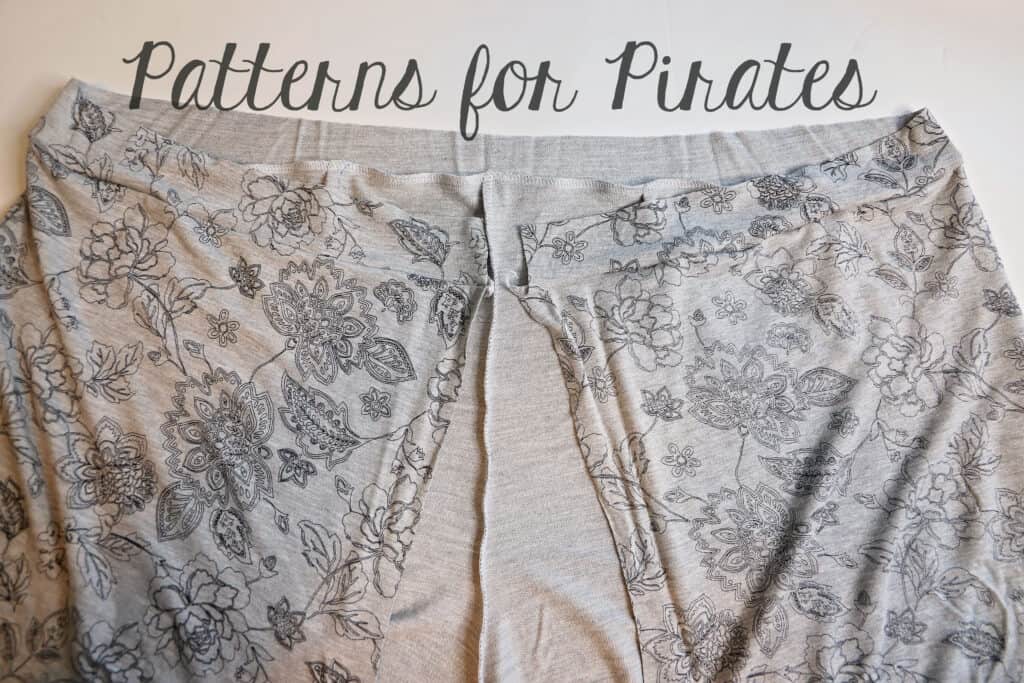
You will then have your pants/shorts/skirt pieces; pockets if using; extended waistband pieces; interfacing if using.  Construct the rest of your garment as usual until you get to the section where you have to attach the waistband. You will attach the waistband as per the tutorial, the only difference being you don’t have the bib and straps to sandwich between the outer and lining of the waistband pieces. So you will attach the waistband outer right sides together with the pants/skirt.

Waistband with overhang

You will have an overhang of the waistband over the edge of the pants piece .  This is correct, it enables you to attach a fastening for the top of the waistband at the end, like a button and buttonhole or poppers. Then sew the lining right sides together with the outer, up one short edge, along the top and down the other short edge.

 Clip your corners, turn it through.


Topstitching after pressing

Press and topstitch around the entire waistband. 

Then finish off your garment as per the regular tutorial instructions and you’re done!

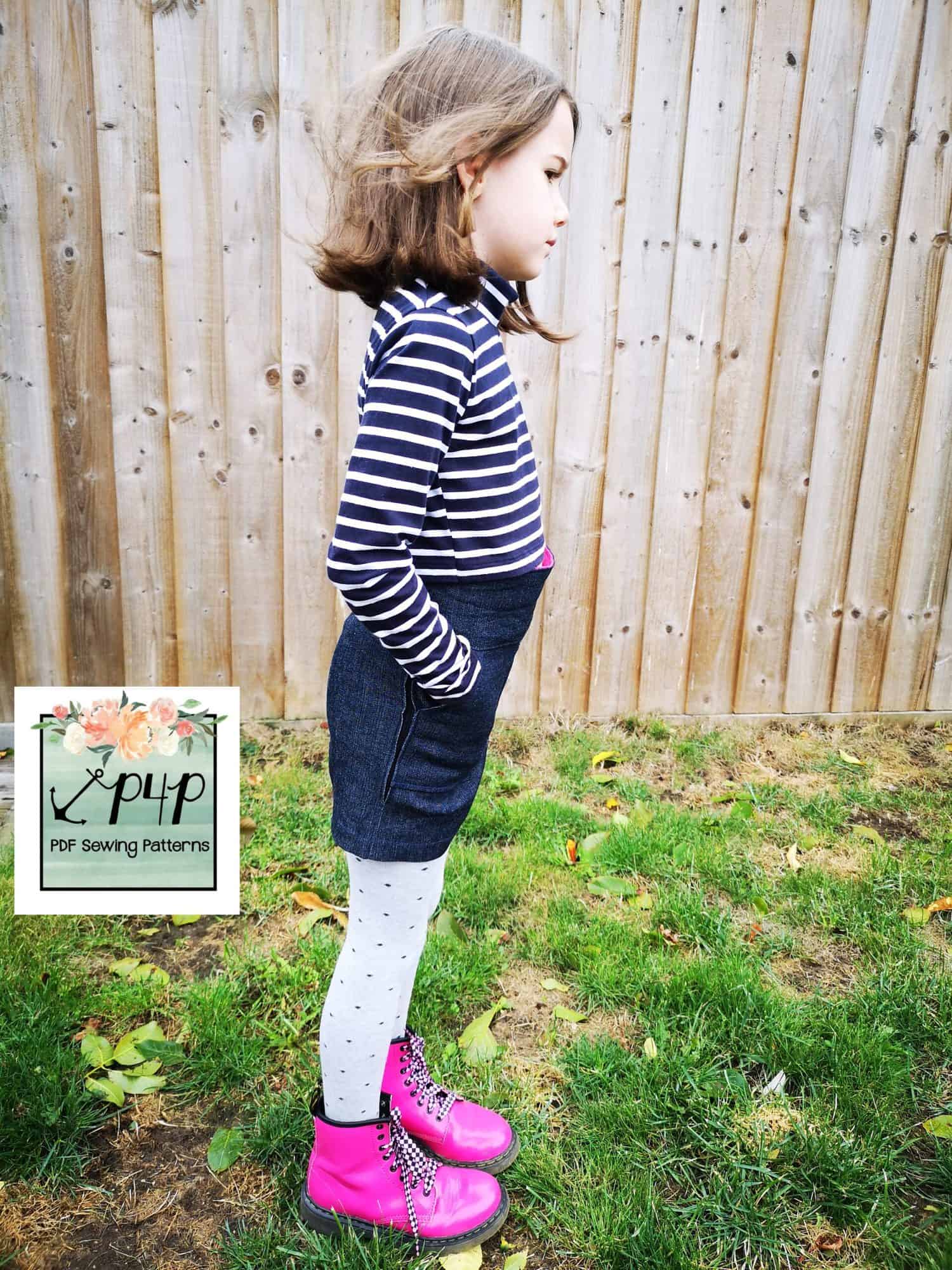
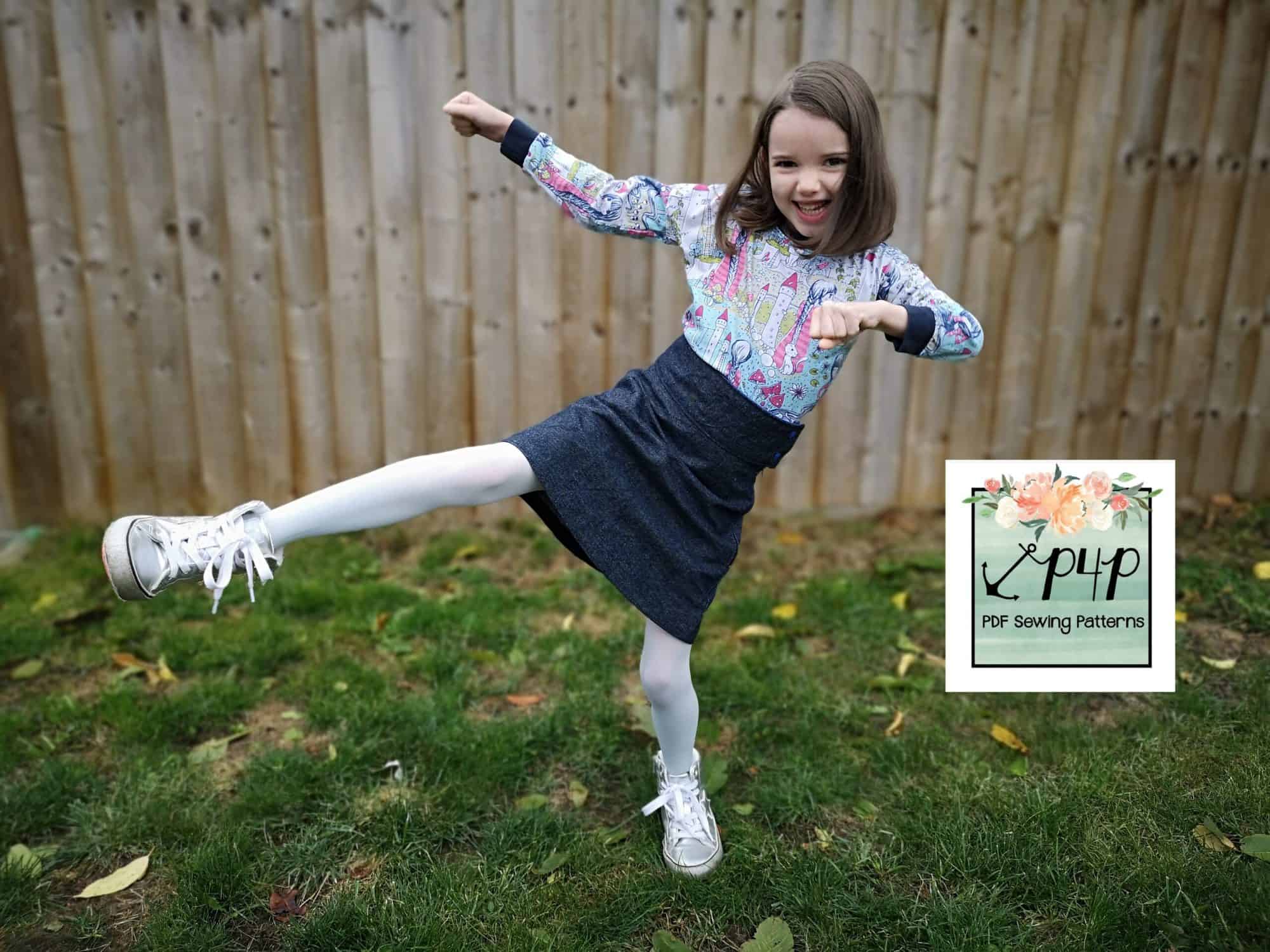
We style them with tights, Doc Martins and a crop length Hepburn. I loved it so much on the shorts I had to do it for the skirt too!  

Anyone else find that their child turns into a karate expert as soon as you turn on a camera?!

Obviously you can also just sew this up with the regular height of the original waistband too. The choice is all yours! 


Happy sewing! 


Dana x


Front zipper

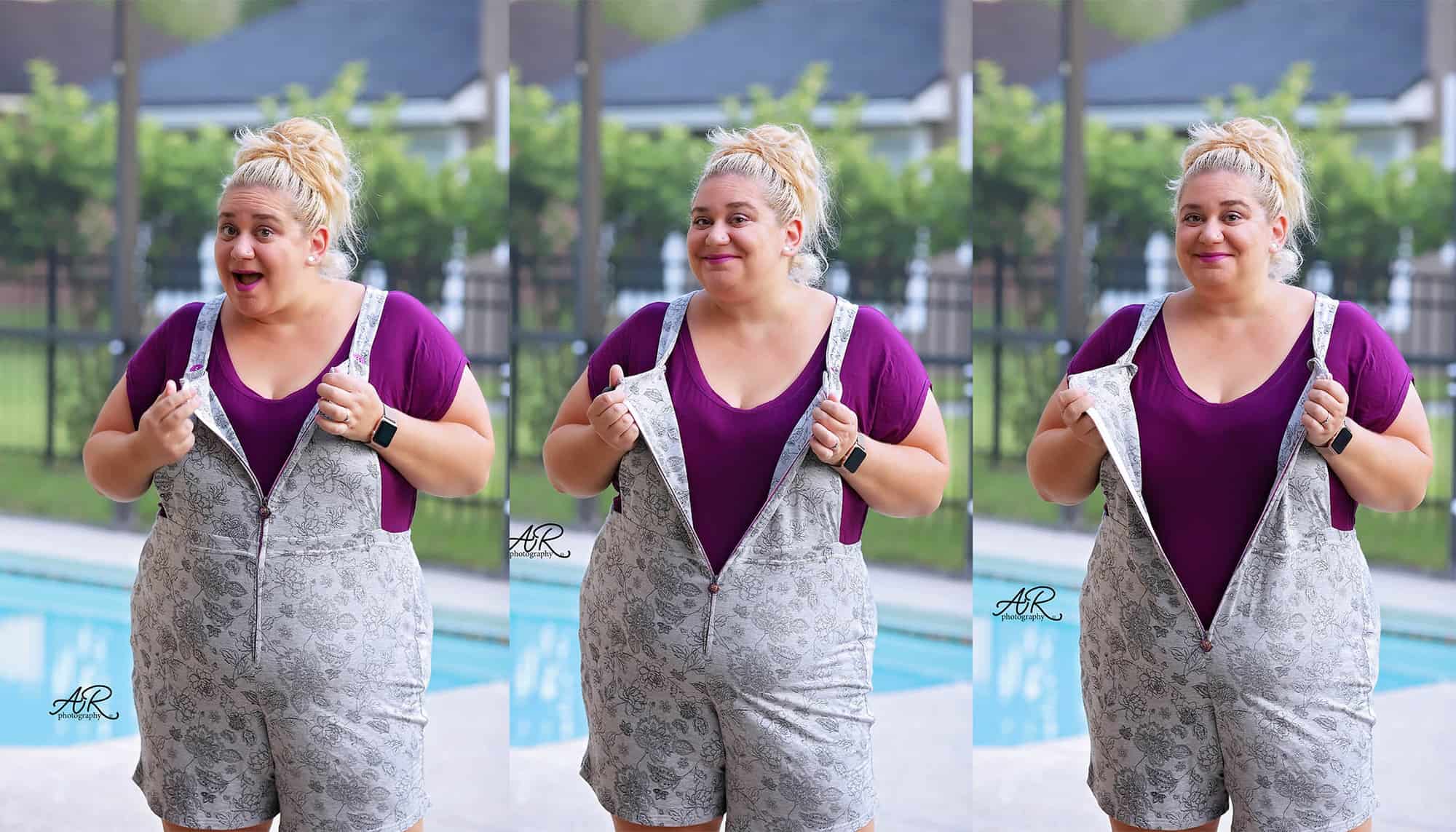
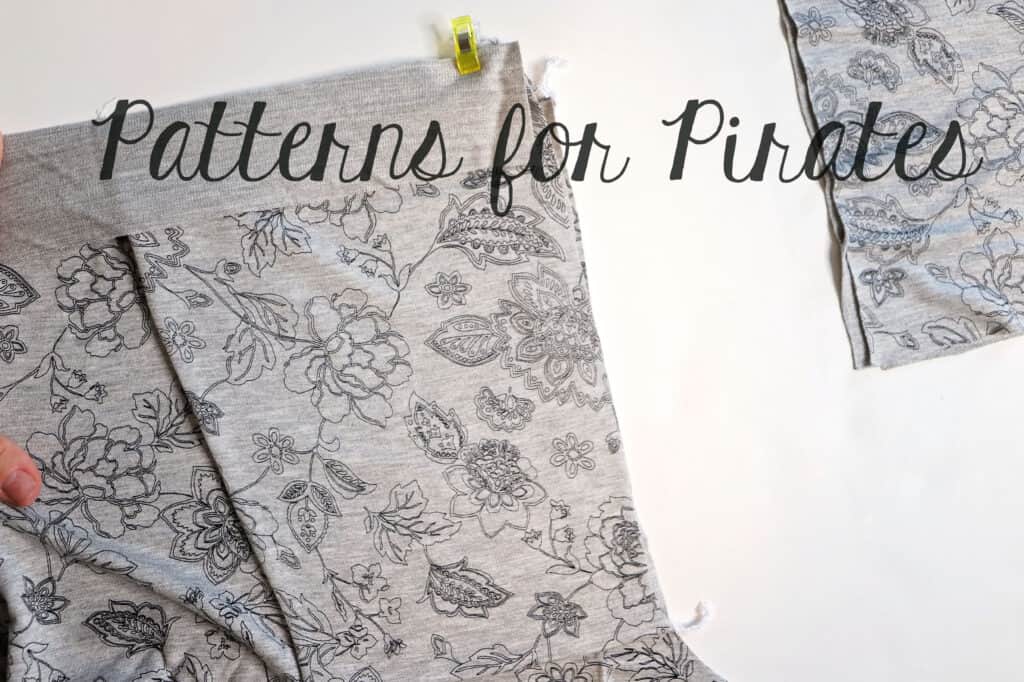
Up next we wanted to show you a different style jumper that can be achieved with the new Vintage pattern. Let’s add a zipper to the front instead of the side. This a s great opportunity to show off your favorite zippers and pulls. For my example I am using zipper by the yard with a fun rainbow finish zipper pull. I also went with a Doodles French Terry instead of stretch woven. Cut your pattern as instructed in the tutorial. You will make two changes. Remove the part of the waistband beyond the notch on both ends. Repeat for the waistband lining. The other modification would be for the bib. Cut two 2 mirror images instead of 1 set mirror pieces and the lining on fold.


After sewing the darts on the back pants pieces, sew the back crotch seam and the two side seams. The pants will not be sewn at the front crotch just yet.


Prepare the bib by sewing the left side main and lining piece right sides together along the top and slanted side raw edge. Repeat for the ride side bib. You will now have two bib piece that will have raw edges on the vertical center seam and bottom.


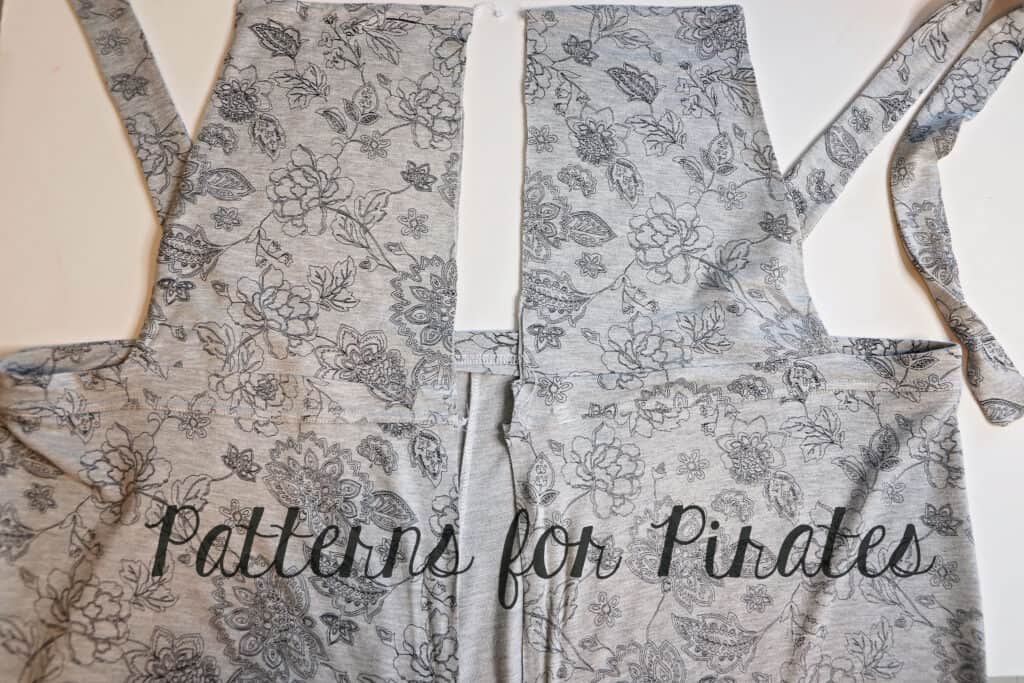
Attach the main print waistband to the pants right sides together by matching the center to the center back and the raw edged to the front raw front seam.


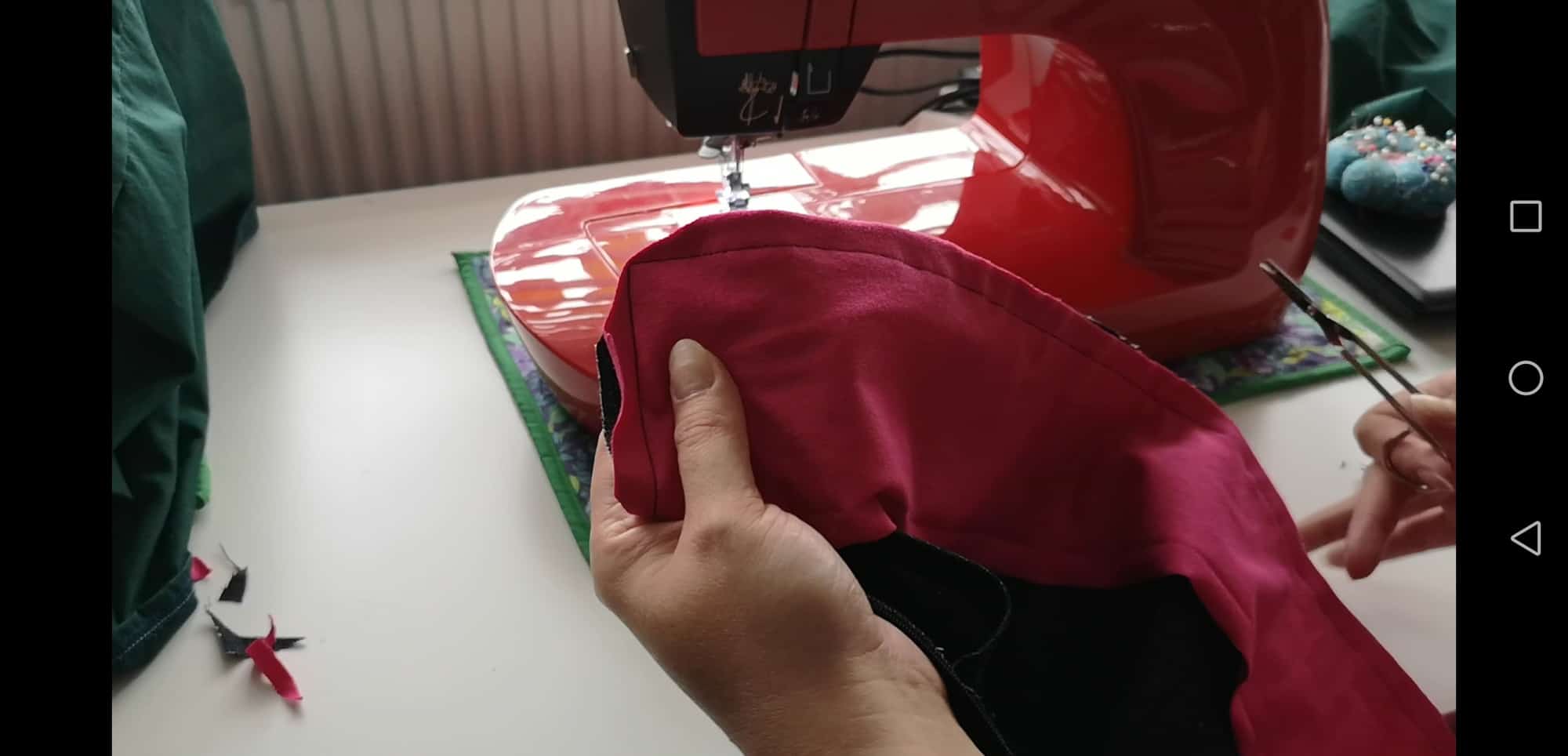
Pin the straps matching the strap placement notches. Place the bib on the top edge of the waistband, right sides together matching the raw edges. Repeat on the other side with the other half of the bib. Place the lining on top, right side down, sandwiching the bib in between the main and lining waistband. Stitch in place.


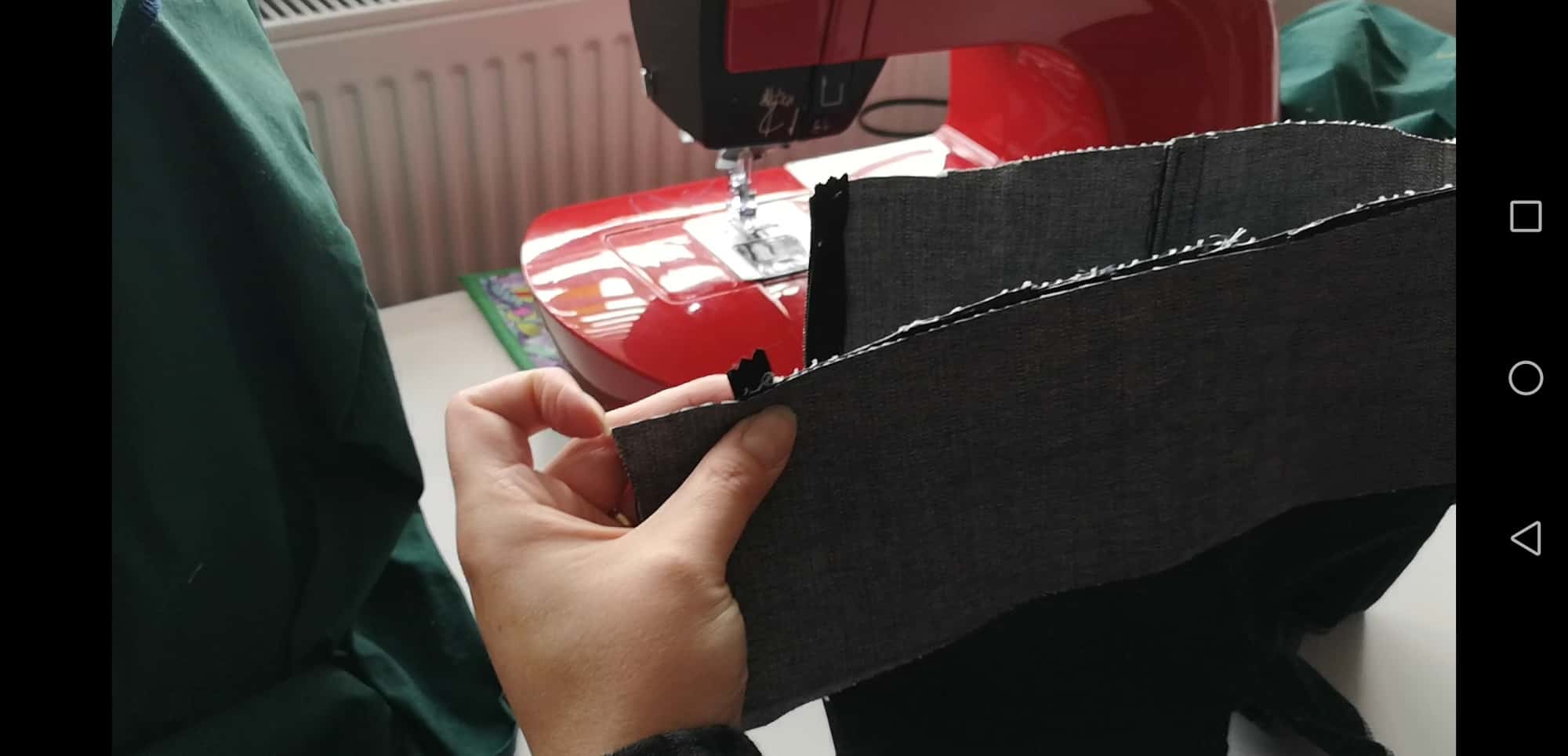
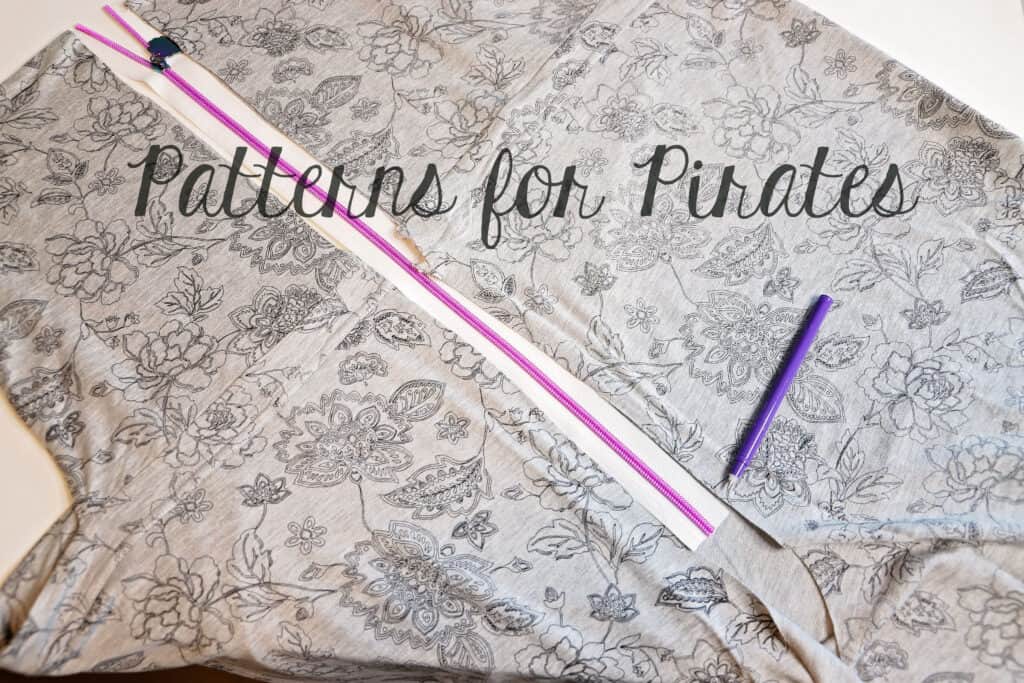
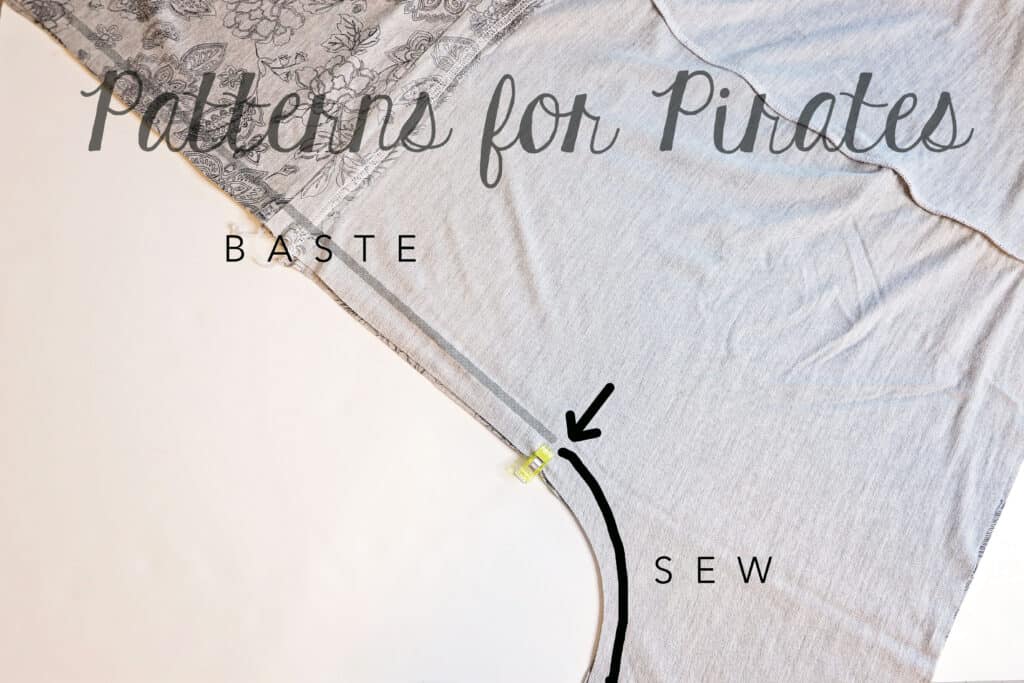
Mark the place of the zipper stop on the wrong sides of the fabric. Place the front of the jumper right sides together matching the front raw edge. Baste in place from the top to the marked point and sew in place down from that point along the front crotch seam. Attach the zipper using the same technique as in the Vintage Jumper tutorial.


Finish your jumper by attaching the straps to the front and hemming. All done! I can’t wait to see your take on this hack.


….

Overall buckles

Love the Vintage Jumper, but you’re terrified of button holes? Never fear! Buckles are here!

Adding buckles as a button replacement is an easy and super cute hack… no extra sewing involved!

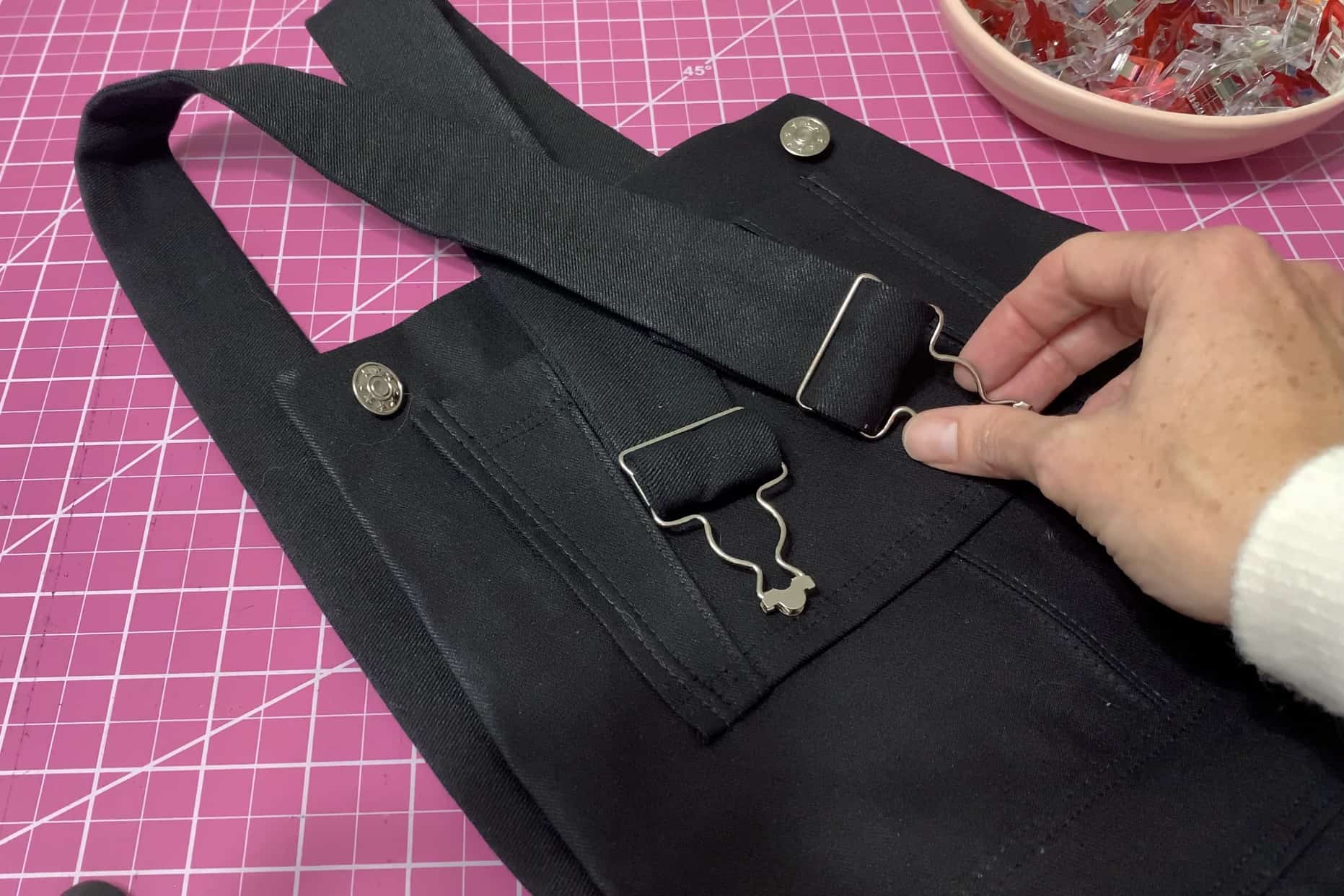
For the Vintage Jumper, you’ll need 1 ¼” buckles. I ordered mine from WAWAK and they came within 2 days, but you can also order from Amazon or pick them up in your local fabric store.

I’ve put together a video tutorial, but if you prefer written instructions, just scroll a bit further!

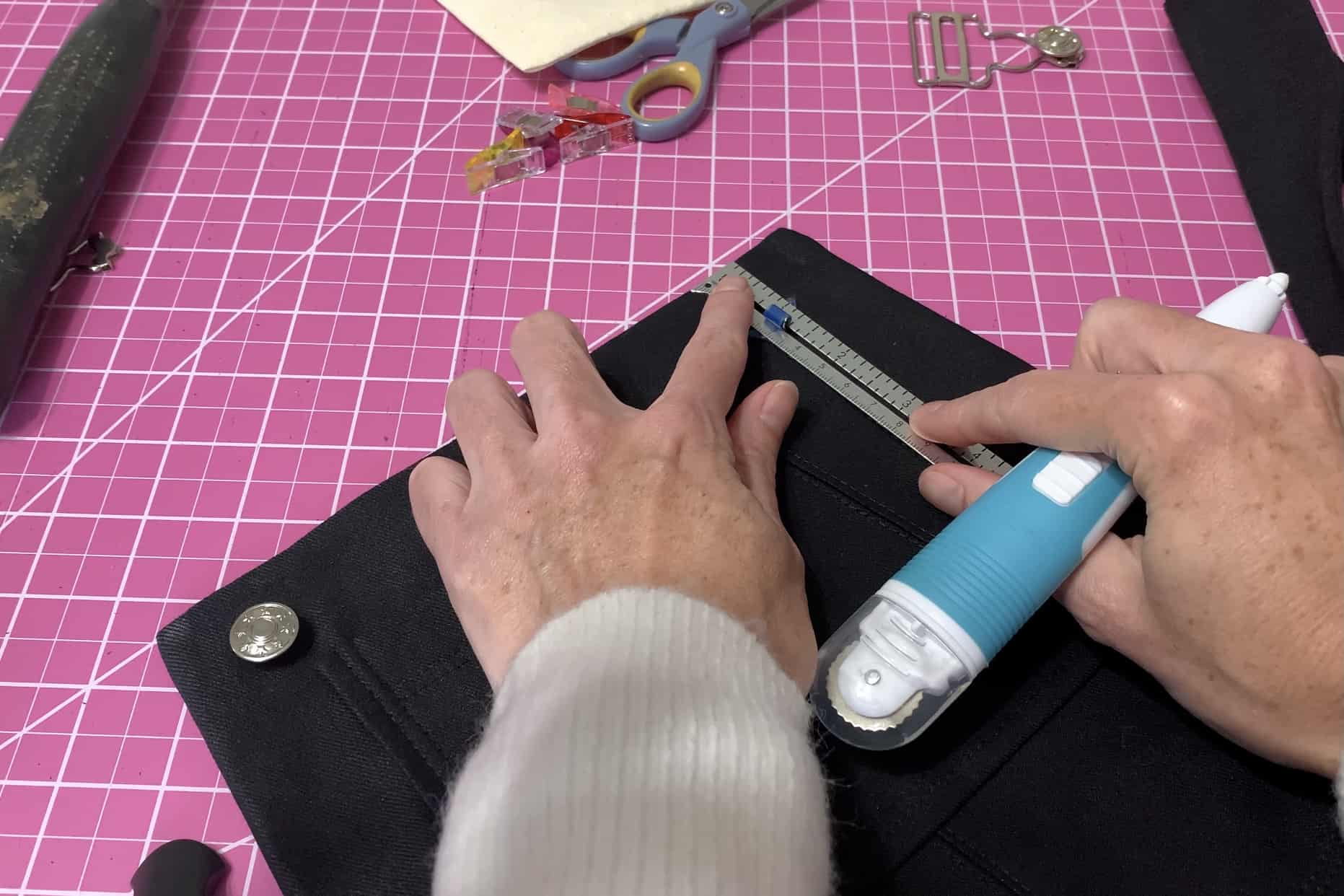
Mark your button placement on the bib with tailor’s chalk, 1” from the top and side edge of the bib.

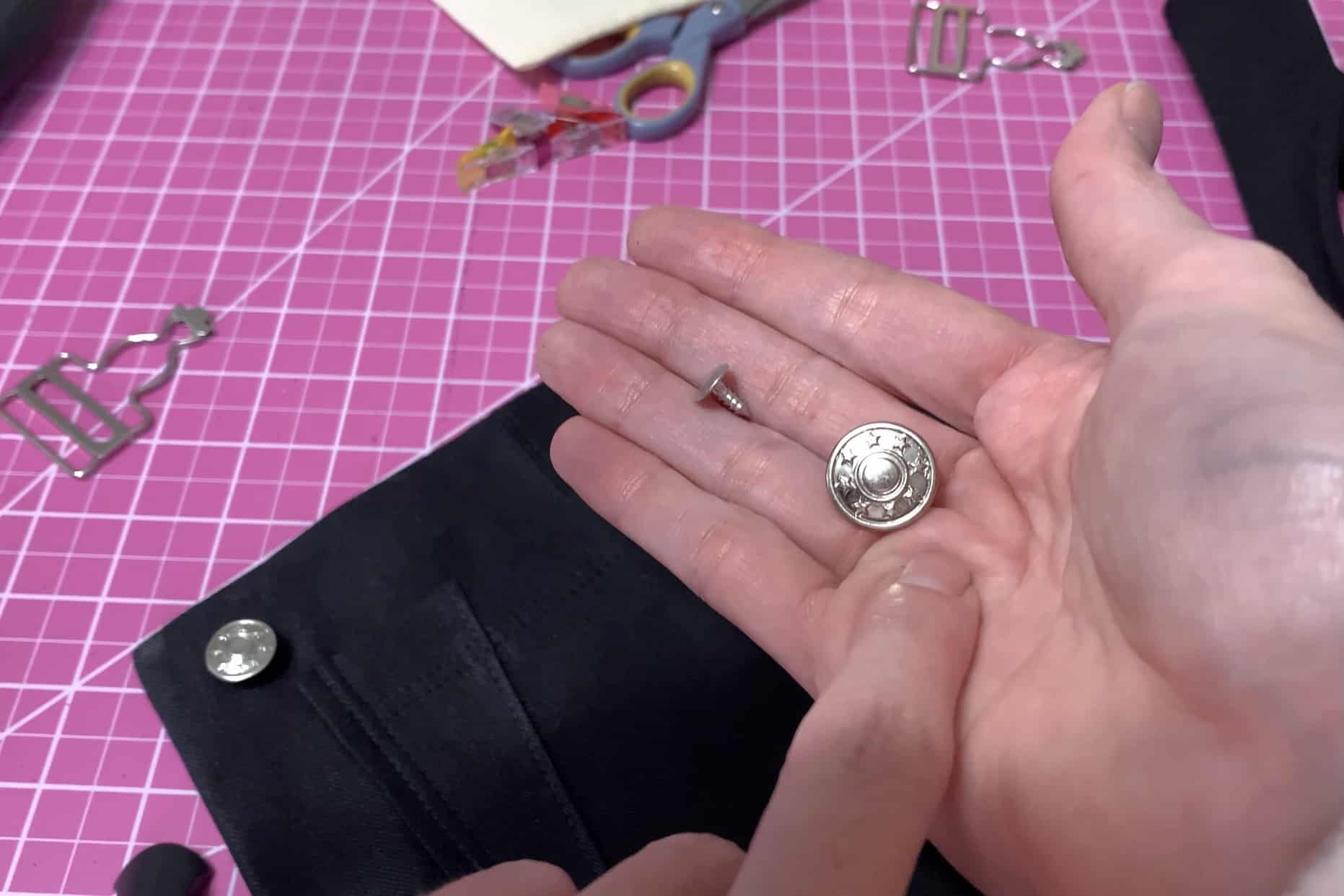
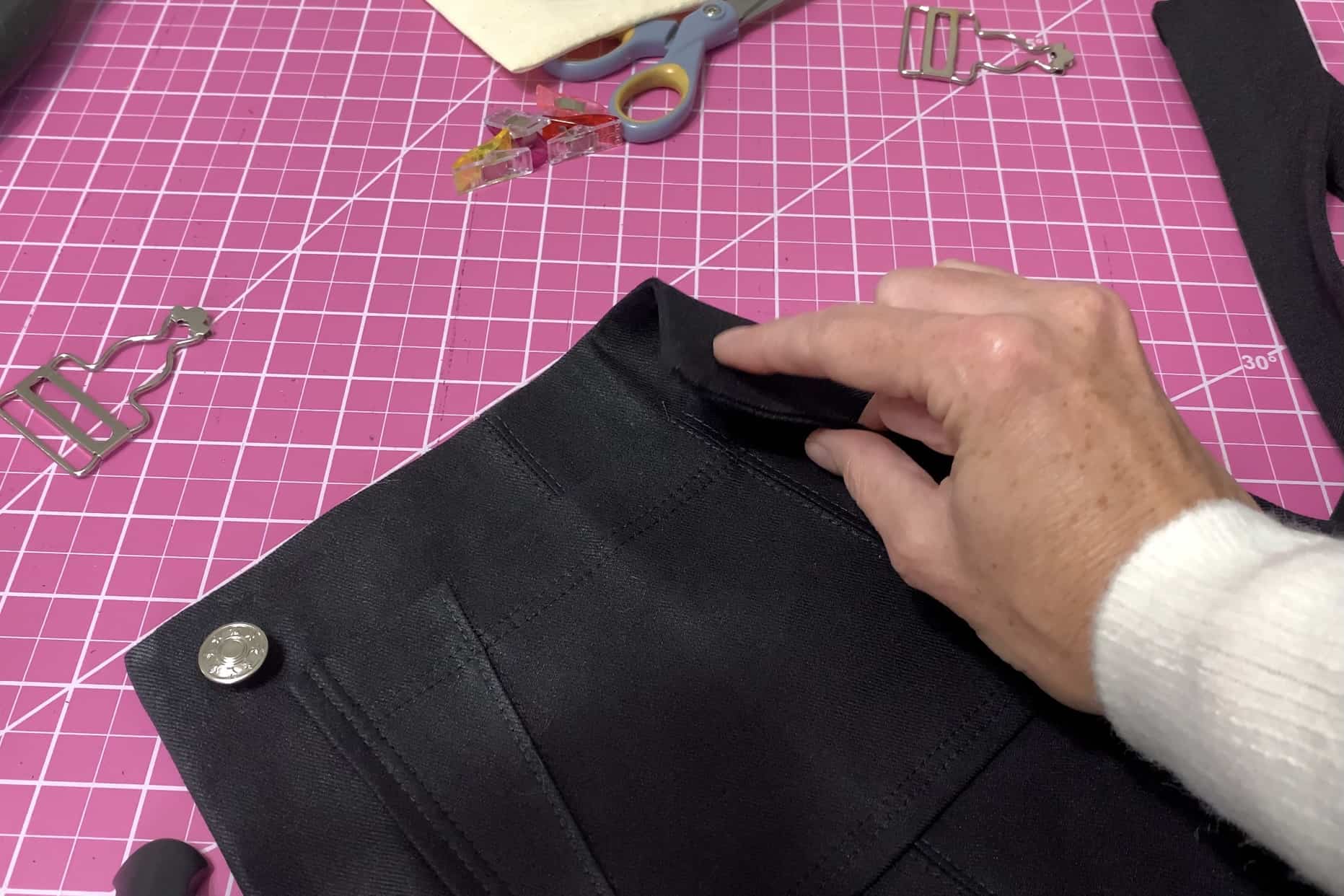
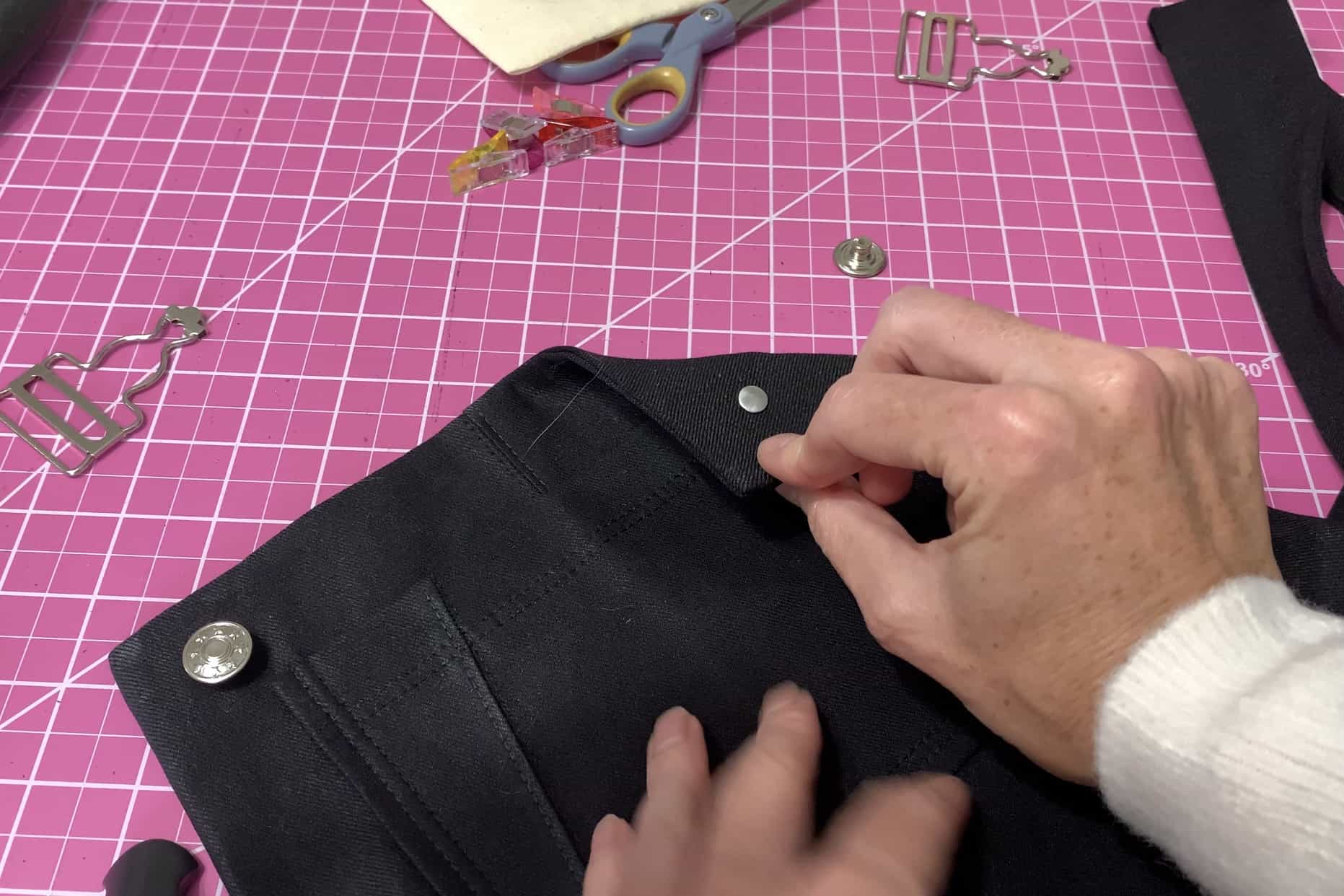
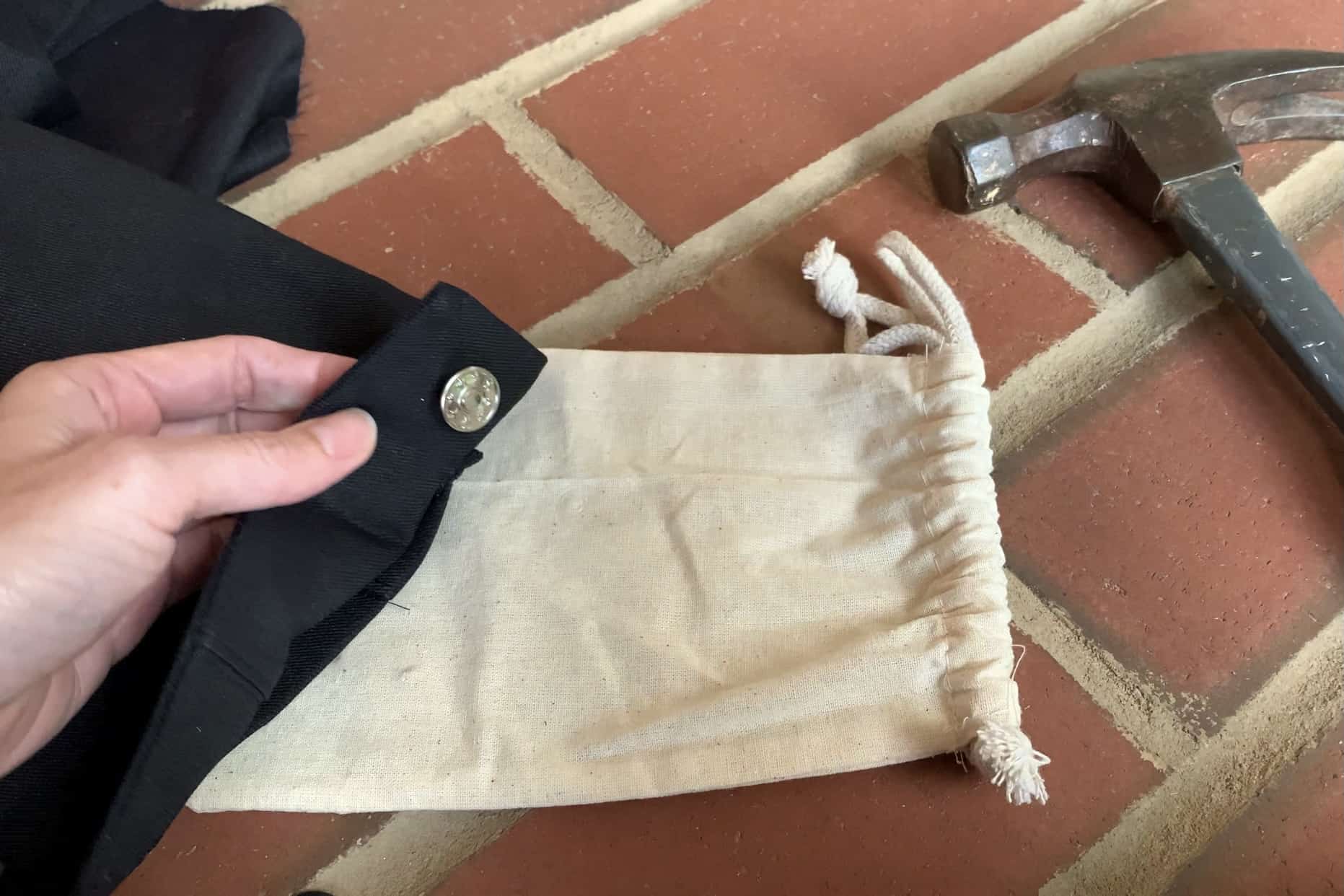
Take your button post and push it through the backside of your bib, at your chalk mark, going through all layers of your fabric.

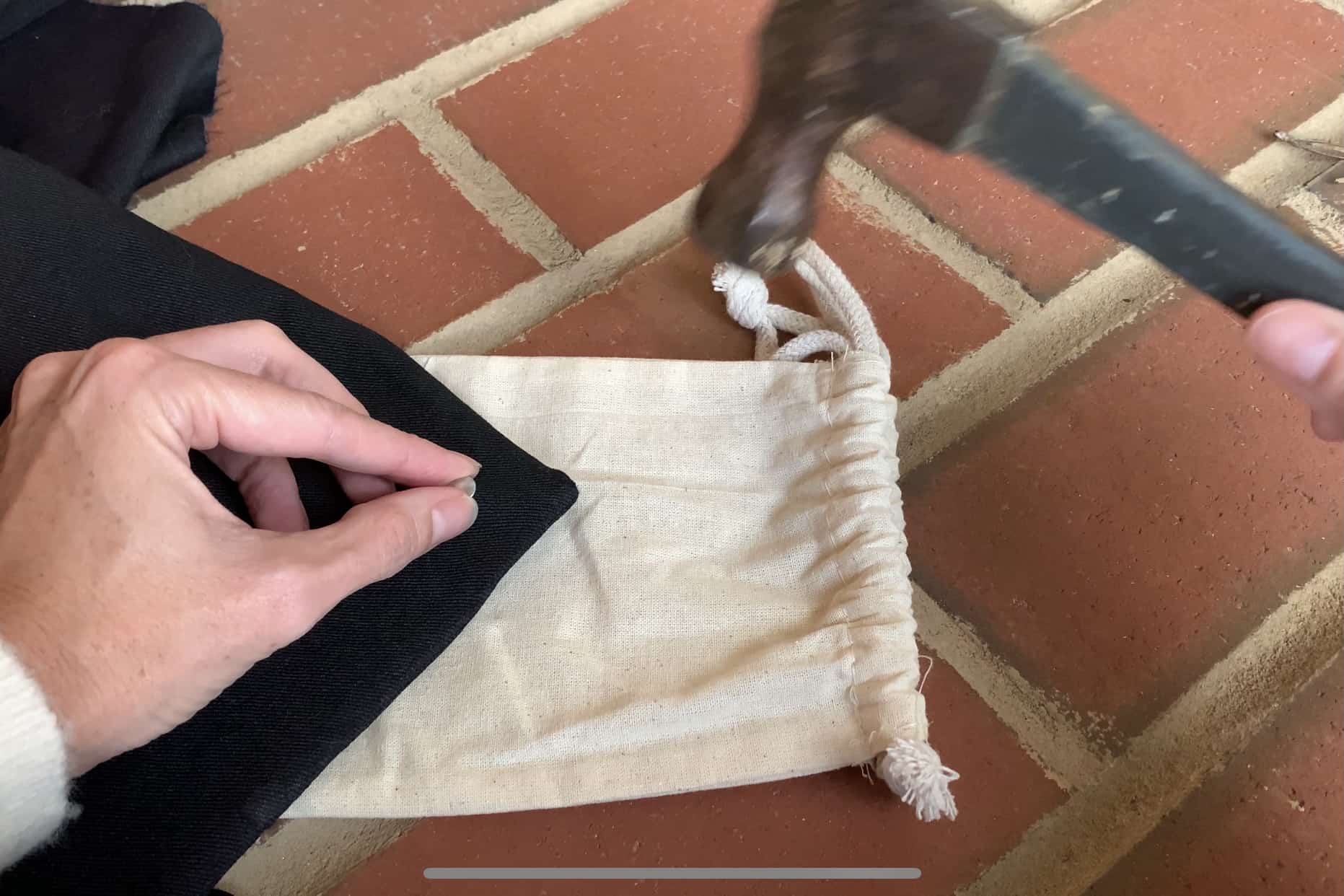
Protecting the front side of your button (as I’ve done here with a simple cloth bag), hammer the button post into the button.

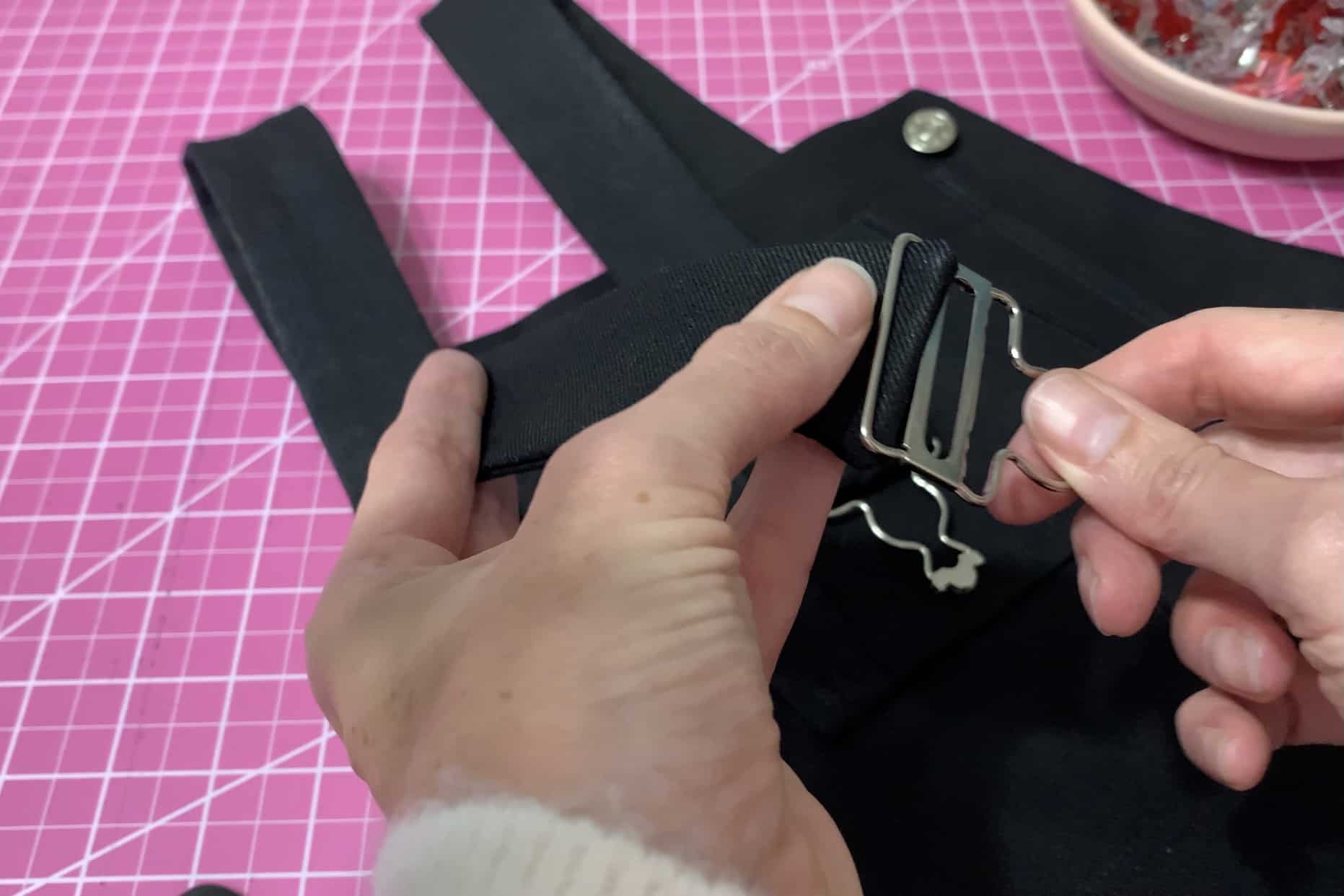
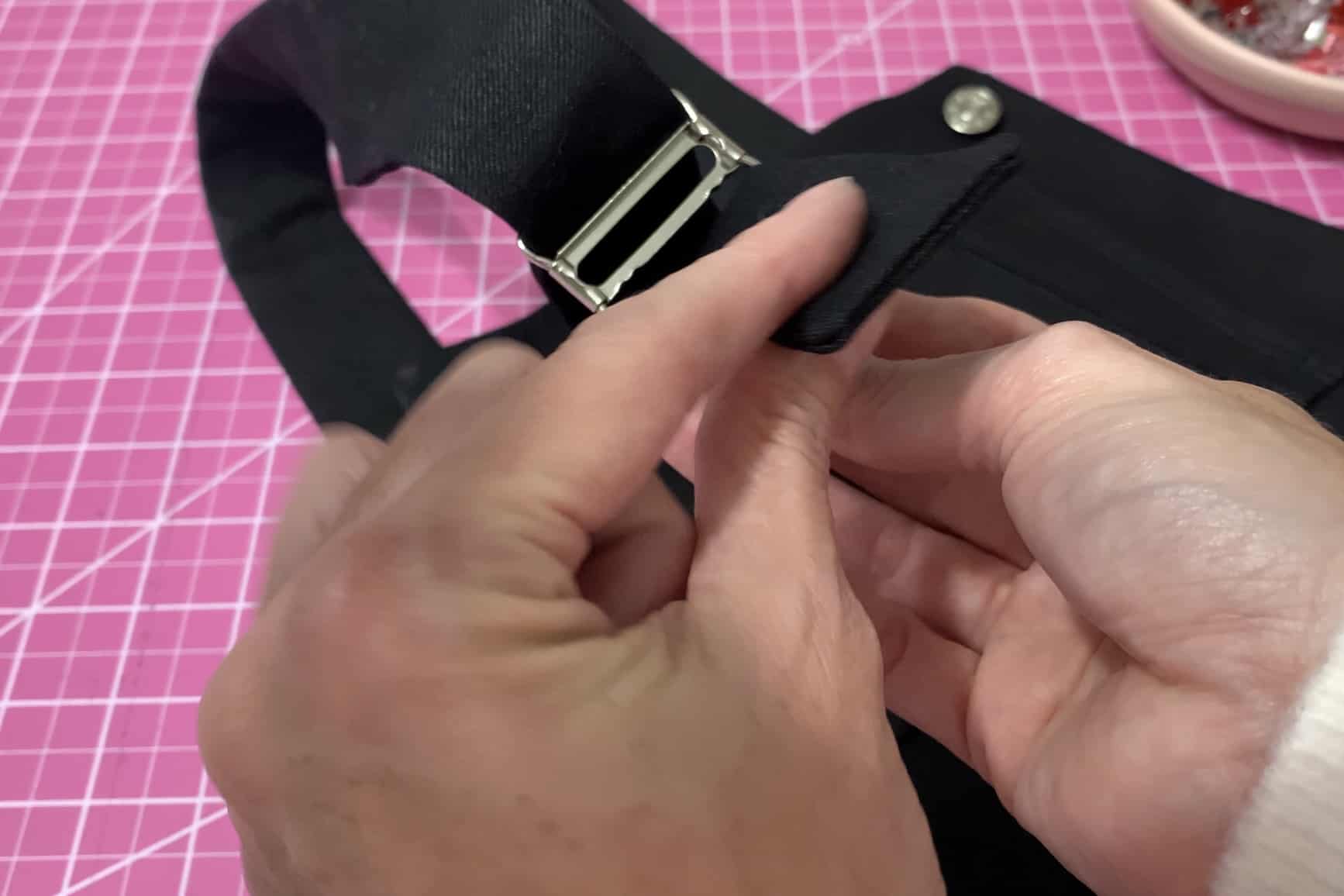
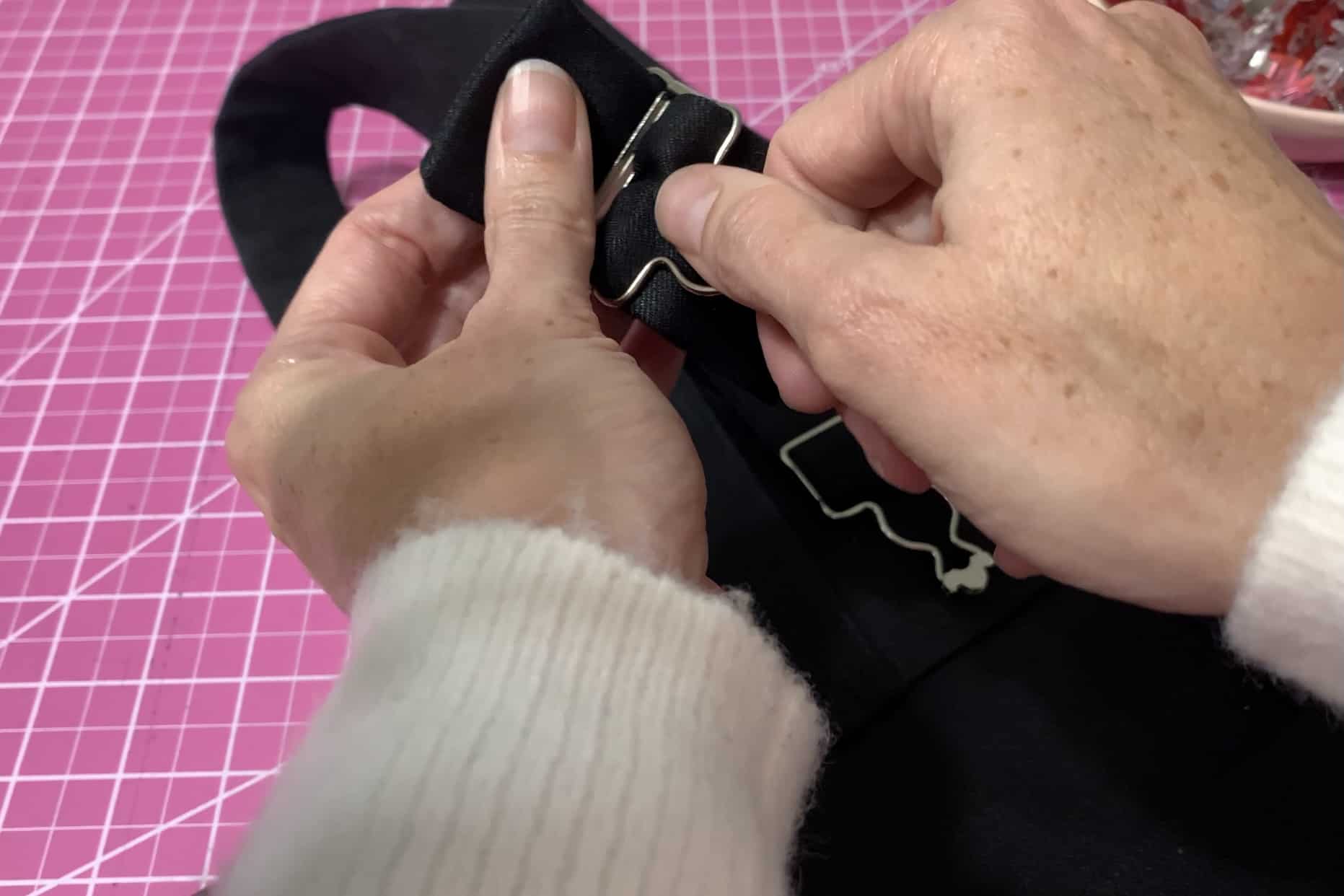
Thread your straps through the buckles, starting with the top…

Running through the bottom…

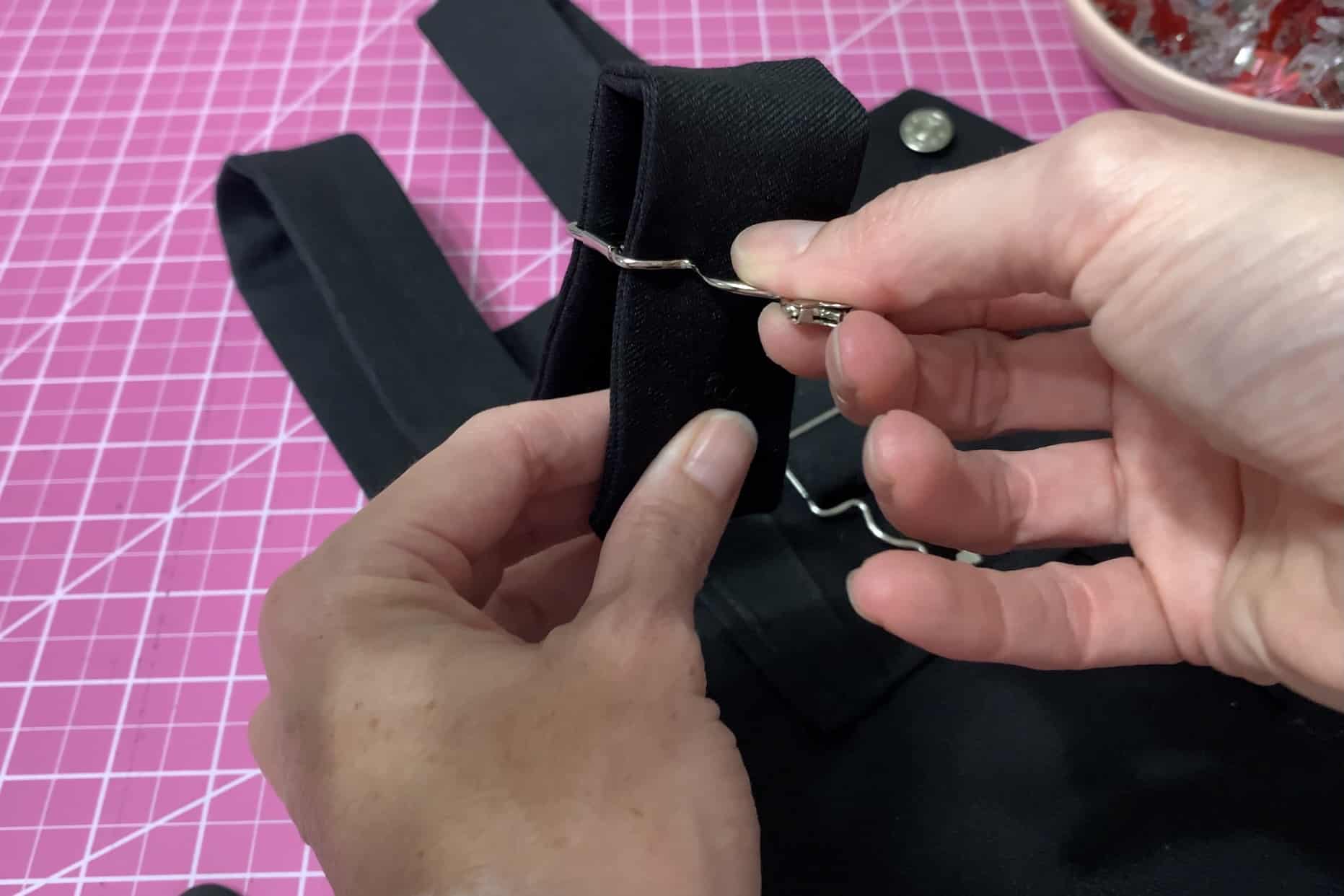
Back through the middle…

And behind the front of the strap, back through the top loop.

Give yourself plenty of play in your straps to make fit adjustments

5.     Adjust the straps to your preference and you’re done!

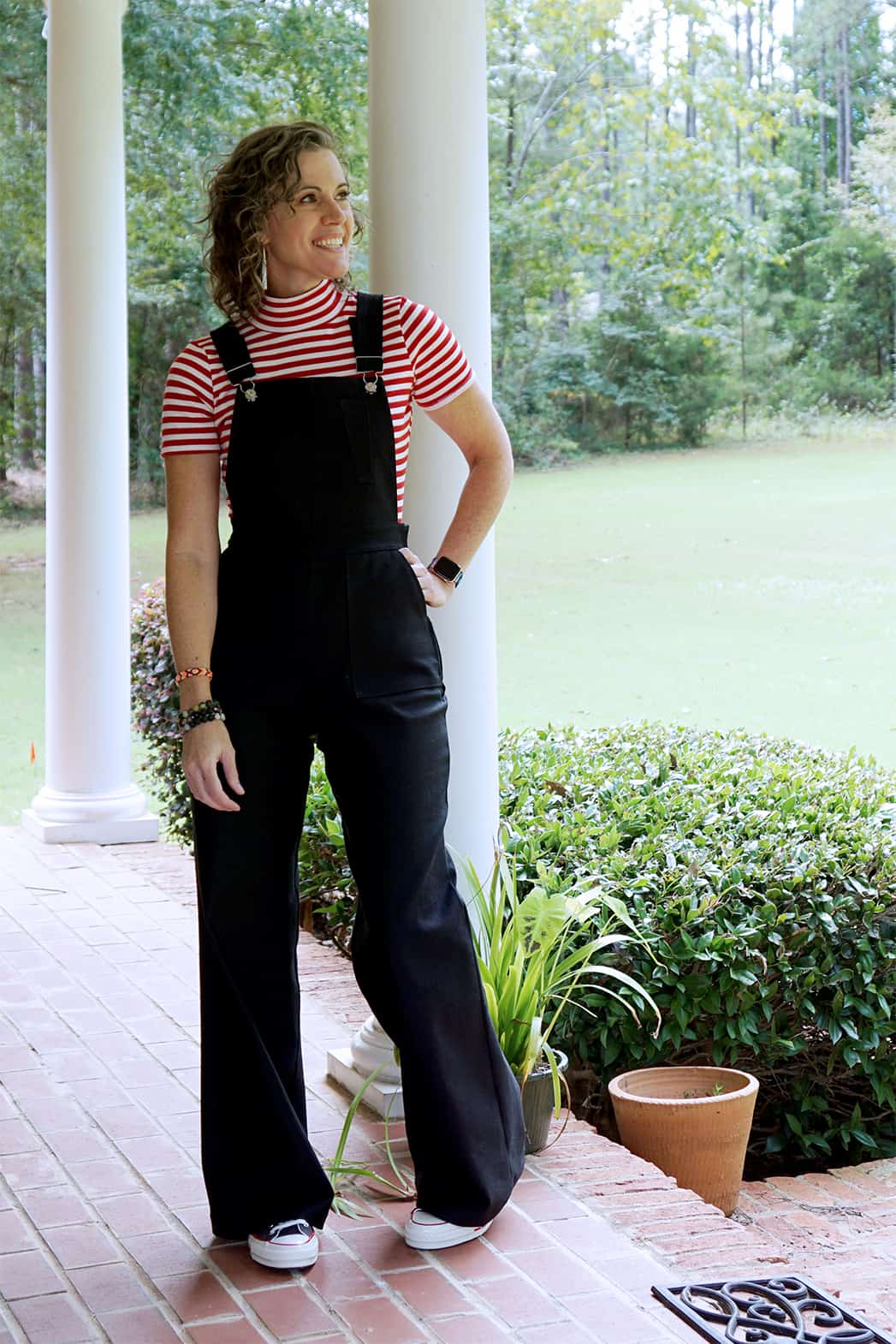
I have always loved overalls! I am so glad to have this updated pair in my wardrobe. As with all Patterns for Pirates makes, you can’t stop with one. I already have the fabric ready to make another pair soon.

I hope you enjoy your new jumper!!

Rachel

….
Skip the Zip

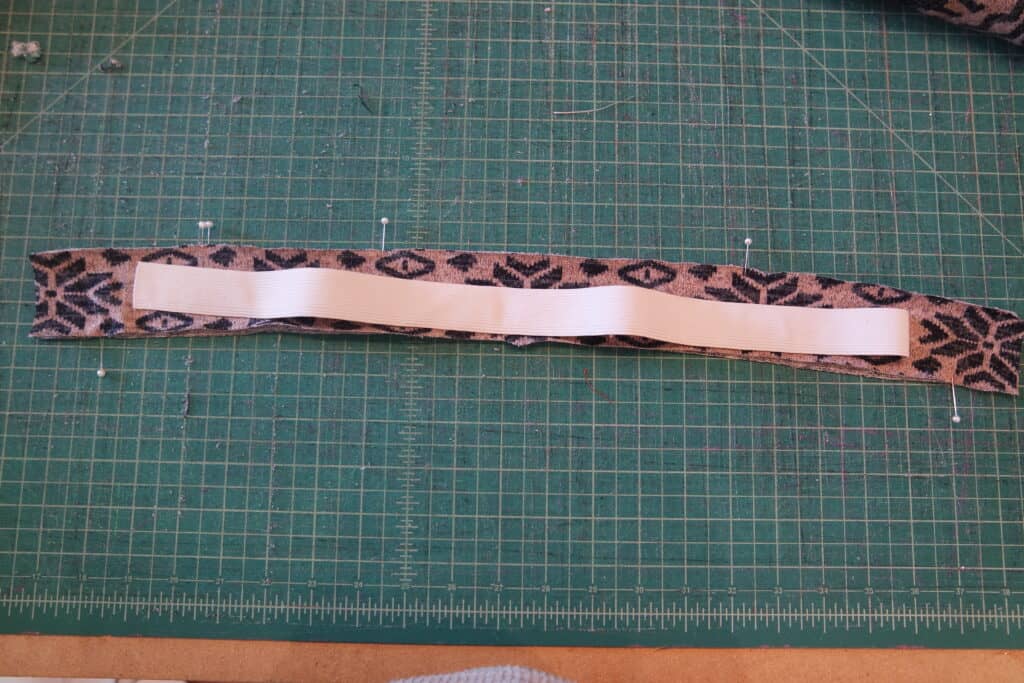
If you’d rather skip the zip you can choose a fabric with high stretch and recovery and slip it on/off. It’s a very simple modification, just make sure your fabric is stretchy enough to slip on and off with the snug waistband at natural waist. You will want a fabric that is more stable and can “hold” that waistband shape nicely. Or you can add some 1″ elastic into the waistband to help keep the shape.

Cut out all your pieces the same, except the waistband. You will need to trim off the extra 1″ on each end since we will not have them overlapping for a button. If you’re adding elastic I cut mine just slightly shorter then my new waistband piece so it would be snug to her waist.

Instead of sewing your zip into your side seam you’ll just stitch it up. Stitch your waistband pieces into a circle. If you are adding elastic sew it into a circle as well.

You will follow the same steps as the tutorial attaching the main waistband piece, sandwiching the straps and bib between the main and lining waistband, and top-stitching band. You will just be sewing in a complete circle rather then having the ends that overlap for a button.

All done, now you can just slip it on/off with no zip!

….

Zipper Guard

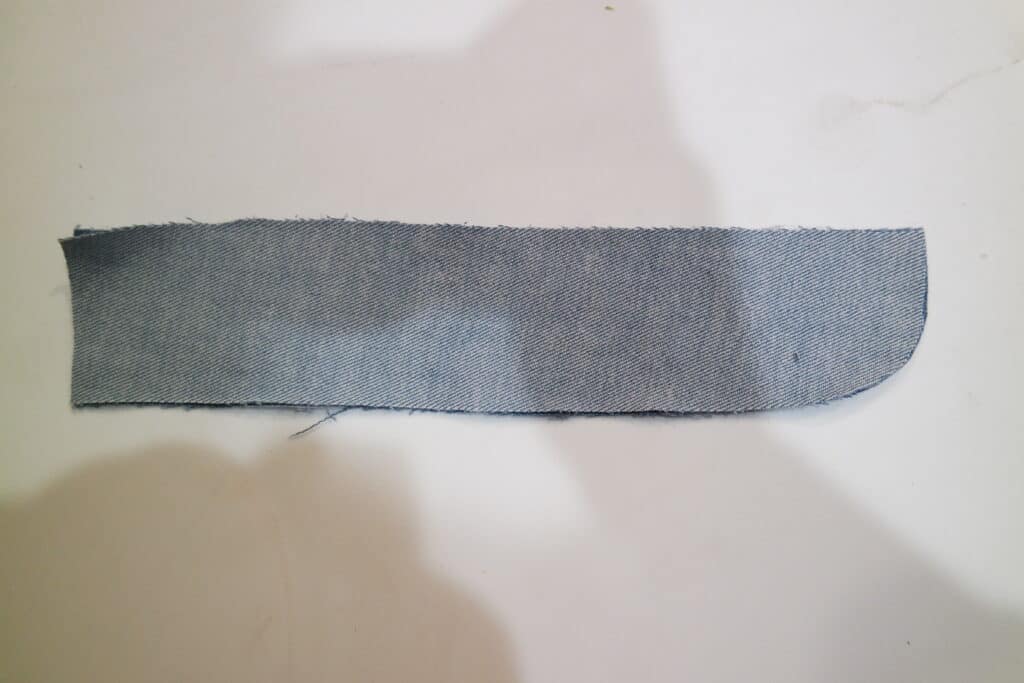
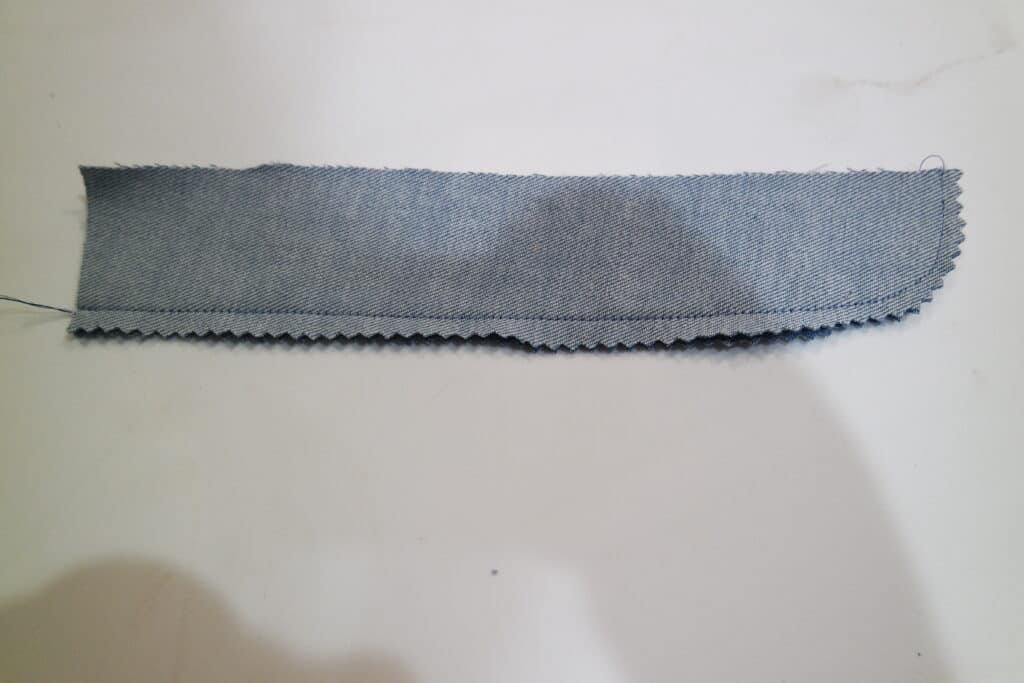
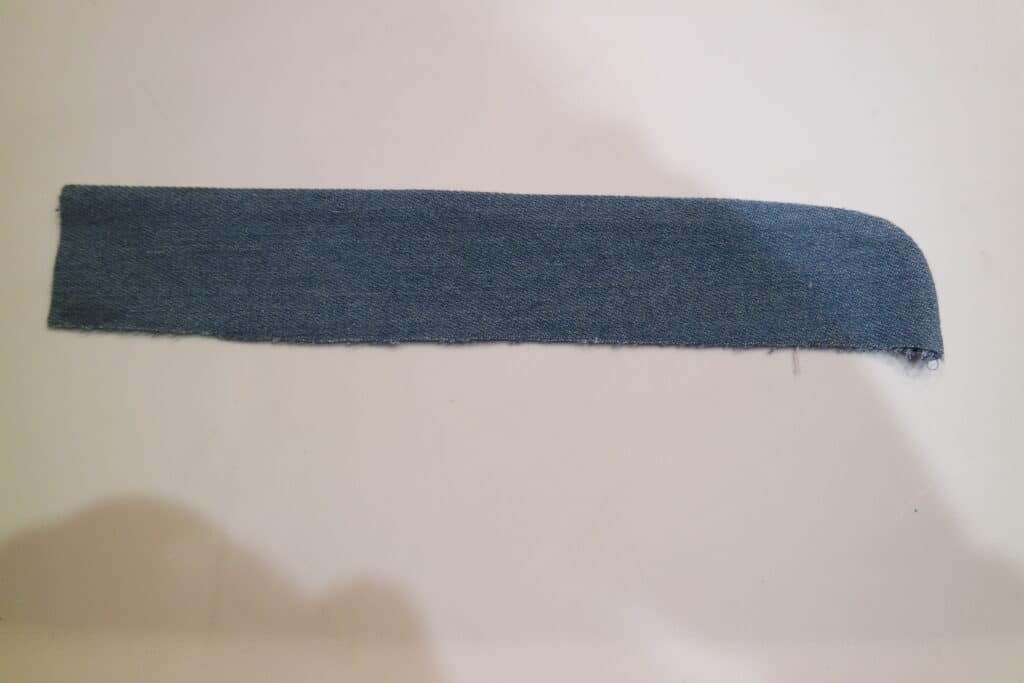
If the feeling of the zipper on your skin bothers you- you can add a simple zipper guard quickly and easily. You will cut out 2 rectangles (you can curve the bottom edge if you’d like I did or leave it a rectangle) a little longer (1-2″) then your zipper and about 2″ wide.

Stitch your pieces right sides together along one long and short edge like a L (J if you curved your corner like me) shape. Trim seam allowance and flip right sides out. Press and stitch.

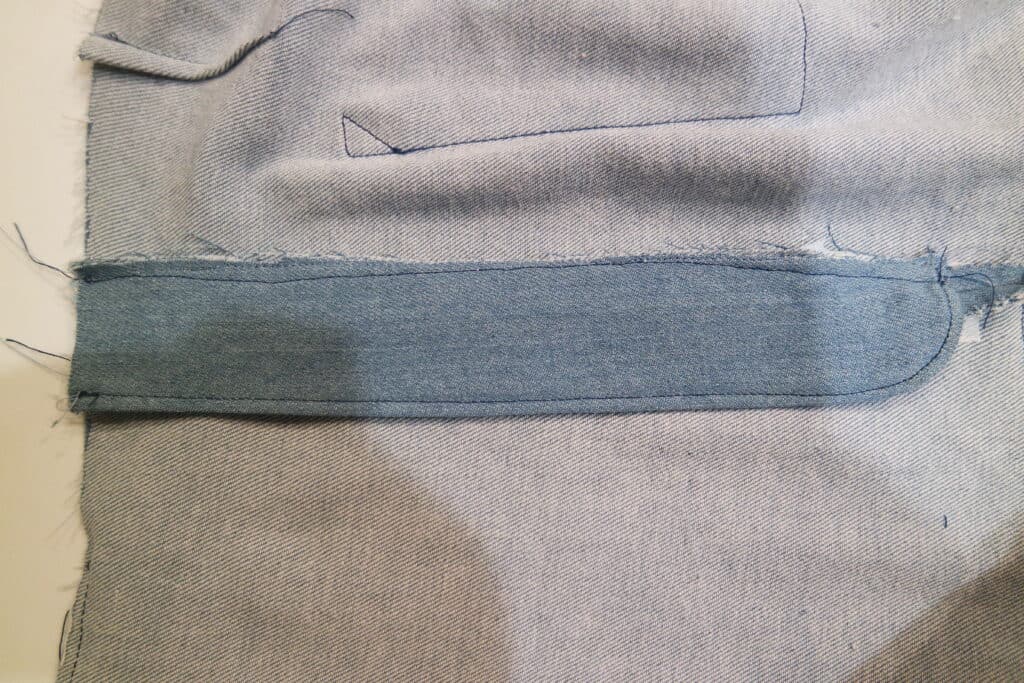
Place your zipper guard along the side seam with zipper with the raw edges aligned to the seam allowance of the front pant/skirt. Stitch guard to seam allowance (do not stitch through pant/skirt).

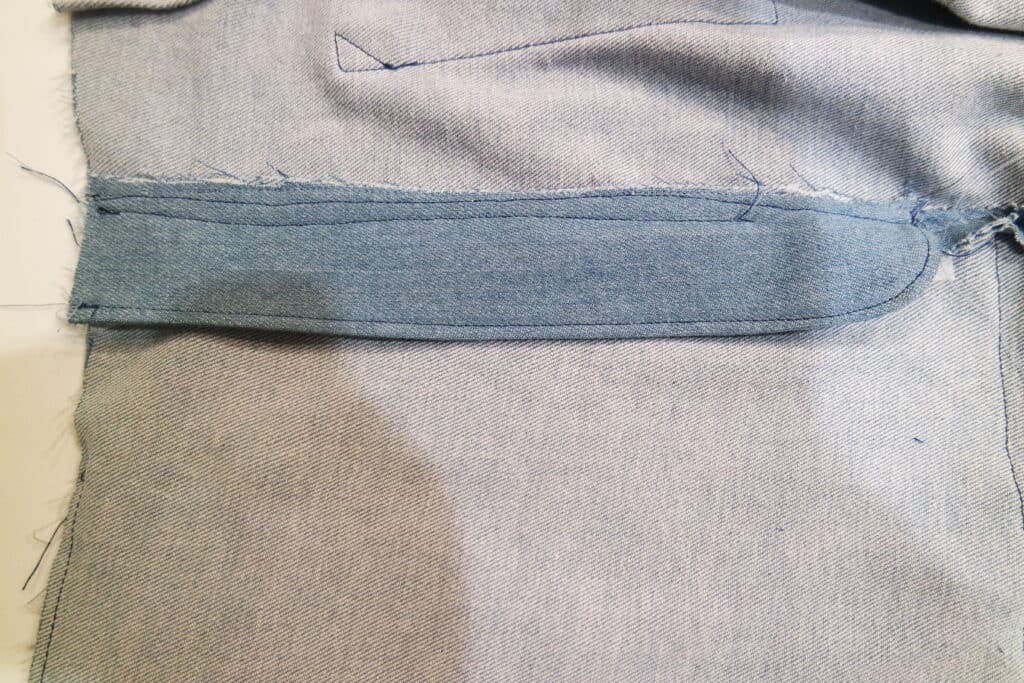
Pin in place from front. Stitch in the ditch along your zipper seam on the front pant/skirt through the zipper guard.

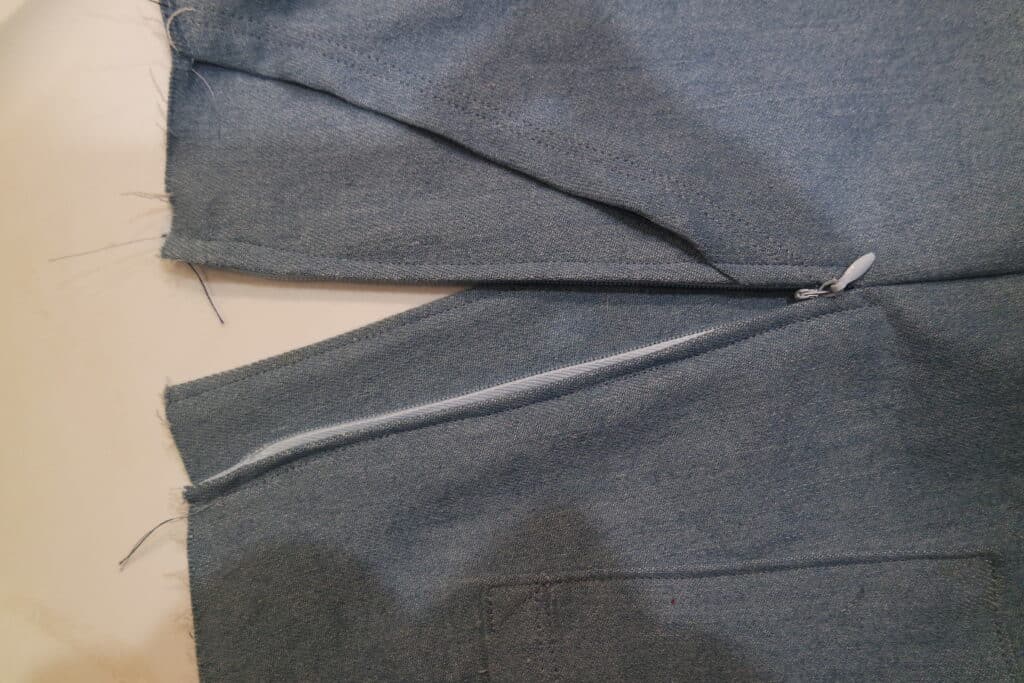
You can also continue to stitch in the ditch across the bottom and up just a little to help keep the guard in place when taking on/off. This is what it will look like after with the zipper guard keeping the zip from touching your skin:

….

Add some Ears

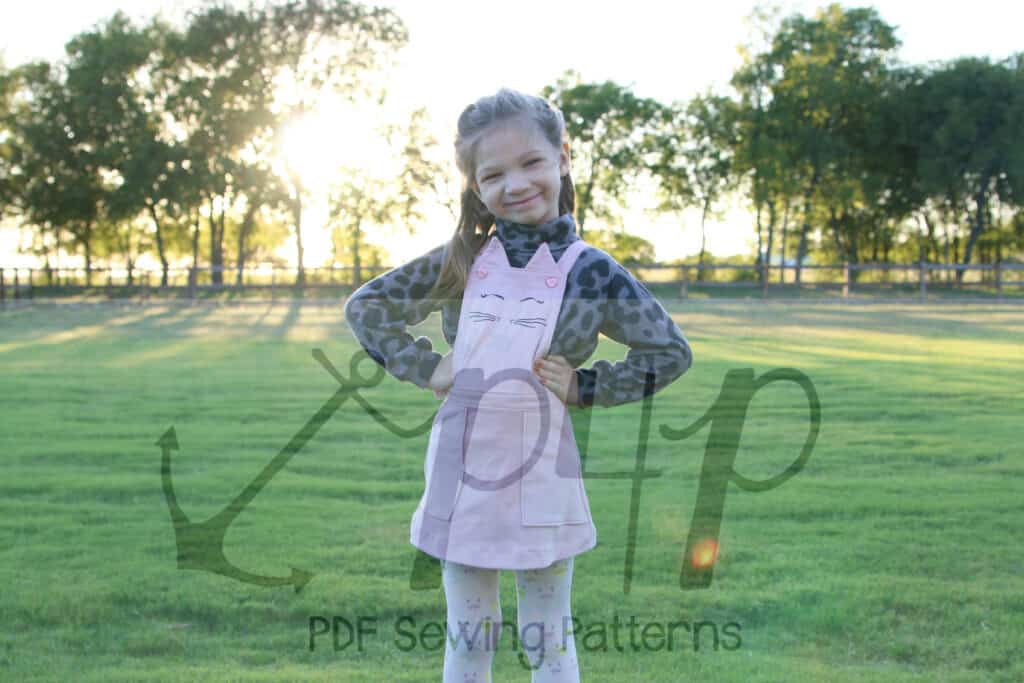
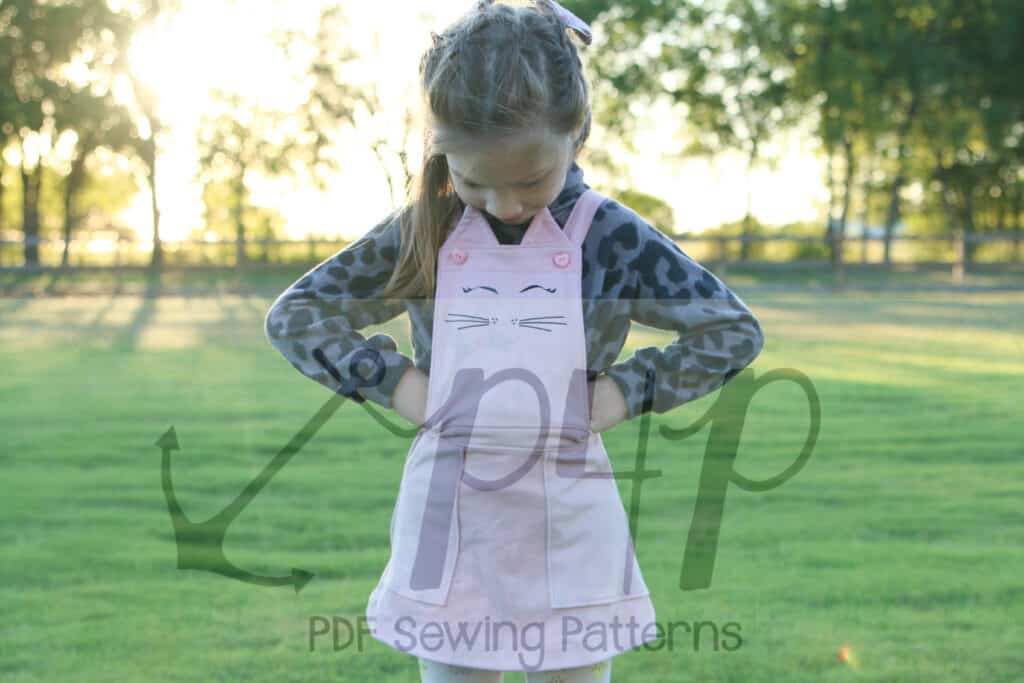
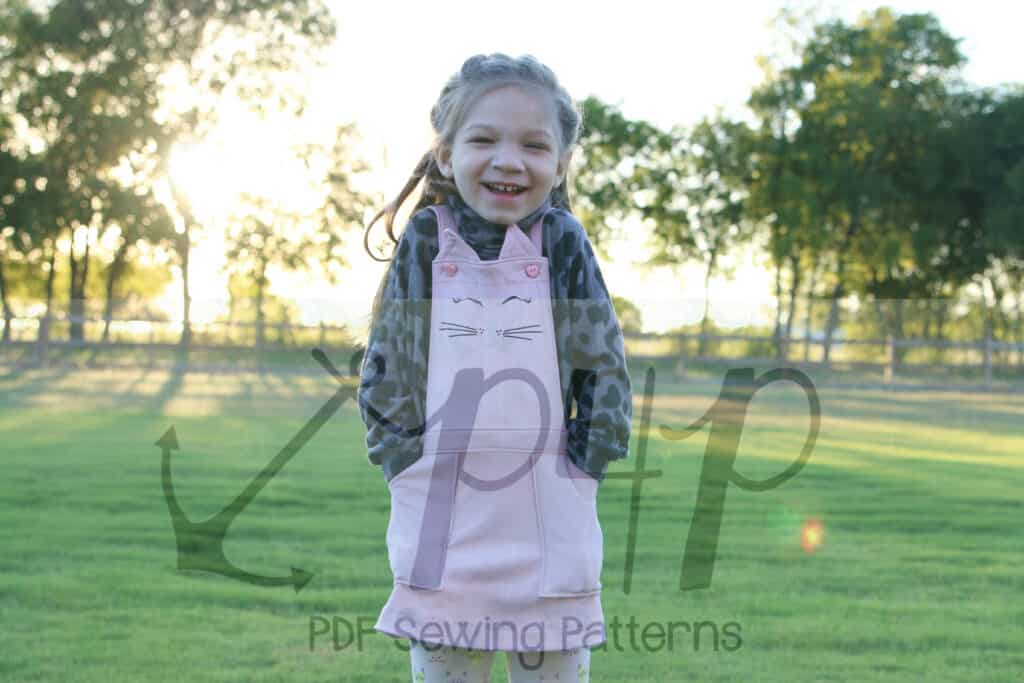
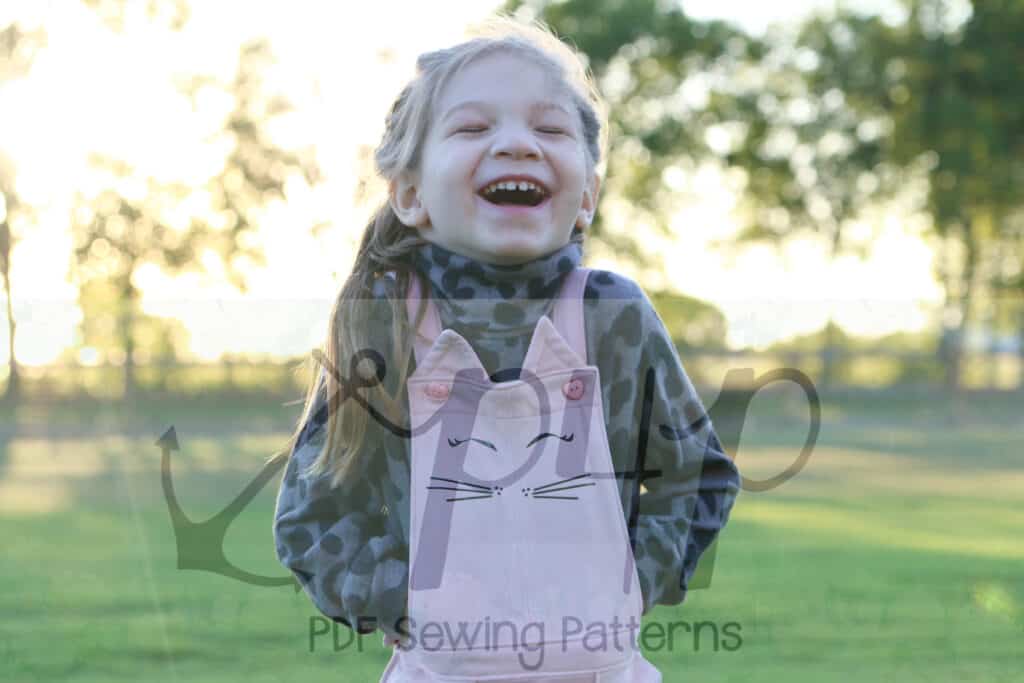
Adding a little face and ears is always a way to make my daughter super happy with something I sew her. She requested a kitty for this one after seeing one similar at a store. It was such an easy little modification. I simple free-handed the ears… but we do have some ears in the Oversized Sweater-Youth pattern and I used the faces from our free Animal Faces for our Jolly Roger Raglan. I only freehanded the ears to make sure they fit perfectly and…. well… I didn’t want to print anything 😉

Stitch the ears up and sandwich them between the main and lining bib. Ta-da… that’s it! So cute and simple!

What an amazing line up! We look forward to seeing  your own “”hacked” Vintage Jumper  creations on Facebook and Insta.

Filed Under: Frequently Asked Questions, Pattern Hacks, Pattern Release Leave a Comment

New Pattern Releases :: Vintage Jumper

October 1, 2020

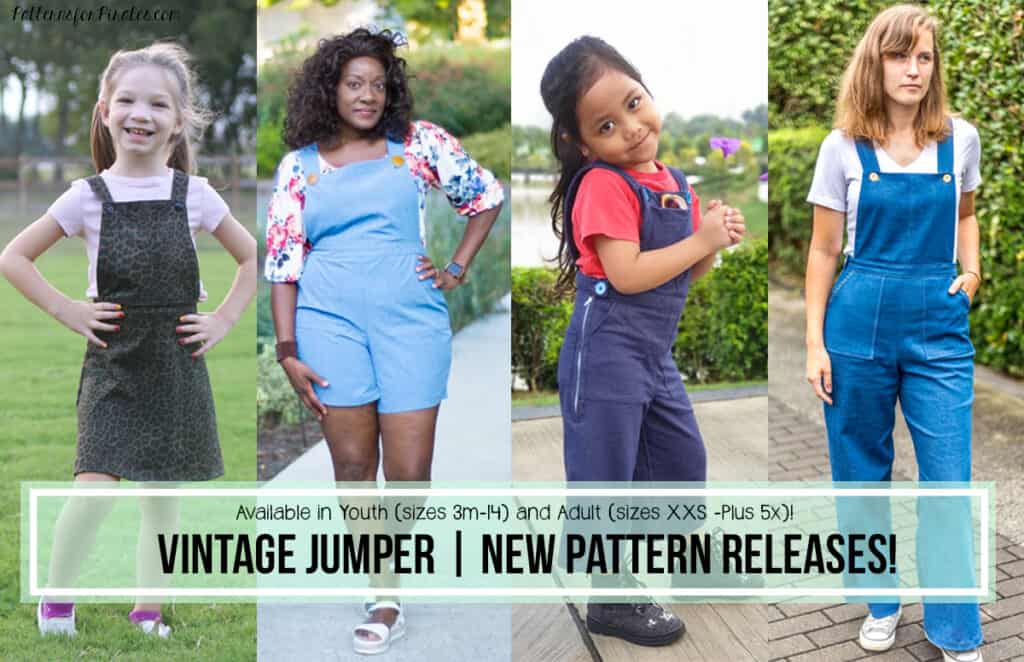
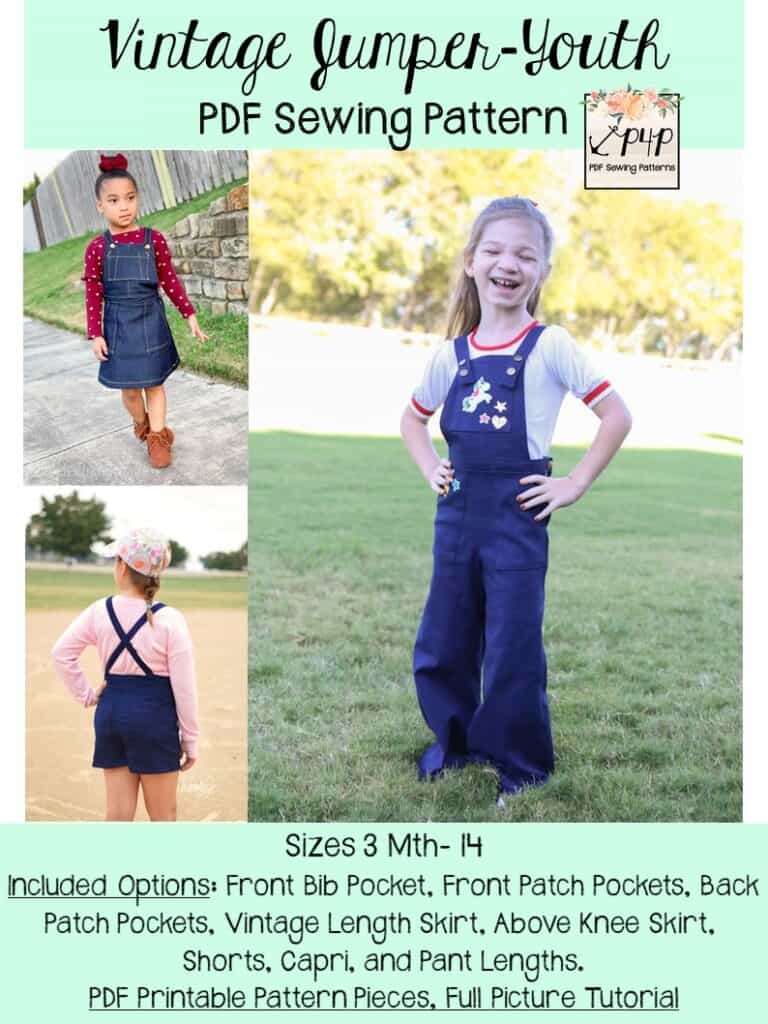
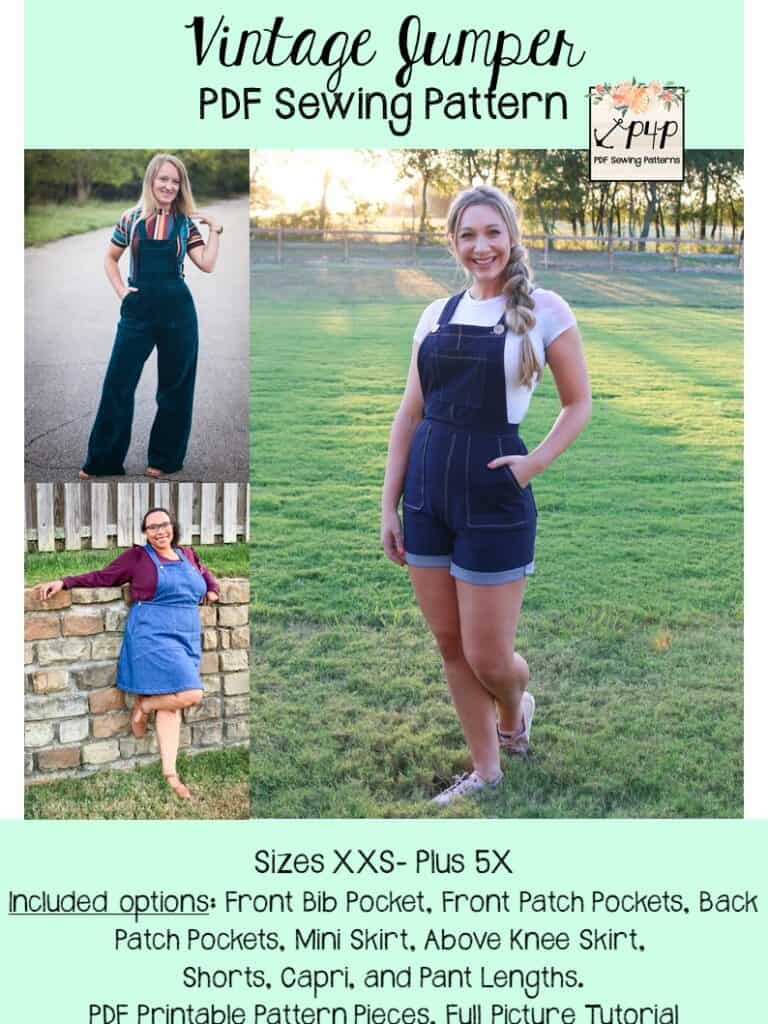
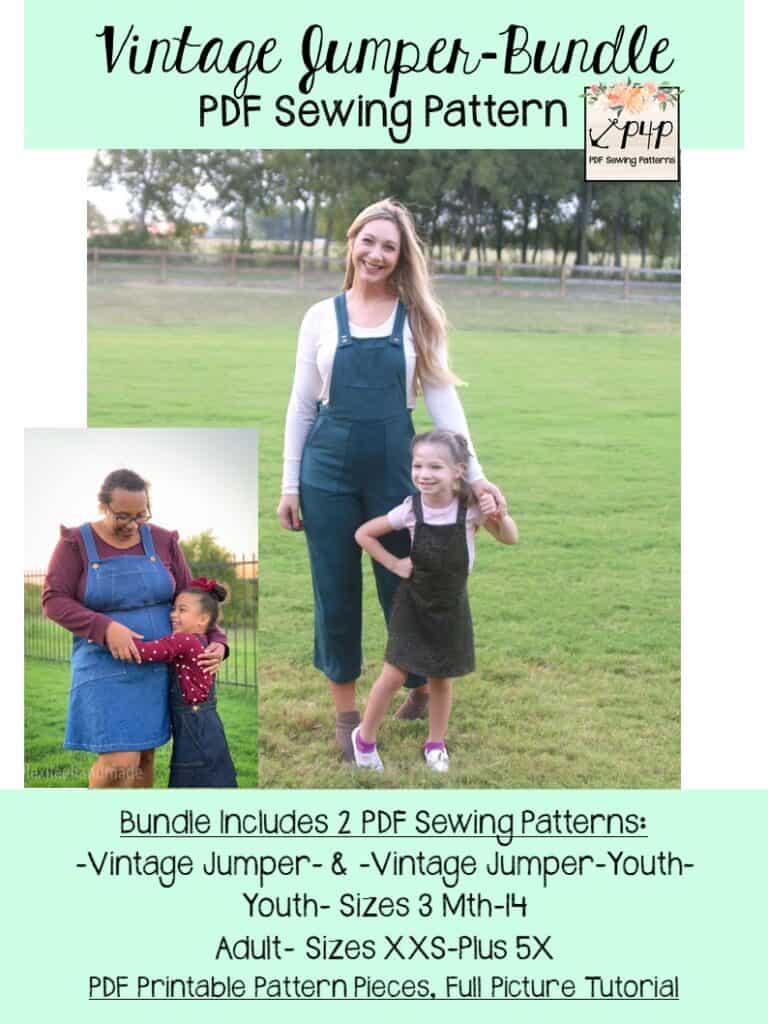
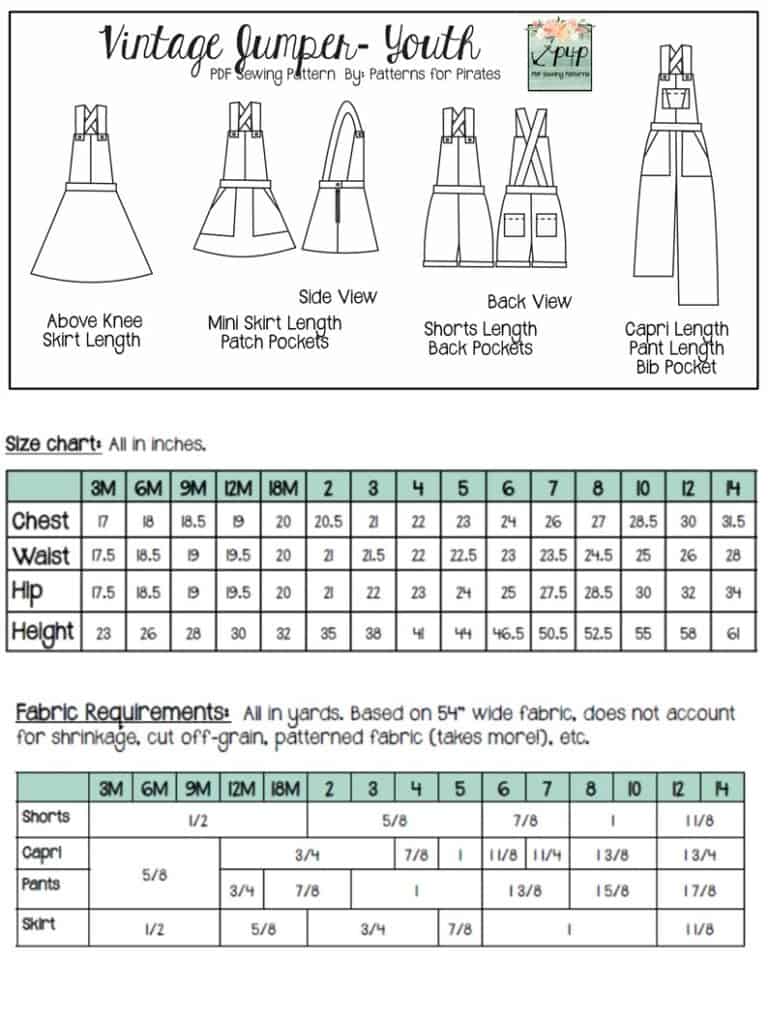
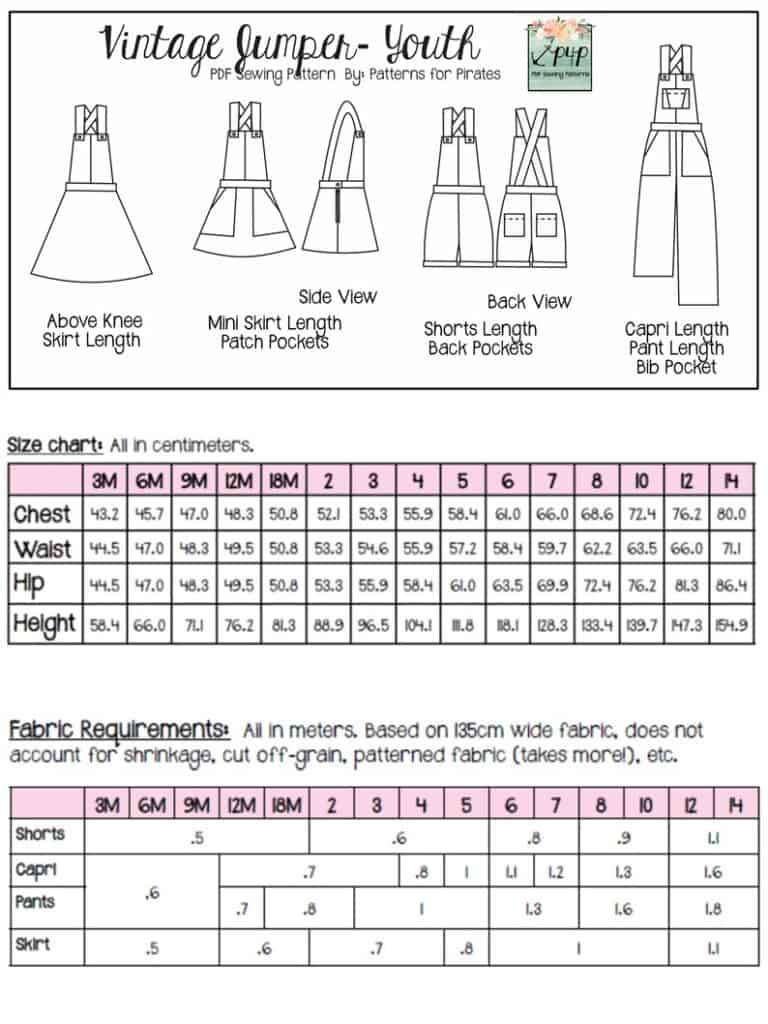
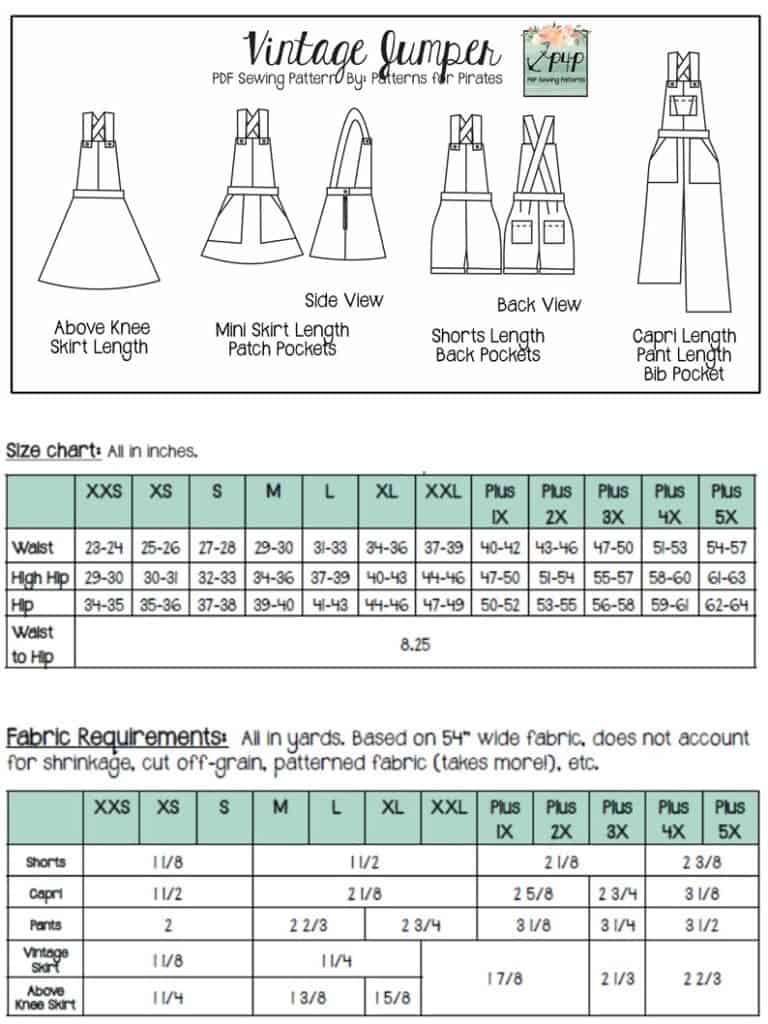
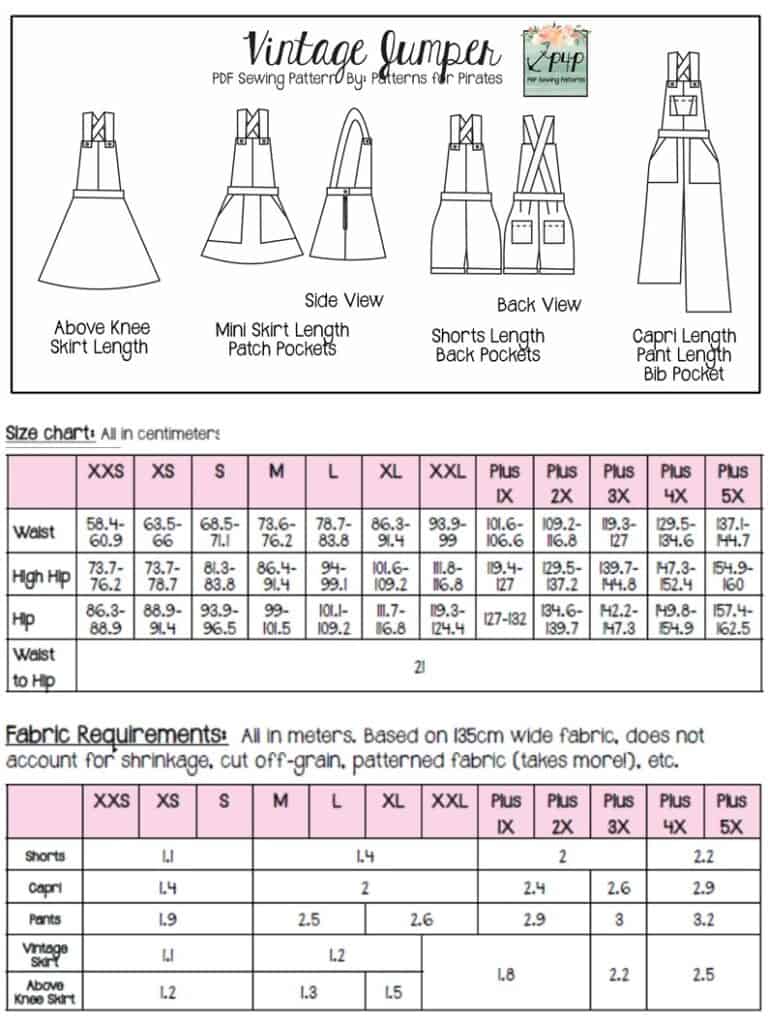
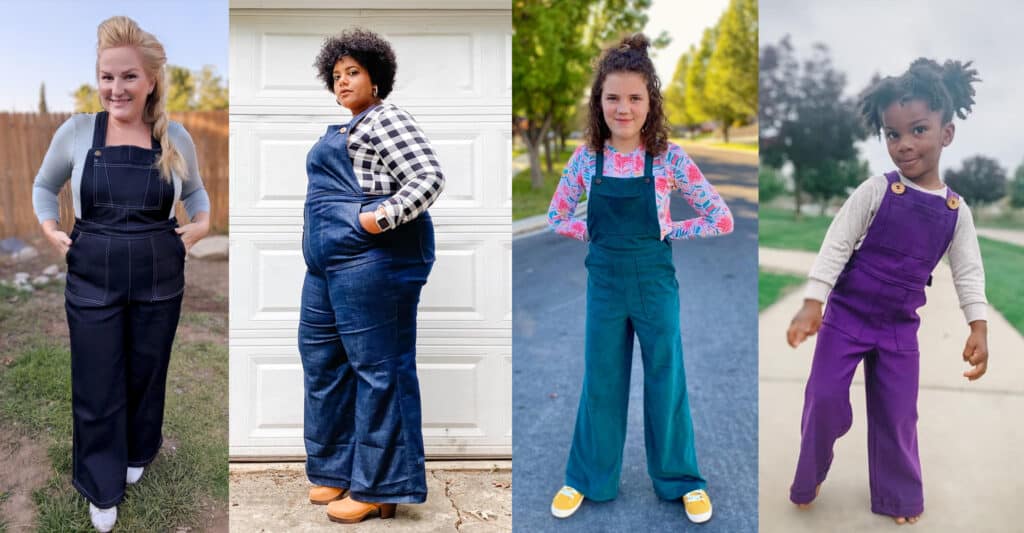
Happy October, y’all!  We are beyond thrilled to be sharing with you our newest release: the Vintage Jumper!  The youth sizes range from 3m – 14 and the adult sizes are for the full, newer size chart, extending from XXS – Plus 5X!  If you haven’t sewn with us in a while, please make sure to check the size charts, as there were slight adjustments made to accommodate the new size range for adults.


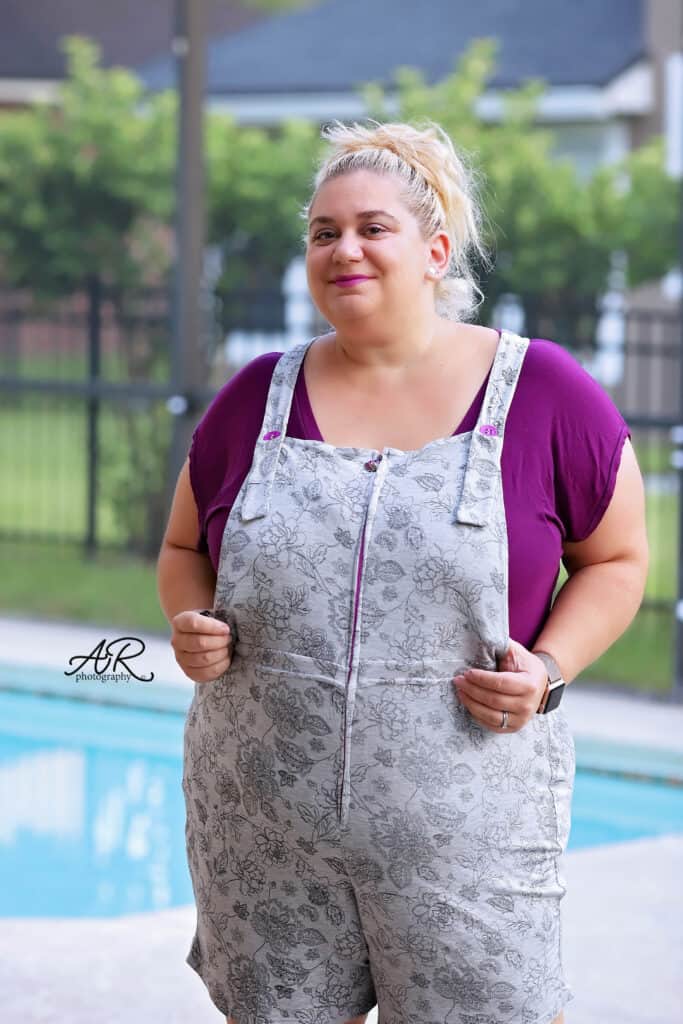
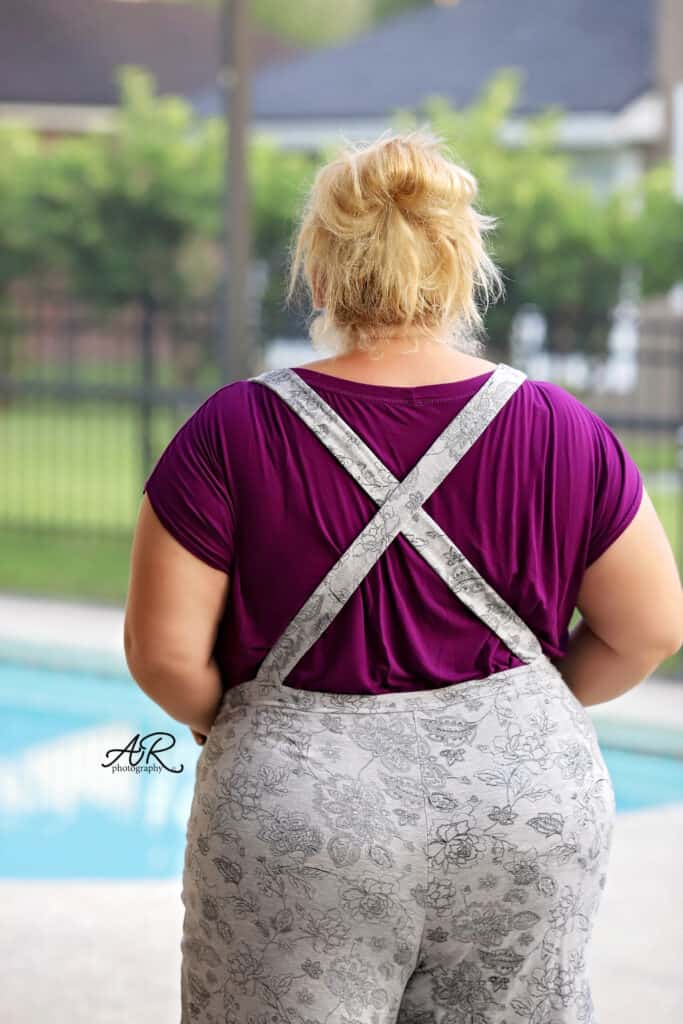
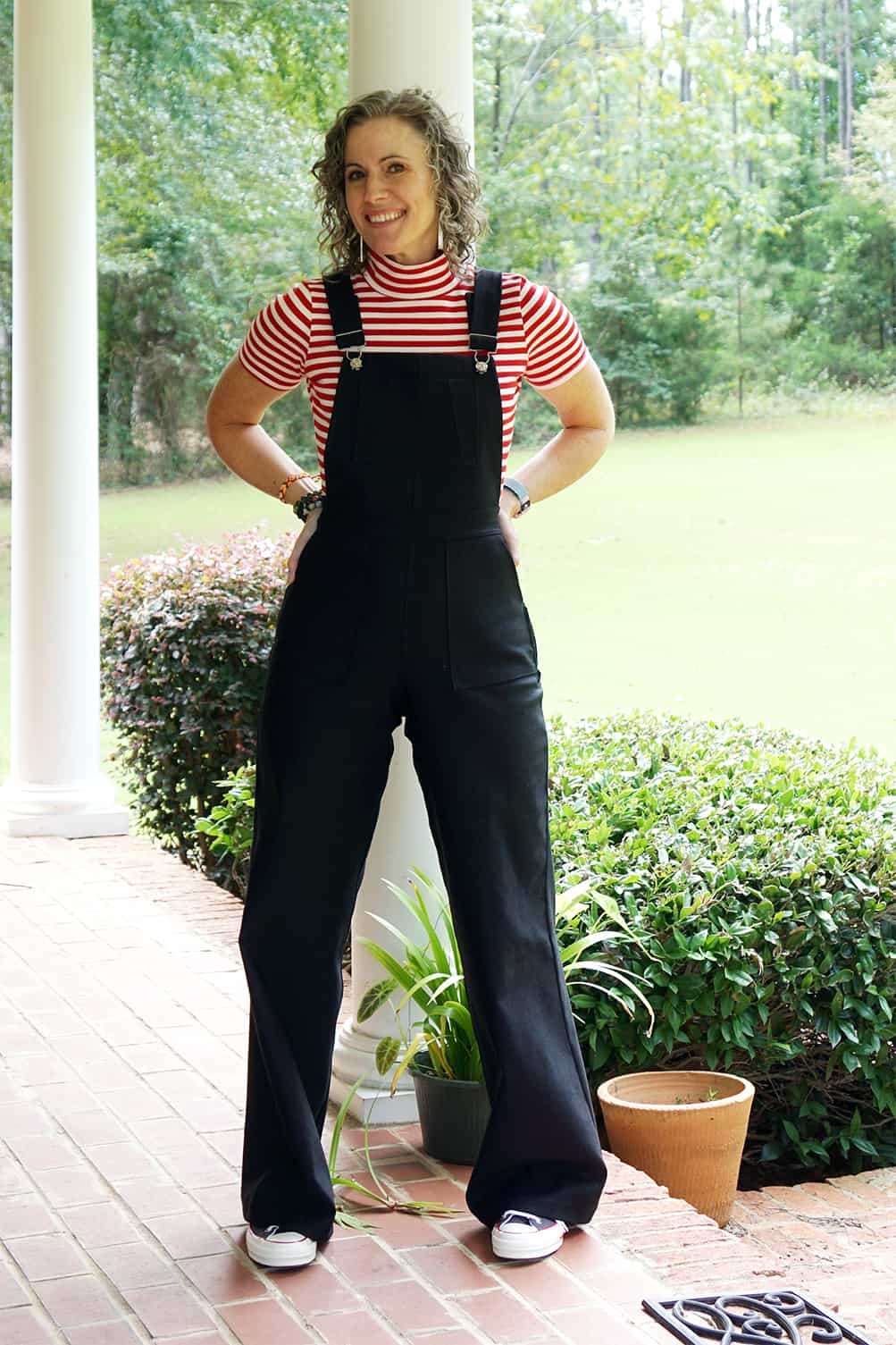
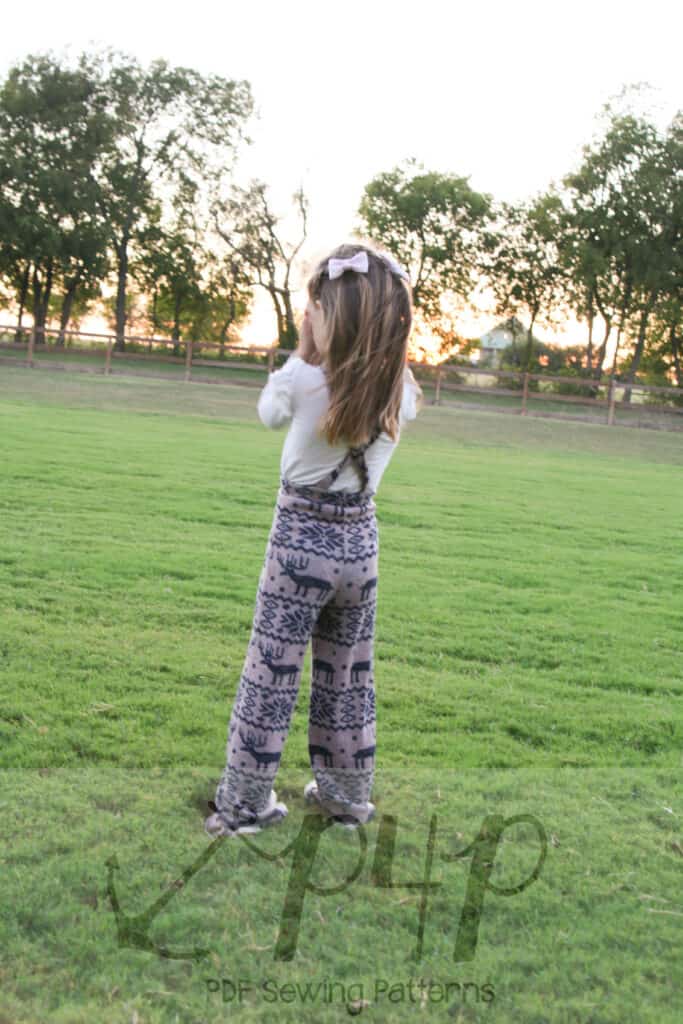
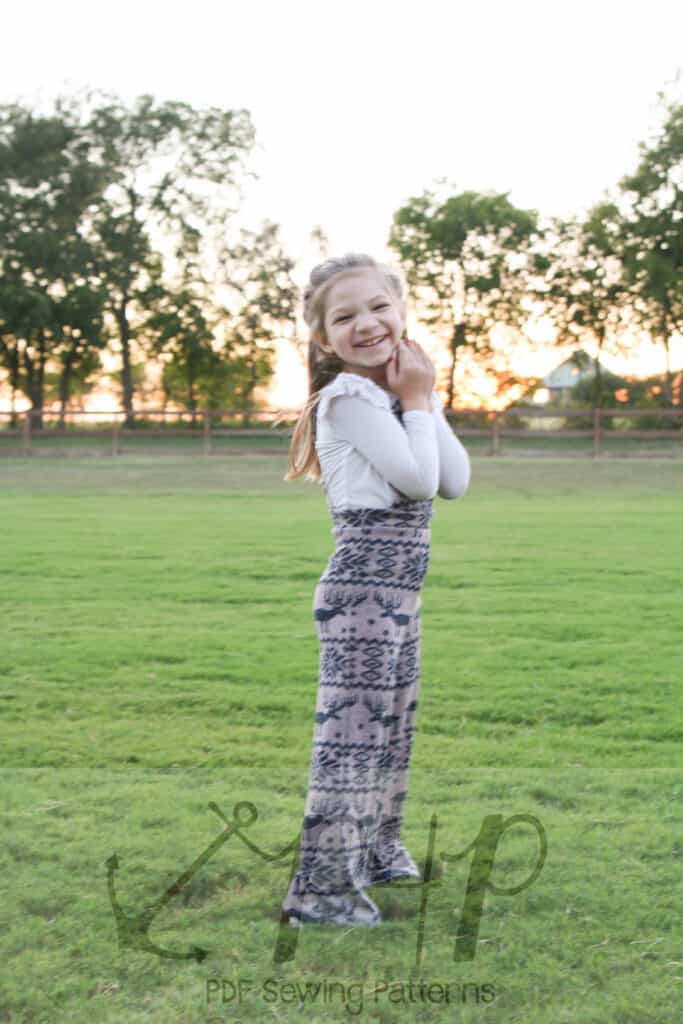
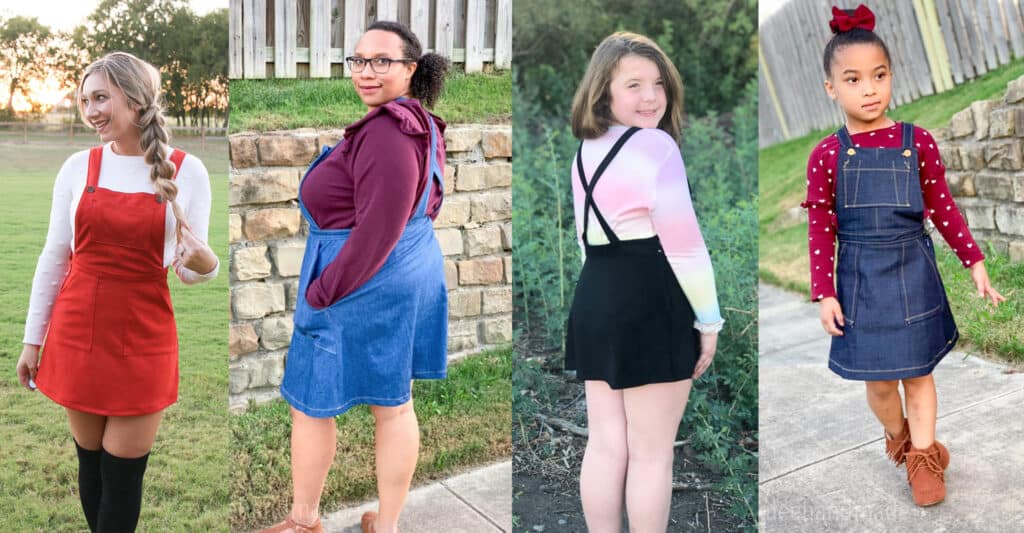
The Vintage Jumper gives you an adorable retro feeling with a snug waistband right on the natural waist, slim through hip and flares out down the legs. The simple cross strap back adds to the vintage look along with the pocket styles. You can create a cute jumper with the skirt options or an overall/dungaree with the pant options! You can layer under for warm or cold weather and keep these in your wardrobe year round! Drafted for a stretch woven you can pick up so many different adorable fabrics to sew up.

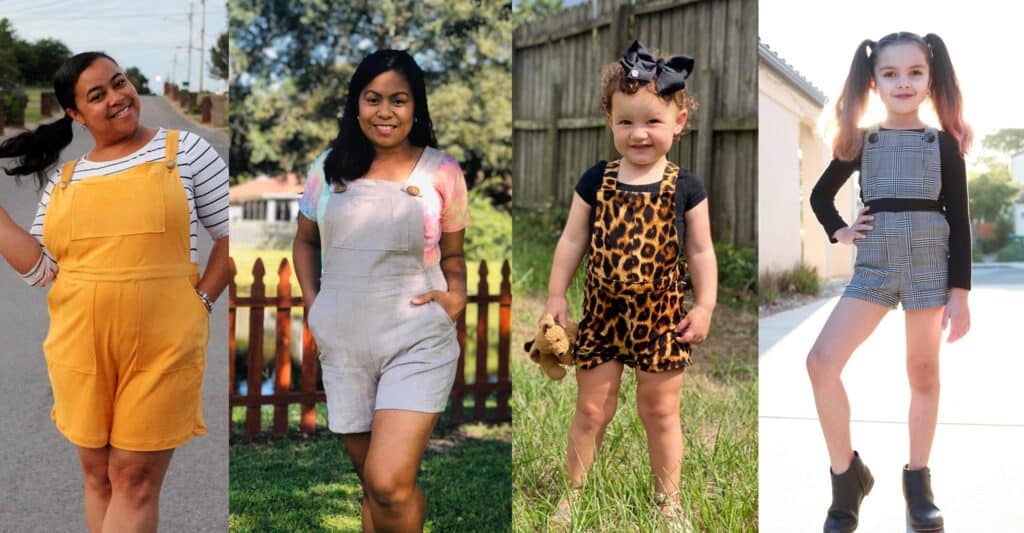
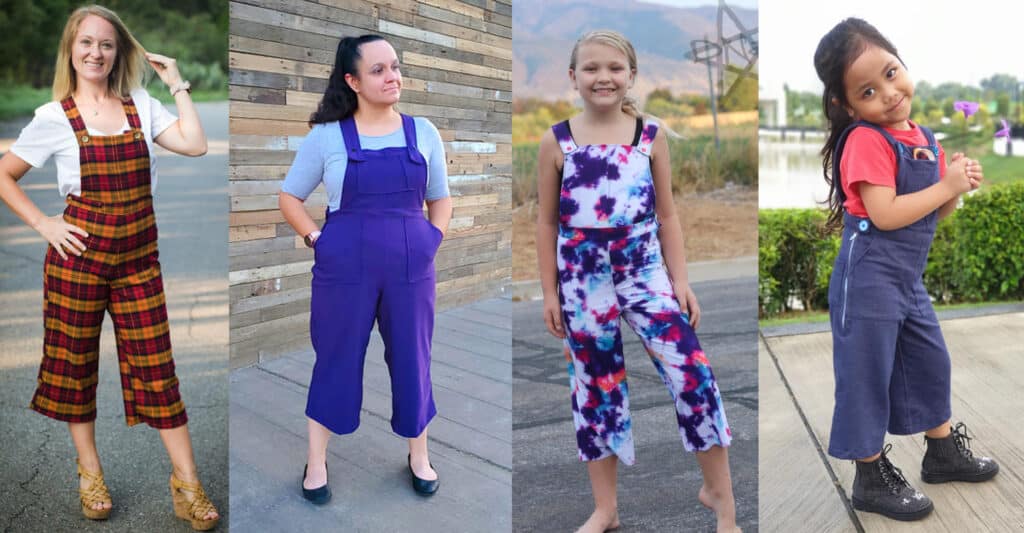
Options include: mini skirt, above-knee skirt, shorts, capri and pants lengths.  There are also all the pockets you could ever need, with optional front, back and bib pocket options!

Also included in these patterns are videos, to help compliment our tutorials and help you on your way to some happy sewing!  You don’t have to fear the zipper anymore because this tutorial includes TWO videos with step by step guide on both methods on inserting the zipper.


**Want to learn more about how to measure yourself for this pattern?  We’ve got you covered with an in-depth blog HERE.  And in case you’re new to Patterns for Pirates and PDF patterns in general, we have a great blog full of new-user tips HERE to help you get started!  As with all of our current releases and updates, the pdfs now include our layers feature and can be found in Letter, A4, A0 and projector sizes.  And for even more helpful fun, we have a *free* printable that you can use to help record your measurements as you take them.

Let’s take a quick look at the different lengths and features!

MINI + ABOVE-KNEE SKIRTS
SHORTS LENGTH
CAPRI LENGTH
PANTS LENGTH

What are you waiting for?  Head on over and grab yourself a copy of these delightfully retro patterns!  The Vintage Jumpers are available on sale (no code needed) through 11:59pm CST, October 8, 2020.

VINTAGE JUMPER | VINTAGE JUMPER – YOUTH | VINTAGE JUMPER – BUNDLE

Maybe hoping for a little more inspiration before you make the purchase?  Head over to our Facebook group where you can see tester albums full of amazing images!  Adult Album / Youth Album

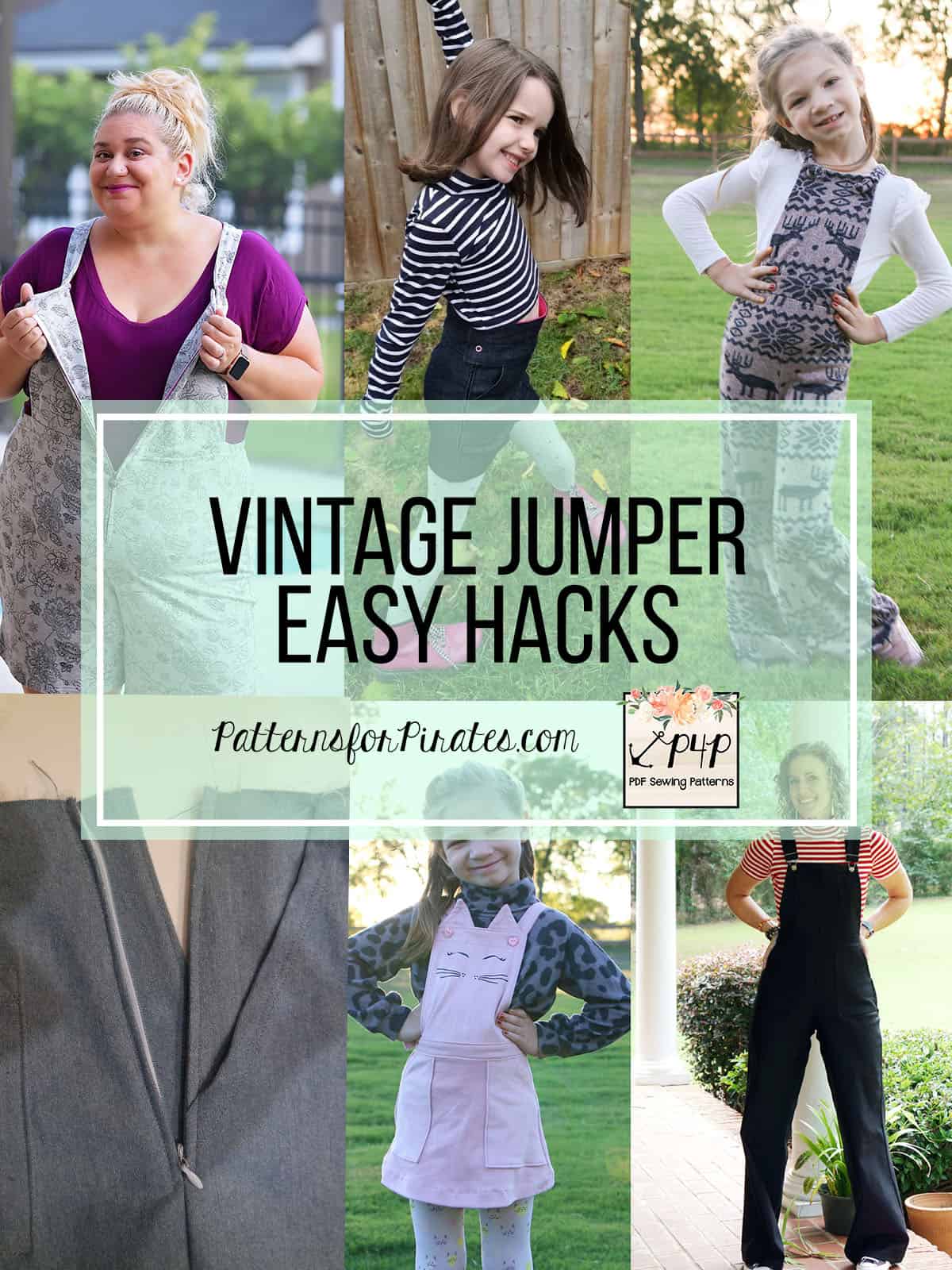
If you’re looking for even more options, we show you a few more ways you can use this pattern in our Vintage Jumper Easy Hacks post including how to skip the zip or buttonholes!

Filed Under: Pattern Release Leave a Comment

P4P University – Elastic

September 27, 2020

P4P University – Elastic 101


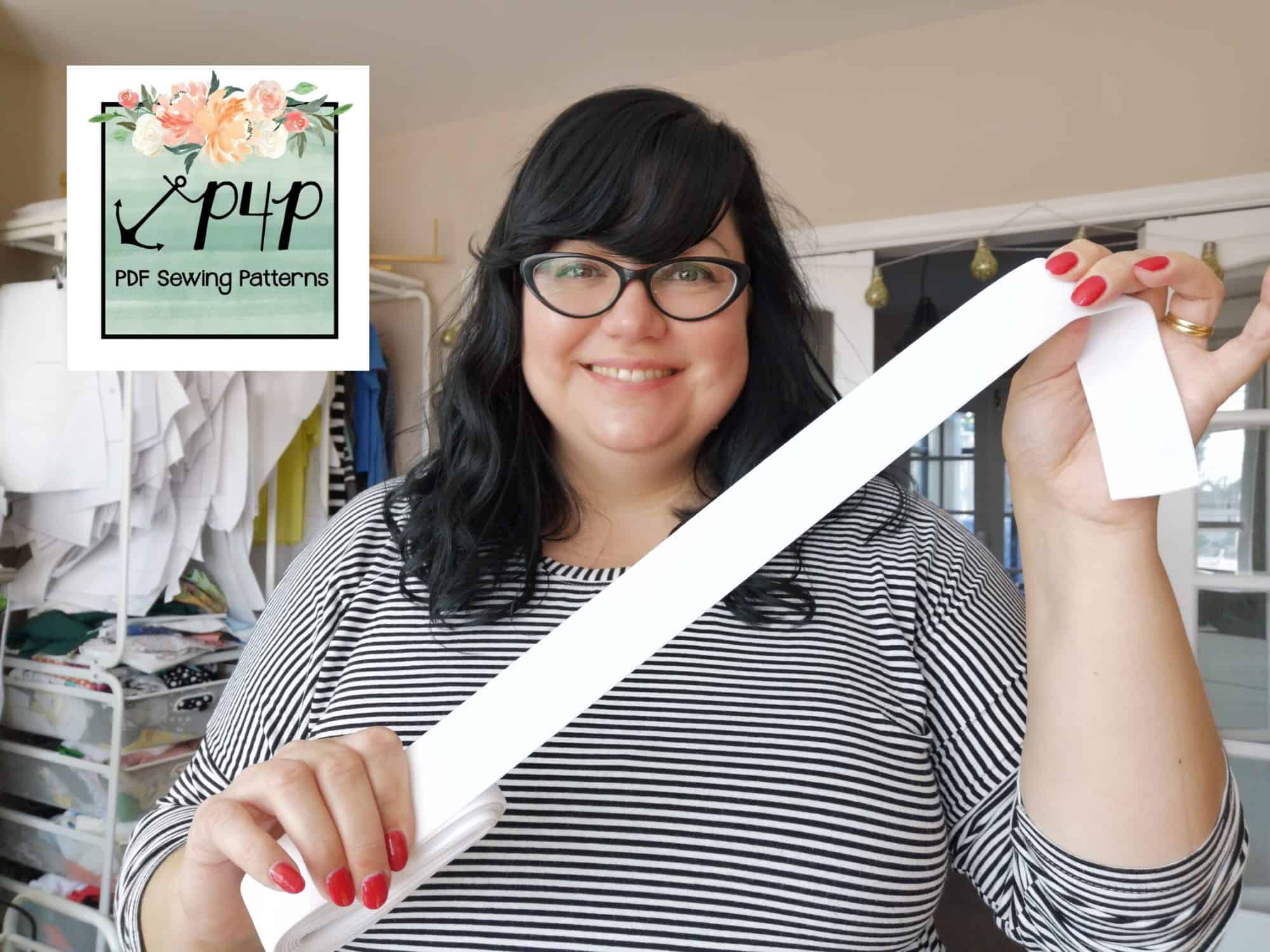
Hi,  I’m Dana one of the P4P team and I’m here today to talk all about elastic with you! We’ll be covering lots of different types of elastic that you may want to use in your sewing and showing your some examples of what they look like sewn up into finished garments, the times you may want to use them and the stitches I like to use to get the best finish.

To go alongside this blog post, I have filmed a video which you can find on the P4P You Tube channel here:

P4P University Elastics 101 Video

So, first things first, before you sew with any elastic there is one thing you will always want to do with it before you begin – exercise it!  Give it a good tug several times to make sure if it is going to stretch out it does it now and not after you have finished your garment.  There is nothing worse than something which fits great at first and then soon starts to get baggy.


Let’s introduce and cover off some types of elastic you are likely to encounter when home sewing:

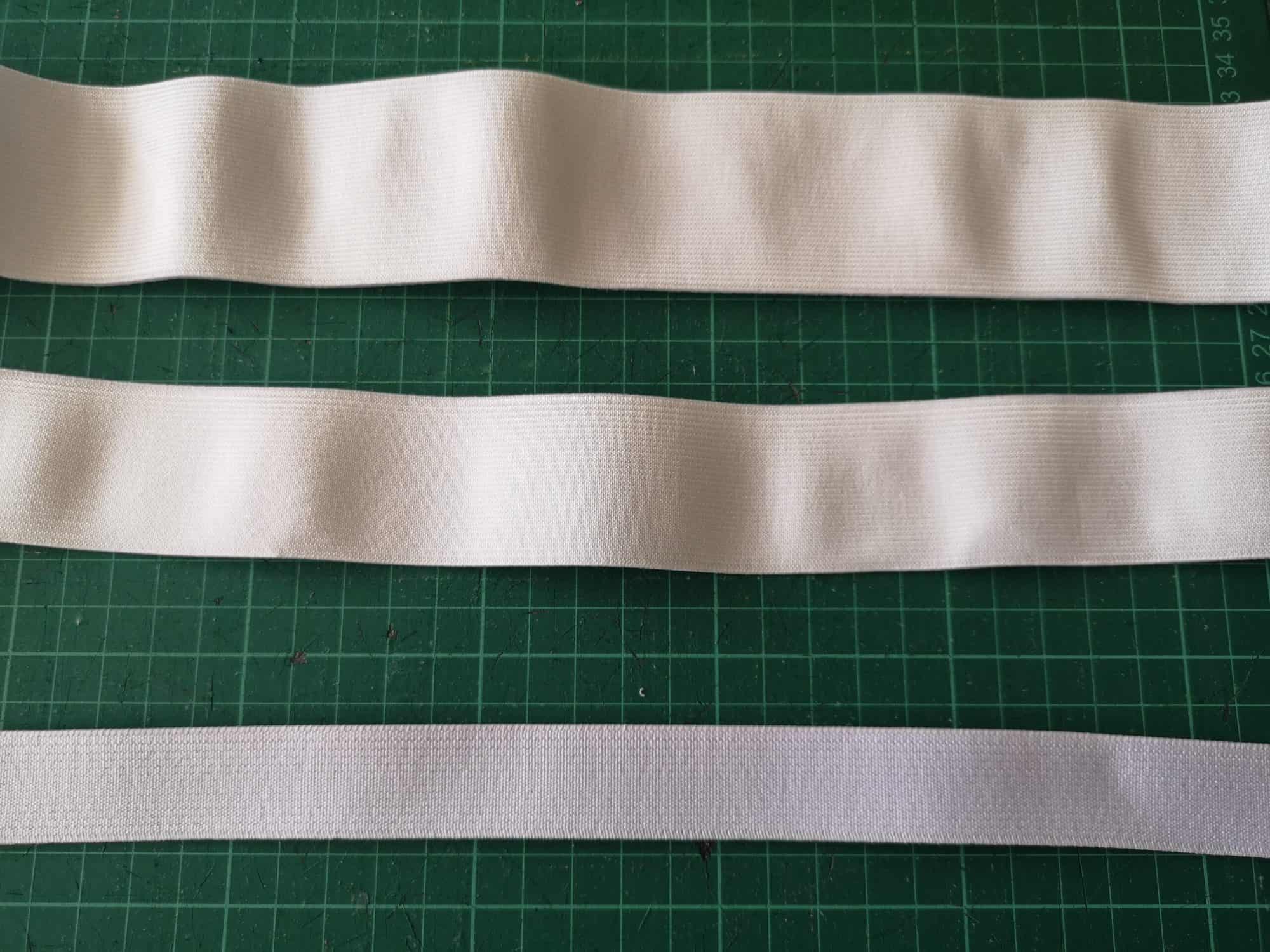
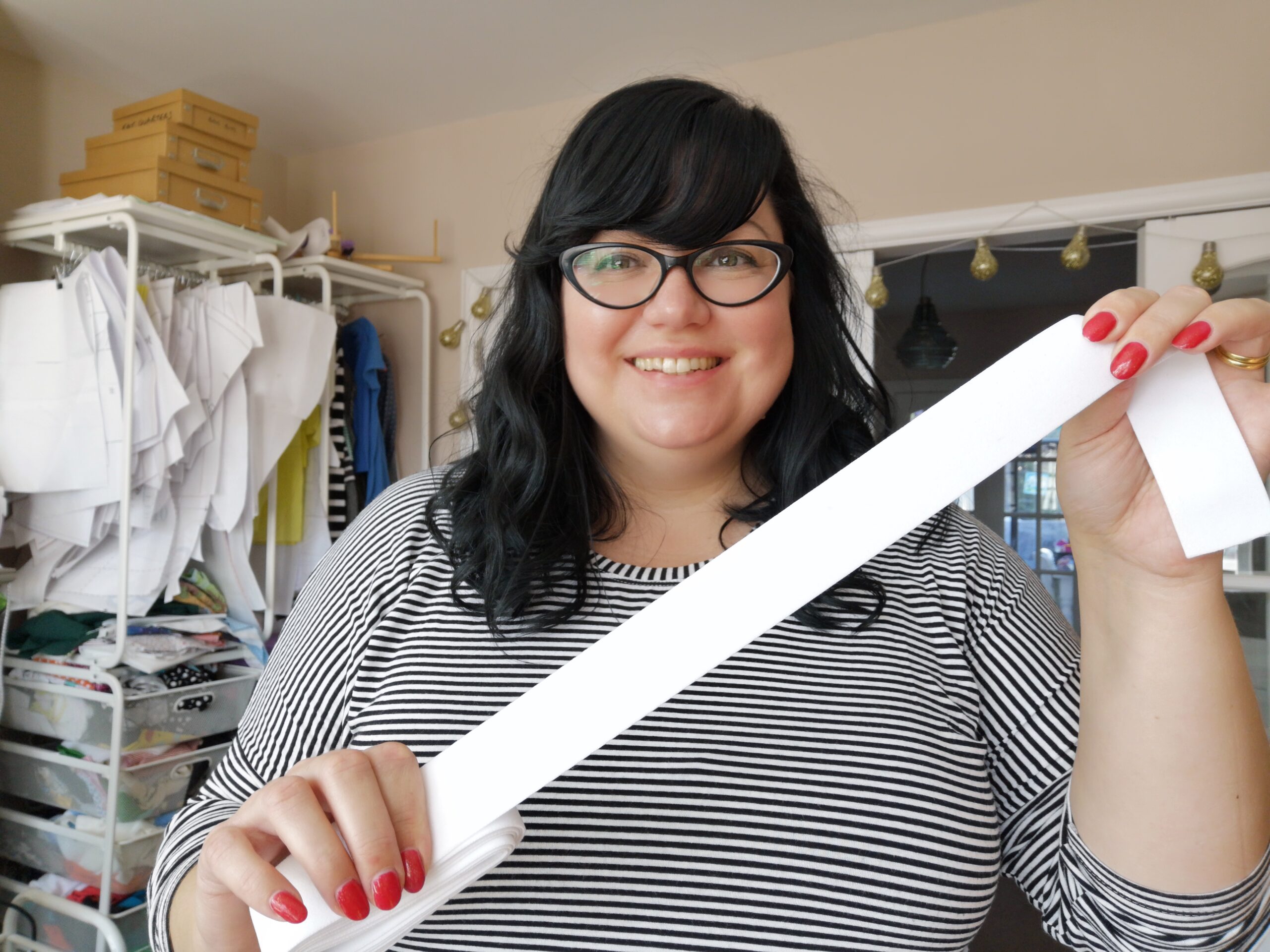
Regular Knit Elastic

This comes in many different widths, depending on your need.  Pictured are 1″, 1.5″ and 2″ elastics.  Usually white or black in colour, I generally choose white because you can’t see it under lighter coloured fabrics.  This plain version is usually used for something like an enclosed elastic waistband, where the elastic is fed through a casing to form the waistband.  These SOS Pants have an enclosed elastic waistband.  It makes for a soft and comfortable to wear garment.

SOS Pants with enclosed elastic waistband

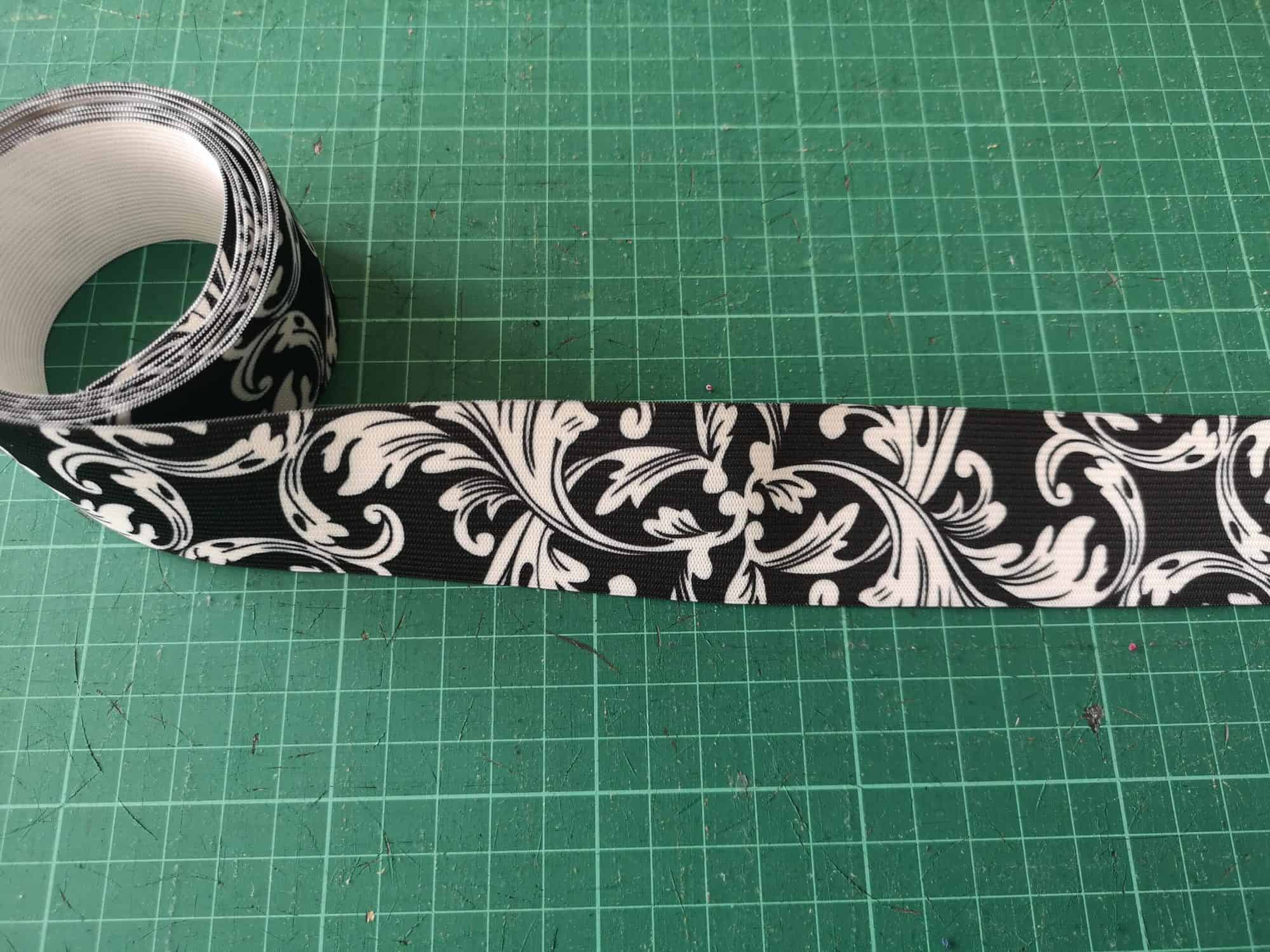
However, you can also find patterned elastics, like this:

Patterned Knit Elastic

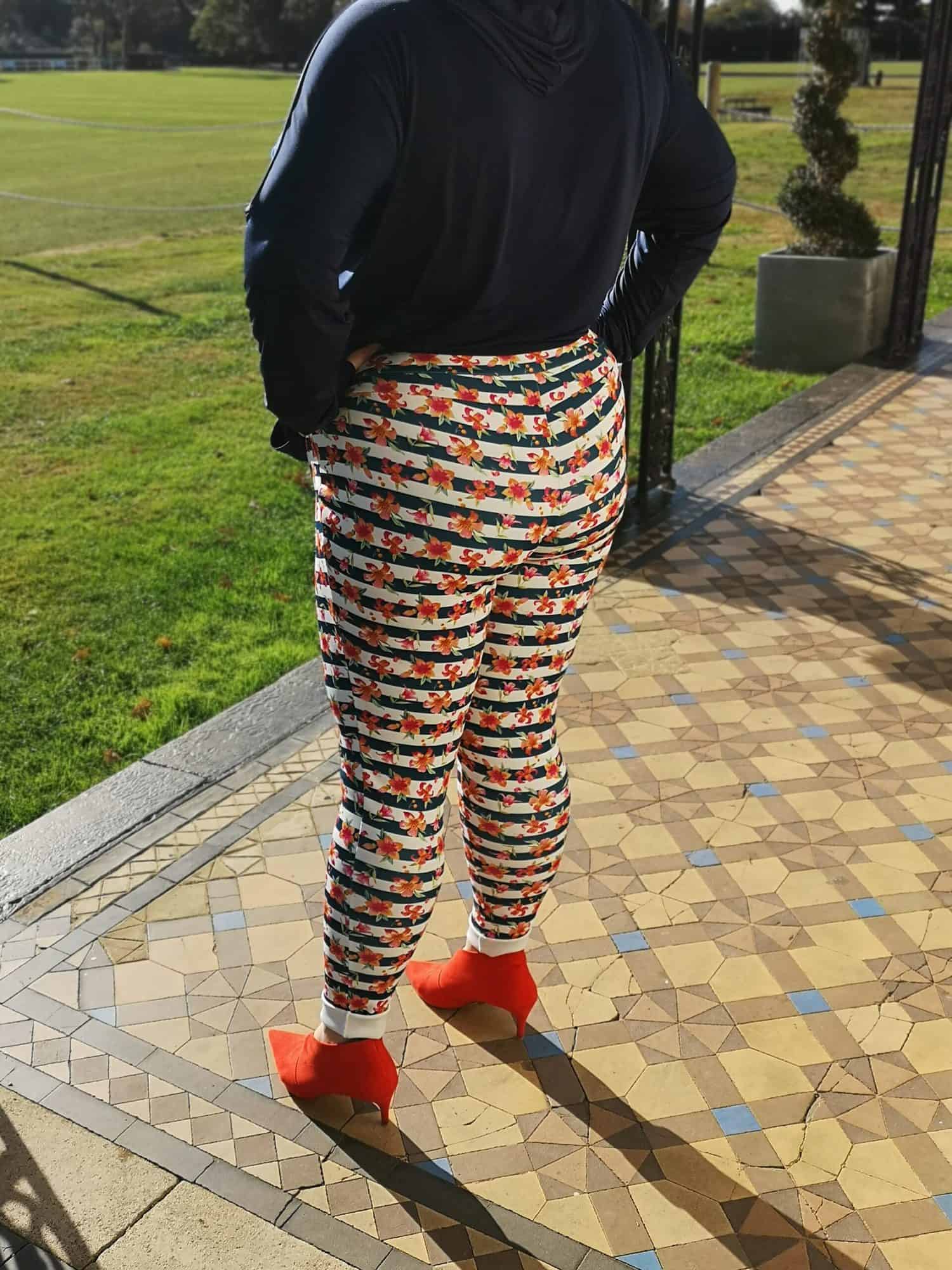
and these can be used as a waistband in their own right, just by top stitching in place of a casing.  Super quick and easy way to finish a skirt or pair of shorts!  Just wrap around your waist and cut to size, then butt the short ends and zig zag stitch together to form a loop. Quarter the elastic, quarter the top of the garment and sew right on.

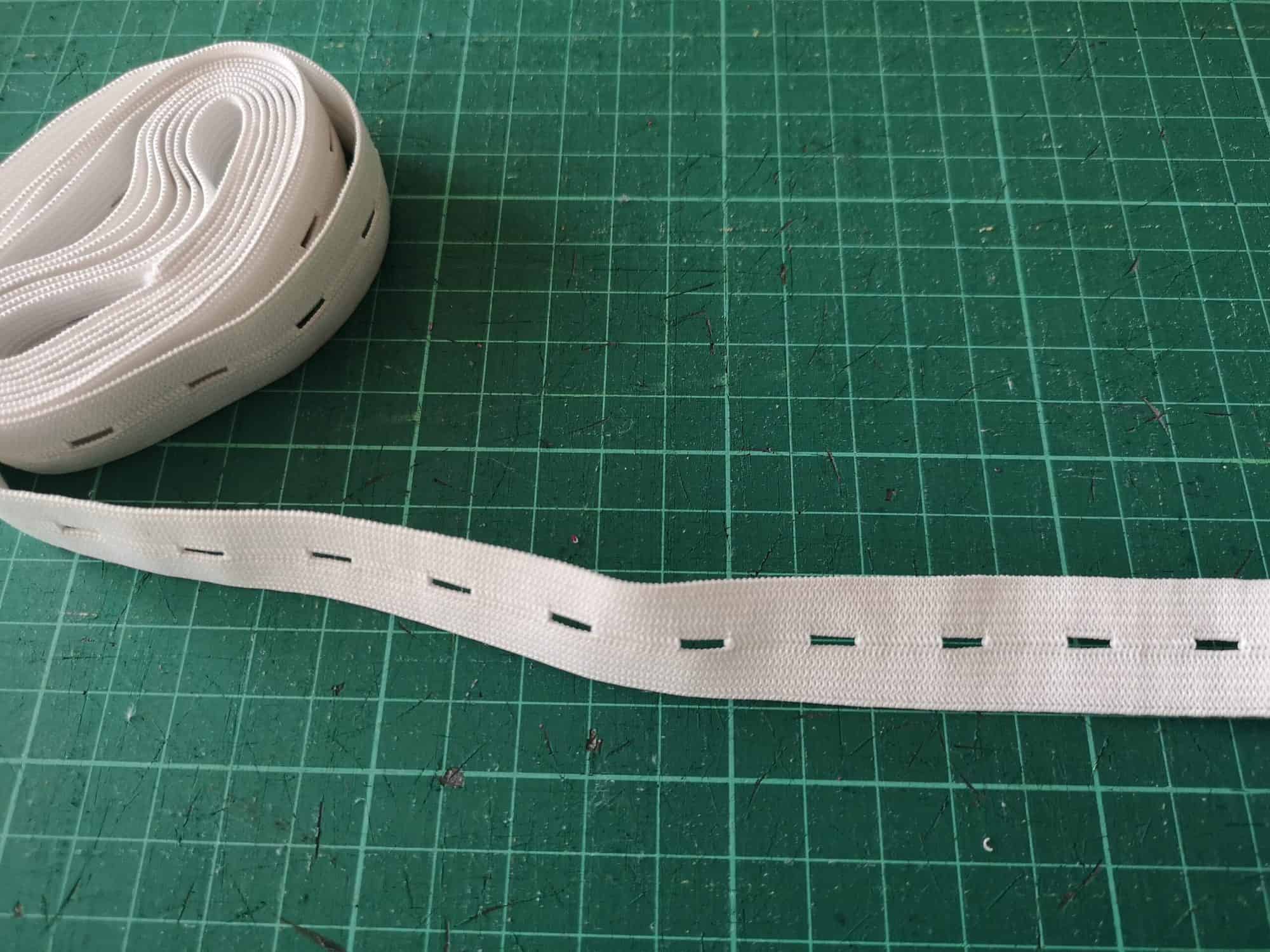
Buttonhole Elastic

This is great if you have small people that keep shooting up overnight, like me! You can use it in a waistband secured with a button, and then unbutton it as they grow.  Great for things with lots of ease drafted in, like the Walk The Planks.  Just remember to cut it a little longer than needed when you first sew it in so you have room to lengthen it.

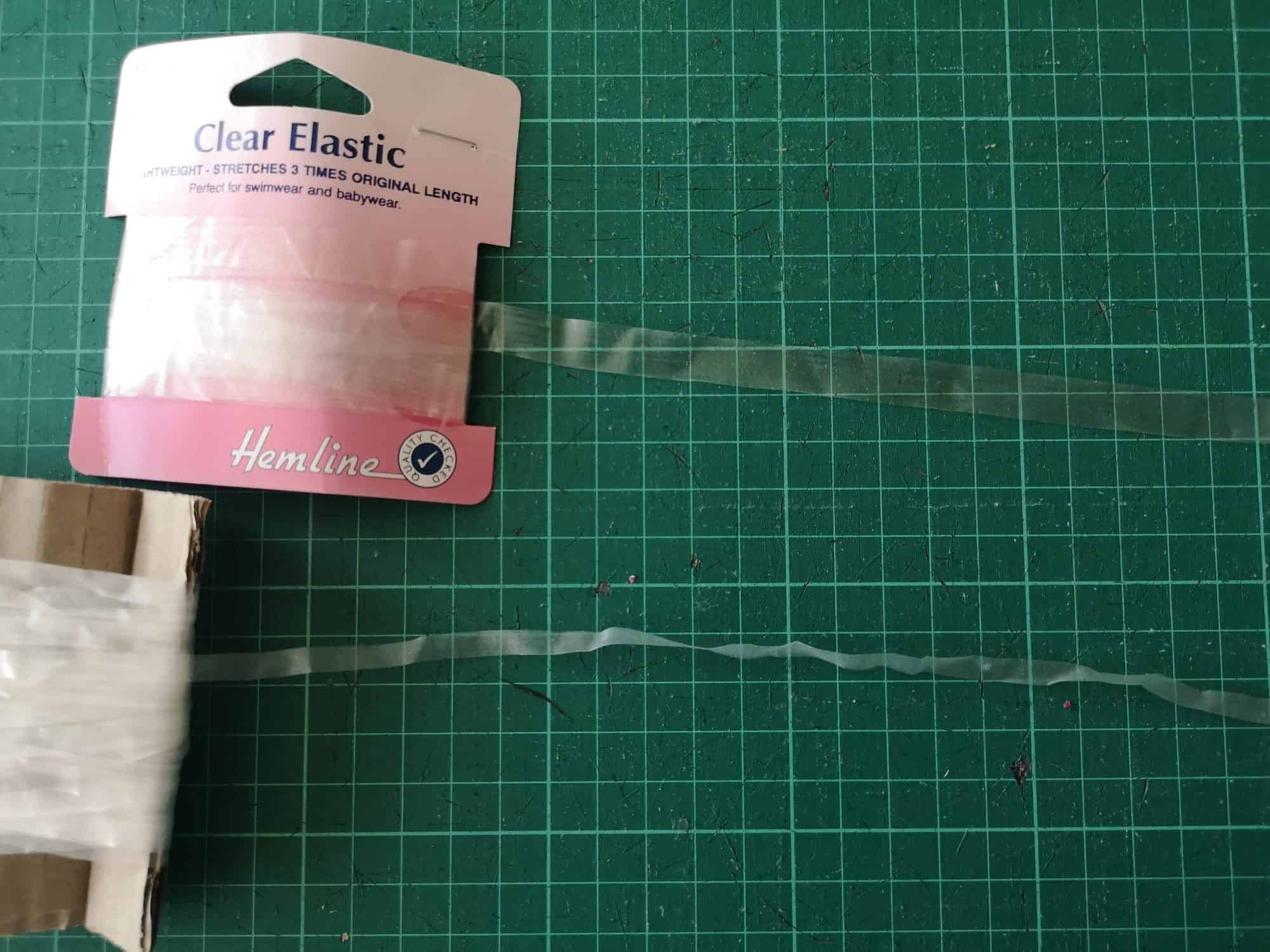
Clear Elastic

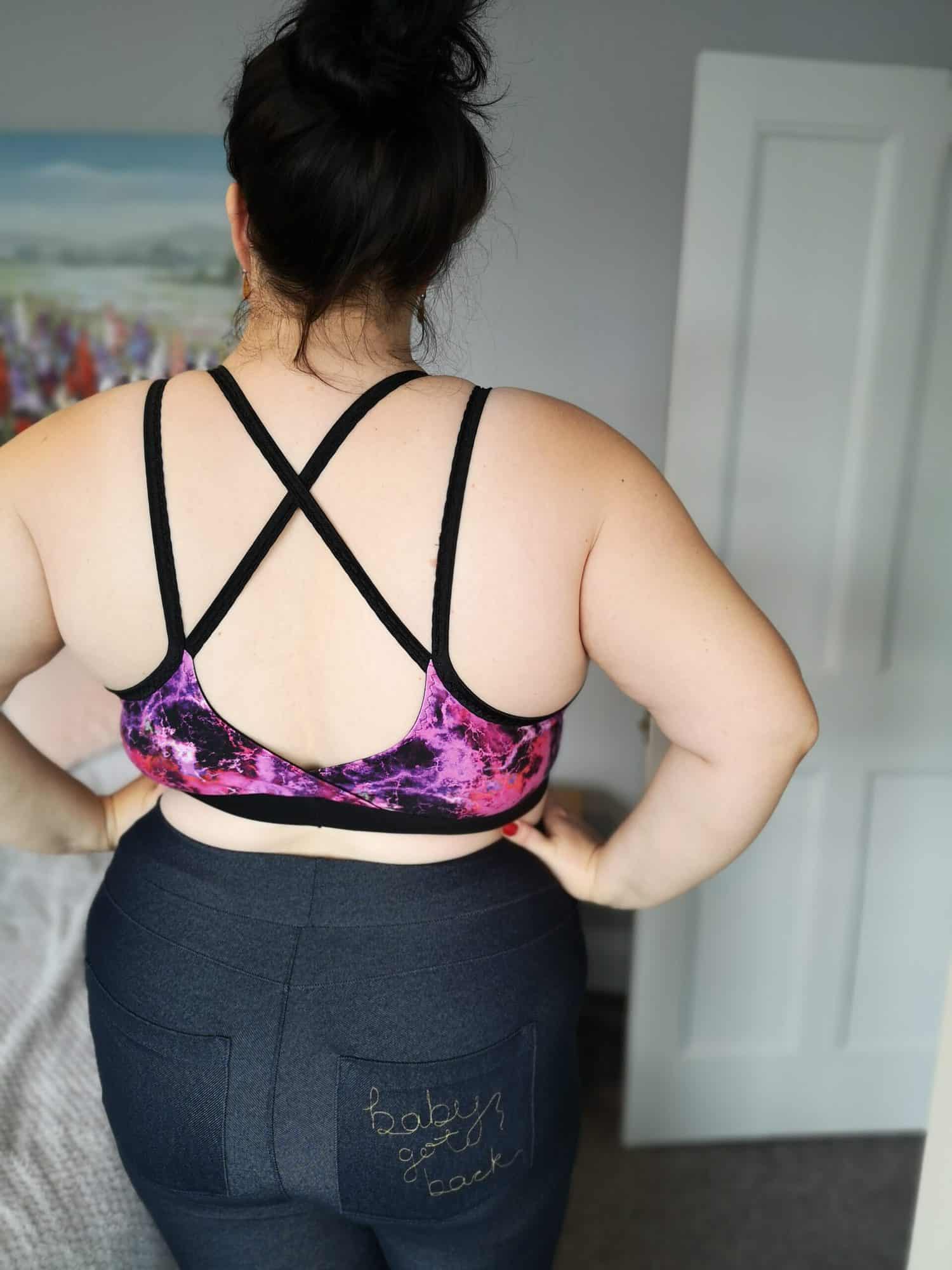
Clear Elastic is one of the things I had never heard of before I started sewing and now it’s the thing I use the most.  I use it for gathering skirts to fit bodices, like the Sweetheart Dress; for stabilizing shoulder seams on lightweight stretchy fabrics like rayon spandex, that have a tendency to grow otherwise; for adding ruching; and for adding extra strength to the seams of stretch fabrics under pressure, like in a sports bra, where it just serge it right on when sewing the seam itself.  Again this comes in different widths, pictures is 3/8″ and 1/4″.

Swim Elastic

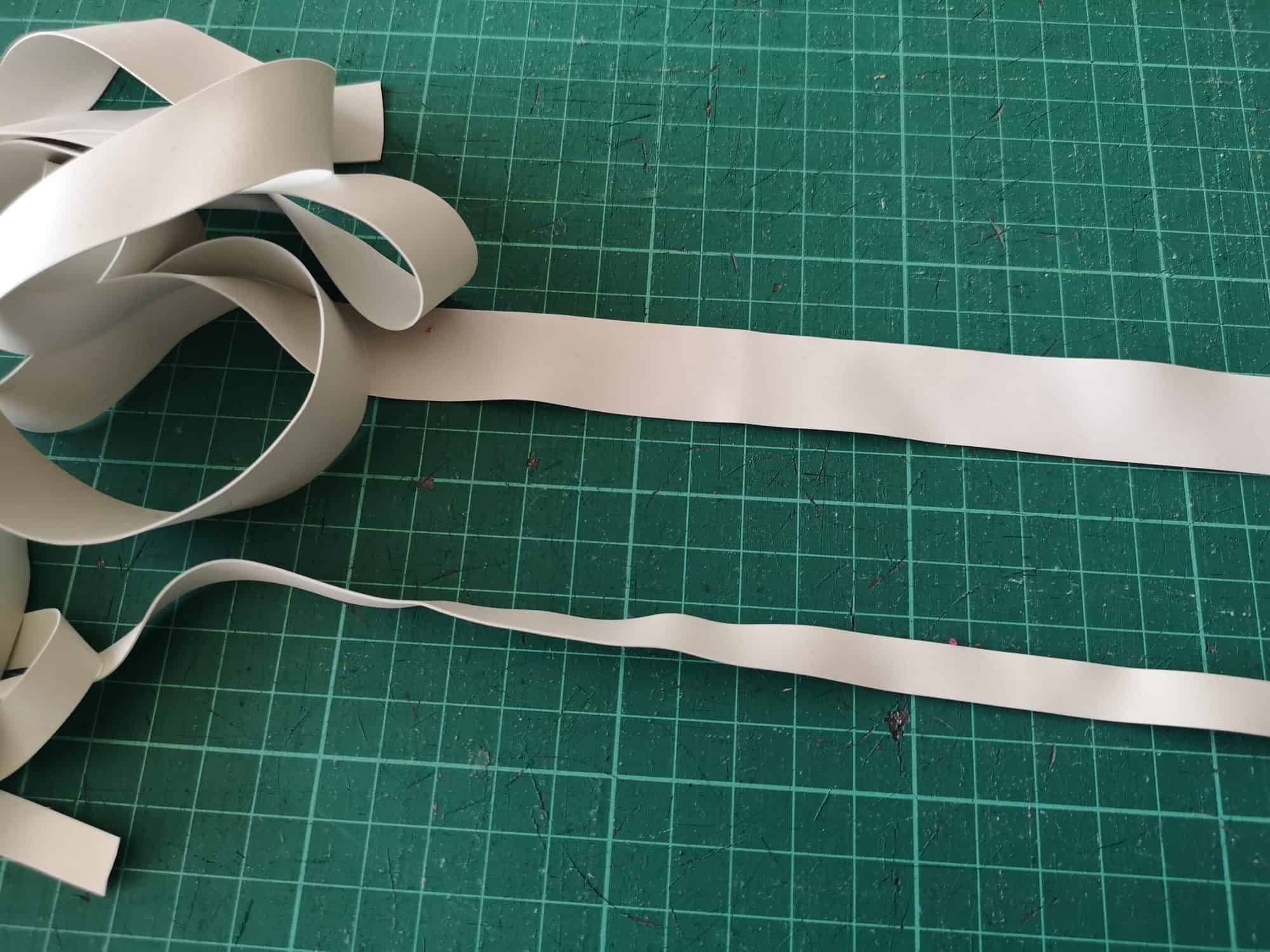
As it’s name suggests Swim Elastic is used in swimwear.  Regular elastic can perish under the combined attack of both strong sunlight and chlorine, so it is best to use this type of elastic in swimwear to ensure it stands up to the test of time.  I often use clear elastic in swimwear too, both work fine, you just don’t want to use a regular knit elastic because when your pull your swimsuit out after a winter in storage you will probably find that the elastic has perished and lost all it stretch. If you’re going to take all that time to make a custom swim suit, you may aswell try and make sure it lasts.

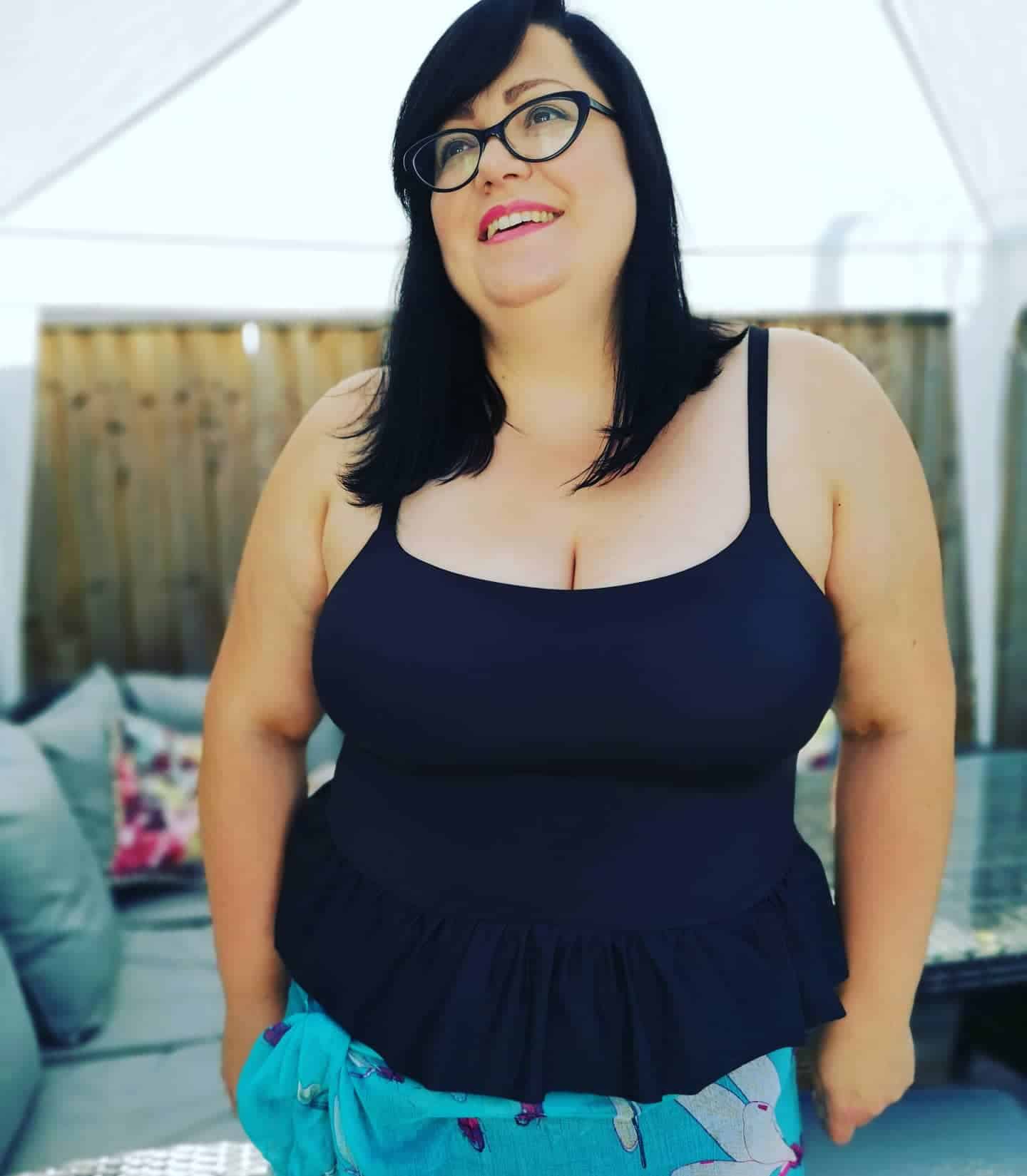
Sunflower Swim Top

I used several different widths of swim elastic in this Sunflower Swim Top to get the best fit for me, including 3/8″, 1/2″ and 1″.

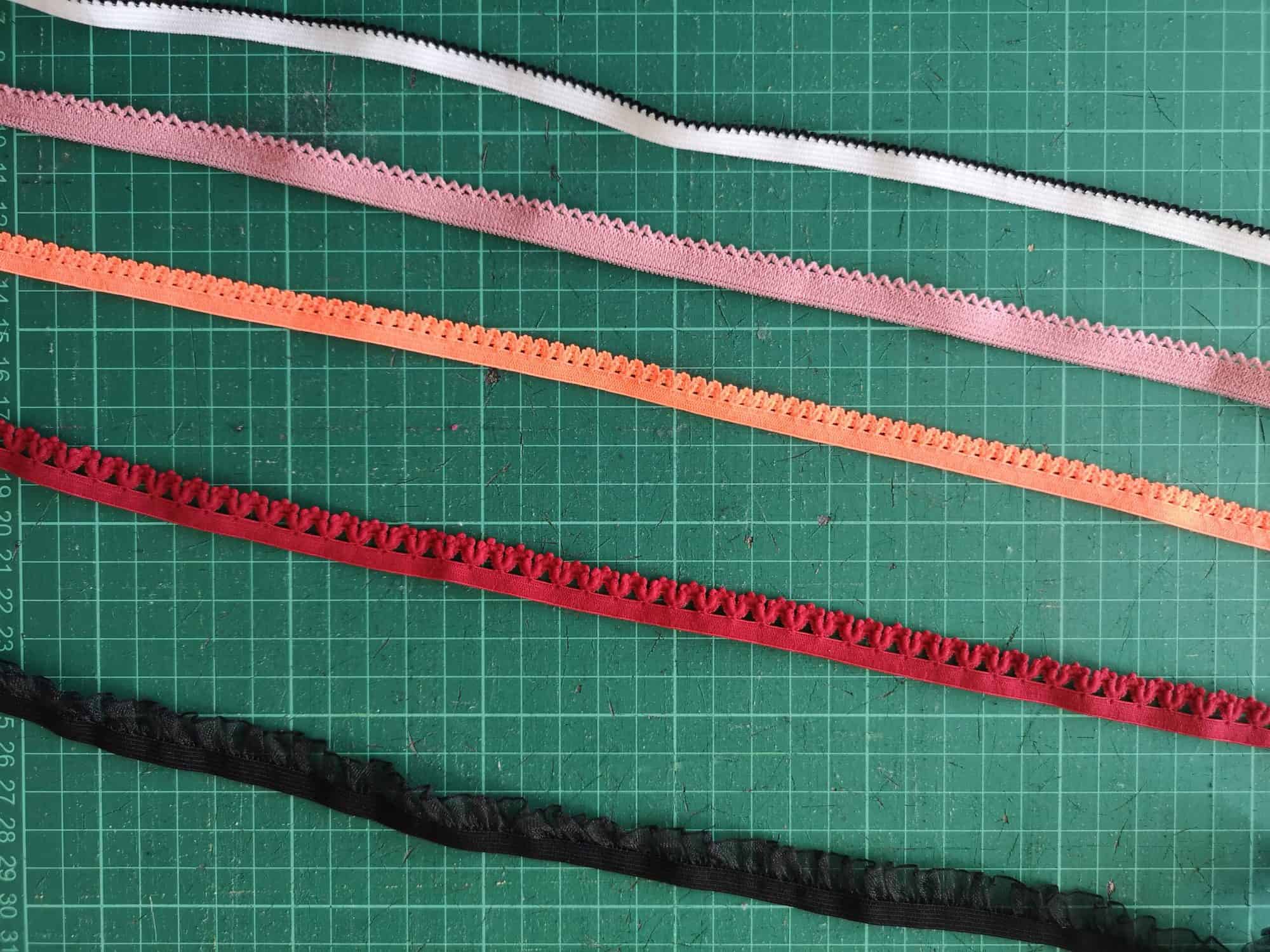
Picot Elastic

Picot Elastic is often thought of as a lingerie elastic, and it’s great for that but I think it’s also really pretty when used to finish the neckline and sleeves of a dress, where you just see the little picots popping out from the inside.

Me Hearties Dress

I used picot to finish the neckline and sleeves of this Trixie Lulamoon dress I made for my daughter’s birthday using the Me Hearties Dress pattern.  I just serged it on right sides together, flipped it down to the inside and then top stitched it with a triple zig zag stitch.  This is my favourite stitch for top stitching elastic because it is a really great stretchy stitch but it is also quite a wide stitch and that helps stop the elastic from flipping up.

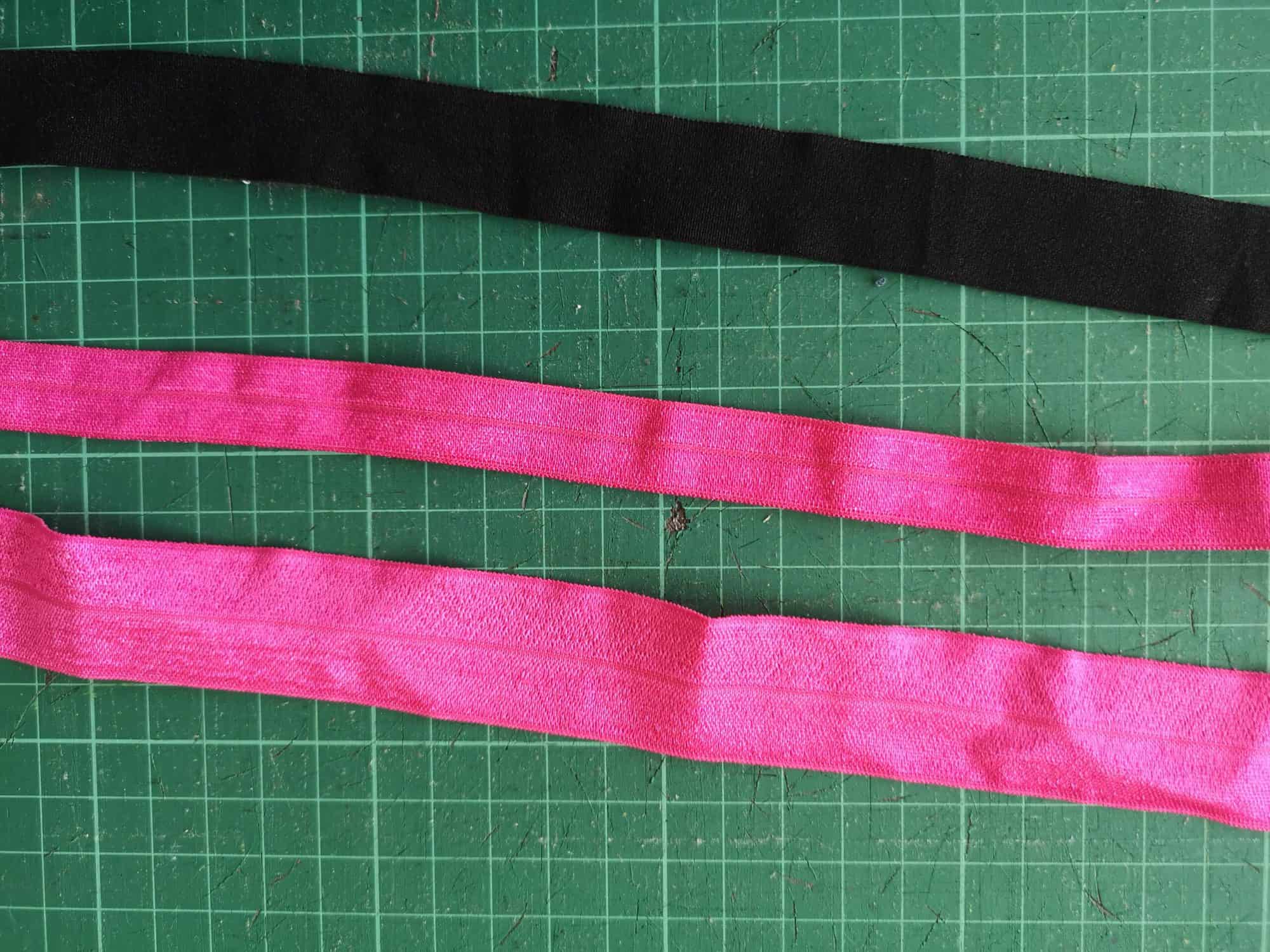
Fold Over Elastic

You will often see Fold Over Elastic being abbreviated to FOE in sewing groups, but as you would imagine from its name you fold it over the raw edge of the fabric and top stitch in place. You can either use your coverstitch if you have one, or just sew with a triple zig zag stitch.

Fierce Bra and SOS Pants

It is used in the Fierce Bra to finish the top raw edge of the bra and also form the straps.  It takes a bit of practise to get used to handling it at first but it a very useful tool to have in your arsenal!

Soft Waistband Elastic

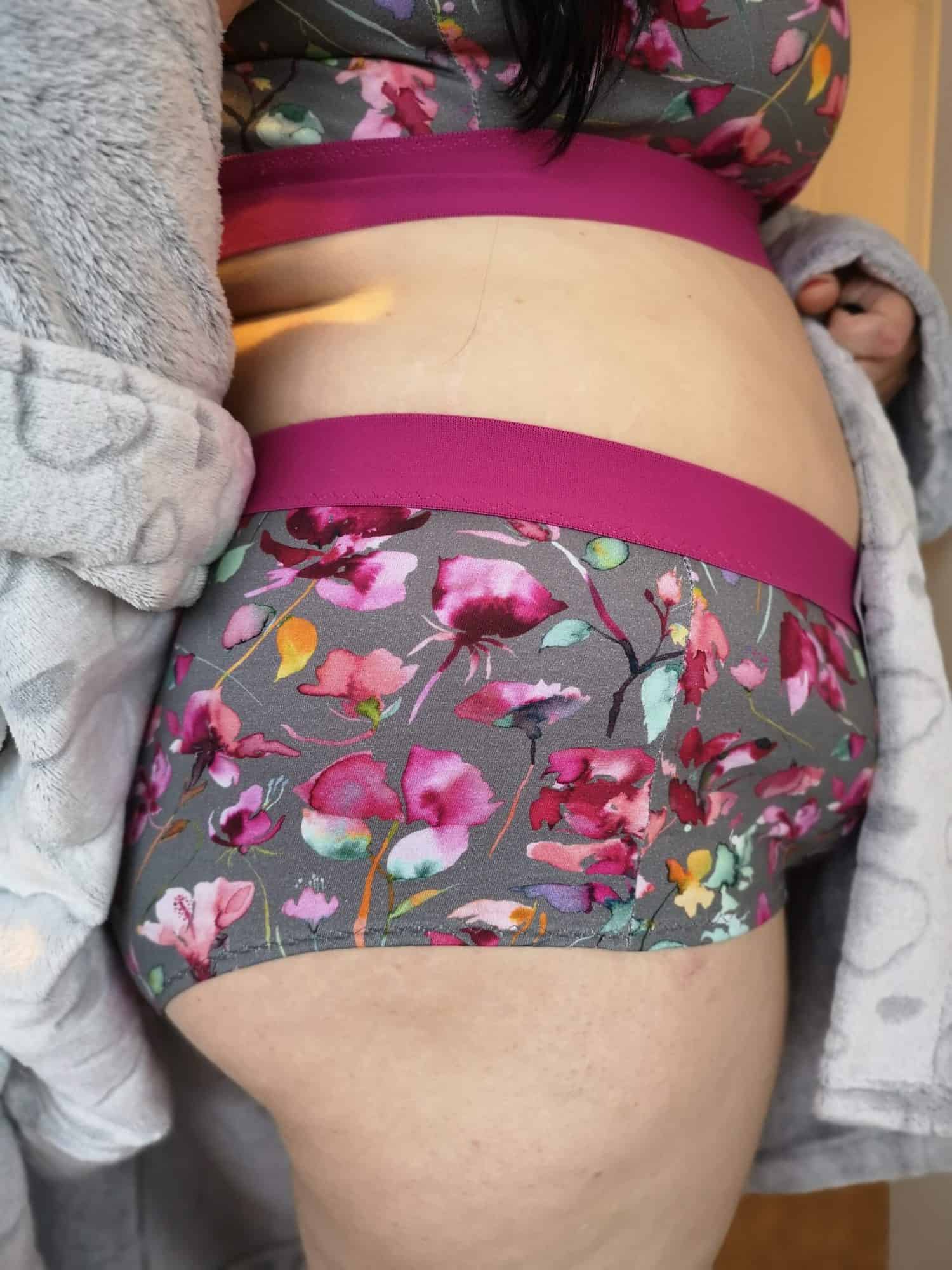
Lastly we’re going to talk about Soft Waistband Elastic.  You will probably recognise this as the type of elastic used on men’s boxers.  It is thick, soft, super stretchy and has great recovery and we use it both as the underbust band on the Fierce Bra and the waistband on the Fierce Undies.

Fierce Bra and Undies

You can either serge or sew the band on like a regular knit band, flip up and top stitch the seam down or you can just sew the band into a loop by butting the short ends together and then topstitch it right onto the top raw edge of the fabric, like in the picture above.  It makes sure your undies don’t shift all day whilst still being super comfortable to wear.  It comes in lots of different colours and some fun printed designs too and is designed to stay visible and not be sewn inside a casing.

Hopefully that has helped give you an idea of the types of elastic you might encounter whilst sewing and what yu may need them for.  Don’t forget to watch the video that accompanies this post for more examples to guide you and…

Happy Sewing!

Dana x

Filed Under: P4P University, Uncategorized Leave a Comment

P4P University- Waistbands

September 21, 2020

Ahoy Pirates! Today, we’re talking waistbands. We’ll cover some of the different types of waistbands that you’ll generally see in P4P patterns, the best fabrics and materials for constructing them, and some helpful tricks and tips to getting the very best results.

Types of Waistbands

There are many different types of waistbands out there in the wide world, but today I’ll cover some of the most common ones you’ll see in apparel sewing and in many P4P patterns.

First off, let’s talk about knit waistbands. These waistbands can be normal or high-rise, and are stretched to fit a garment’s waist.  Knit waistbands will need to be made with knits with excellent stretch and good recovery. You’ll want to look for fabrics like brushed polyester, cotton lycra, or cotton ribbing to make these. This type of waistband is easy to sew, with no casings, elastic or fancy stitching required. Hurray!

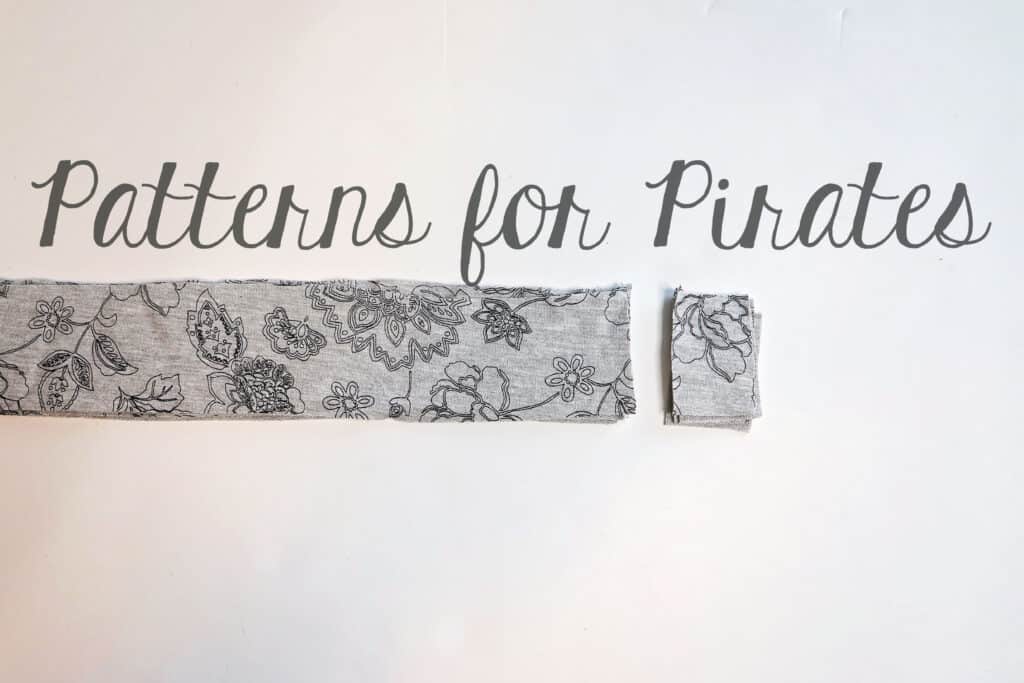
Generally with this type of waistband, you’ll line up the short ends of the waistband piece, right sides together, and stitch. Next, flip the waistband so the right side is up, then fold in half lengthwise, wrong sides together, and press. From there, you will quarter the band with pins and attach (more on quartering waistbands and other tips later)!


Here, I’ve used double brushed poly to sew a knit waistband onto a pair of Peg Legs. I’ve simply attached it by stretching it evenly, and sewing it to the garment with my serger, although a sewing machine will work just as well. Make sure to use a stretch stitch, like the lightening bolt, at the longest length setting!


Next up, we have  tall/yoga waistbands. Yoga waistbands are made and constructed similarly to regular knit waistbands, but are simply “taller” and meant to be folded over for a even more comfortable fit. I especially like using yoga waistbands on clothing for children, as they are super comfy to wear! Brushed polyester and cotton lycra are excellent choices for these. I’ve used a yoga waistband here on a pair of Baby Bear Joggers, using brushed polyester.


Next,  we have enclosed elastic waistbands. Generally, this type of waistband is used for knit garments that have a little less vertical stretch or recovery and need a little “help” holding the garment up around the wearer’s waist.

To construct, you will sew together the short ends of the waistband casing, right sides together. Next fold lengthwise, wrong sides together, and press. Set aside. Take your elastic piece, and sew short ends together, using instructions for the specific pattern being used. Generally, you will be instructed to either overlap the two short ends and sew, or “butt up” the ends- pushing them together and sewing with a wide zig-zag stitch, but not overlapping. Next you will slip the elastic loop into your knit waistband casing, and sew together as one piece onto your garment. You may topstitch this seam afterwards, if desired.

Here, I’ve made a pair of SOS Knit Pants with an enclosed elastic waistband. Although the fabric I used was a jegging material with little vertical stretch, the added elastic I used helps give the little bit of extra “oomph” needed to keep the pants up around my waist and snug-fitting.


Another style of waistband you’ll see often in apparel sewing is exposed elastic waistbands. These are waistbands that you’ll see in many applications, such as athletic shorts or undergarments. These will be generally created using plush back, underwear, or soft waistband elastics. It’s important to use these types of elastic, especially for undergarments, as they are much more comfortable and soft, and elastic will be up directly against the wearer’s skin.

On patterns such as the Fierce Undies pictured here, the elastic used will be “butted” together before being sewn, not overlapped. This is because overlapping will make the exposed elastic waistband too bulky.


Tips and Tricks

Just as there are many different types of waistbands out there in the sewing world, there are just as many tips to make sewing them easier! Here are just a few to help you along the way:

1. With knit, yoga, and enclosed elastic waistbands, serge or baste the raw edges together once you’ve folded lengthwise, wrong sides together, and before attaching to the garment. This will essentially take those two layers of fabric of the folded waistband and turn them into one, making it easier to attach them to the garment in a clean and professional-looking way. Remember, if you serge the raw edges of your waistband before attaching it to your garment, DO NOT CUT ANY OFF!

2. ALWAYS quarter your waistbands before attaching them to a garment! What is quartering? It’s equally dividing the waistband into fourths, so you can better ensure that the waistband will be evenly stretched across the garment’s waist.  It’s easy to do:

 First, sew the waistband or elastic together at the short ends, as directed by the pattern. Pin or mark the point of the seam.

Next,  fold in half to find the half point. Pin or mark the half point.

Now, take the two marked points (the seam and half point) and fold the waistband or elastic so that they meet in the center. Pin or mark the folded edges on either side to find the quarter points.

And there you have an evenly quartered waistband! This might sound like an extra step, but trust me, it’s one that will save you time by                          ensuring that you don’t have an unevenly stretched waistband (hello, seam ripper!) and will give you the most professional- looking finish.


3. SAVE your scraps! Especially with youth apparel, waistbands usually take very little fabric, and can be excellent scrap-busters. So next time you make something with a stretchy fabric with great recovery, make sure to stash those extras away for a rainy day!


That’s it for now! Just a few examples of some of the waistbands you’ll encounter while sewing some gorgeous, handmade apparel. No matter which waistband is required for your pattern, always make sure to quarter those bands, have fun, and share your beautiful makes with us over at Patterns for Pirates’ Facebook page!
Caitlin

Filed Under: Frequently Asked Questions, P4P University, Uncategorized Leave a Comment

  • « Previous Page
  • 1
  • …
  • 26
  • 27
  • 28
  • 29
  • 30
  • …
  • 68
  • Next Page »

connect with me

  • Email
  • Facebook
  • Instagram
  • Pinterest
  • YouTube
Privacy & Cookies: This site uses cookies. By continuing to use this website, you agree to their use.

To find out more, including how to control cookies, see here: Cookie Policy
  • Privacy Policy
  • Refund Policy
  • Contact Us
  • About

Copyright © 2026 Patterns for Pirates

Copyright © 2026 · Genesis Framework · WordPress · Log in