Patterns for Pirates

P4P stylish, modern, wearable patterns

  • Home
  • Blog
    • Frequently Asked Questions
    • Pattern Releases
      • Free Patterns
    • P4P University
      • Fitting
      • Sewing with Stretch, Knit Fabrics
      • Sewing with Woven Fabrics
      • Sewing Machines
    • Sew-A-Longs
    • Fabric for Pirates
    • Pattern Hacks
    • Announcement
      • Blog Tours
      • Contest/Giveaway
  • Shop
  • Bundle Discounts
  • Flash Friday
  • Gift Cards
  • My Account
  • Cart

P4P University Color Blocking Tips and Tricks

February 1, 2021

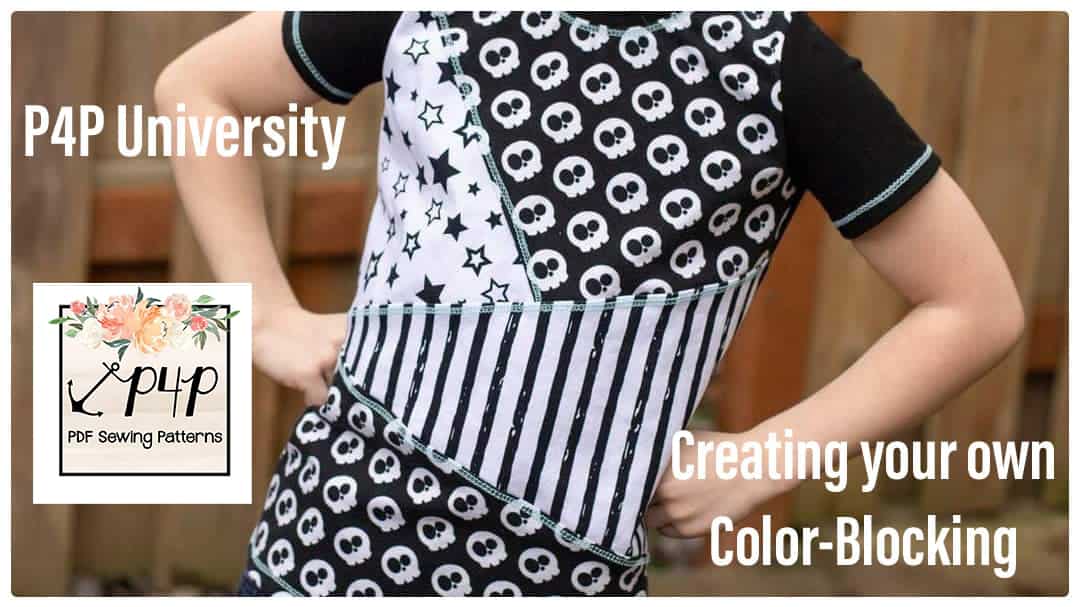
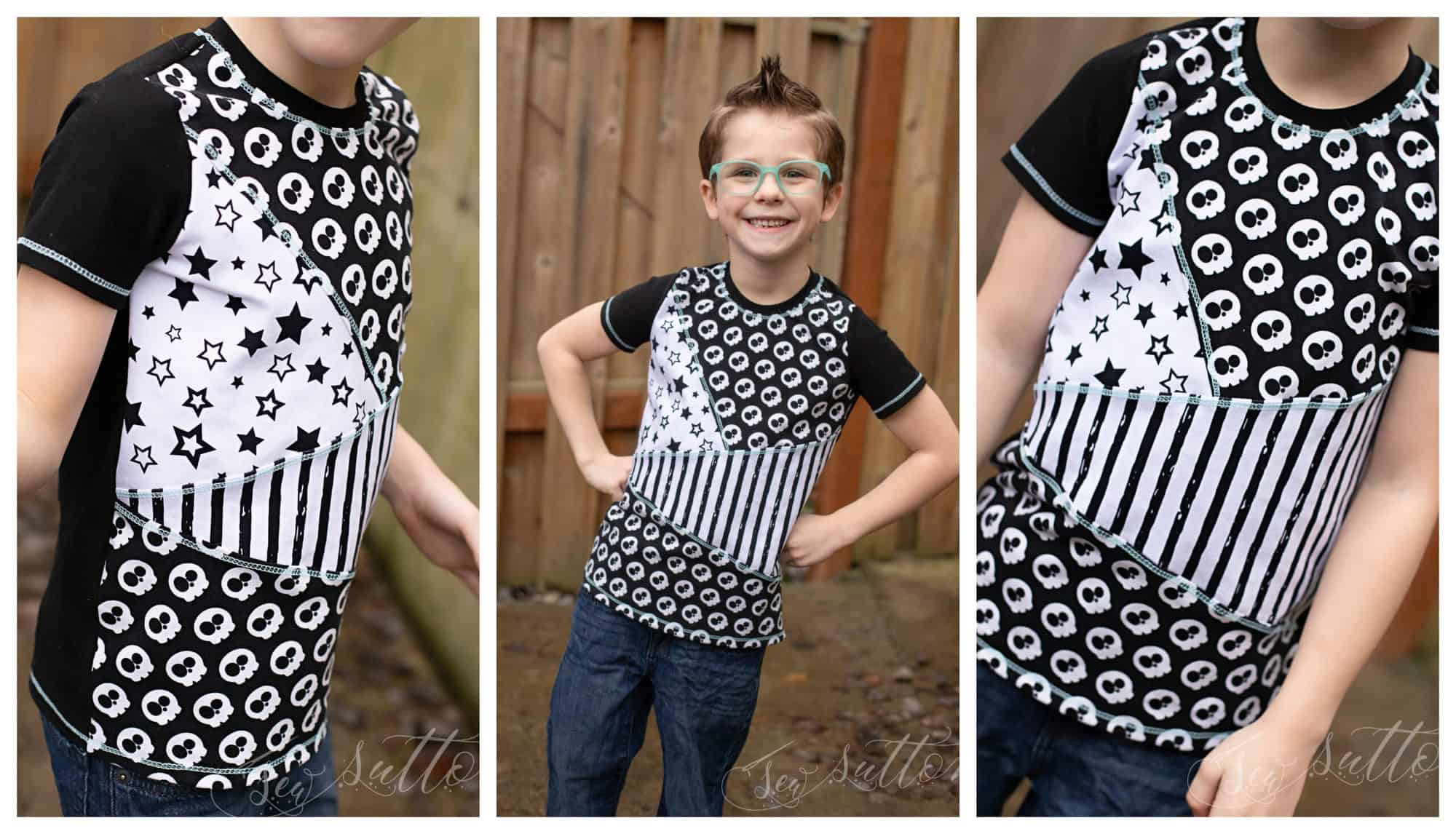
Hello, fellow sewing friends! I’m super excited to talk to you today about color blocking.  As long as I’ve been in the sewing world color blocking has always been really popular.   A lot of patterns even include it!   But what if your favorite p4p pattern doesn’t have any color blocking options?   Well, today I’m going to teach how to easily do it yourself!    If you aren’t familiar with color blocking, it’s basically just adding interesting unique blocks of different fabrics to your pattern without altering the fit.  It’s a great way to spice up a regular t-shirt, use up some scraps, and make for some fun visual art.  You can color block anything from sleeves, front bodice, back bodice, legs, hoods, if it has a pattern piece- you can color block it. Now, let’s get started!

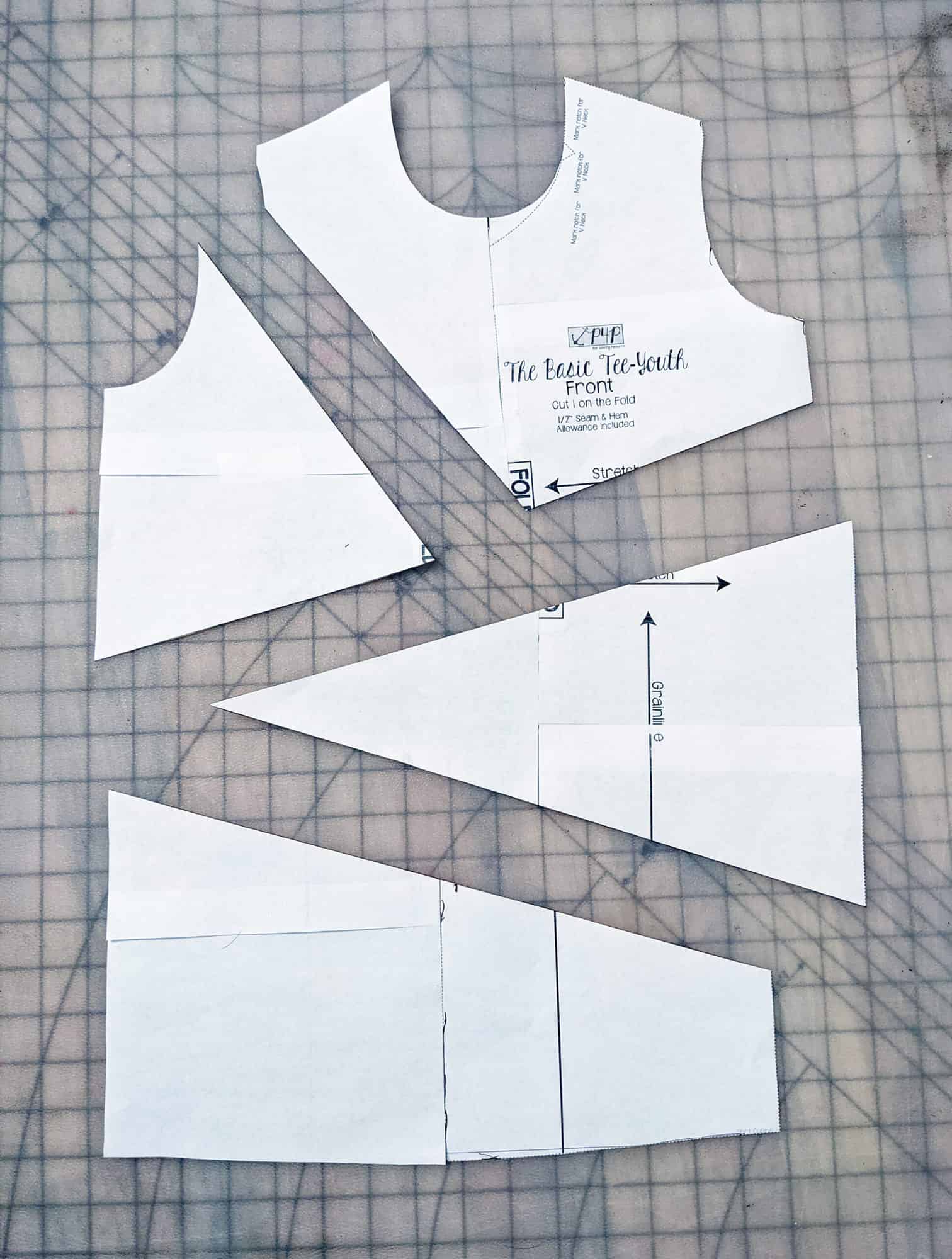
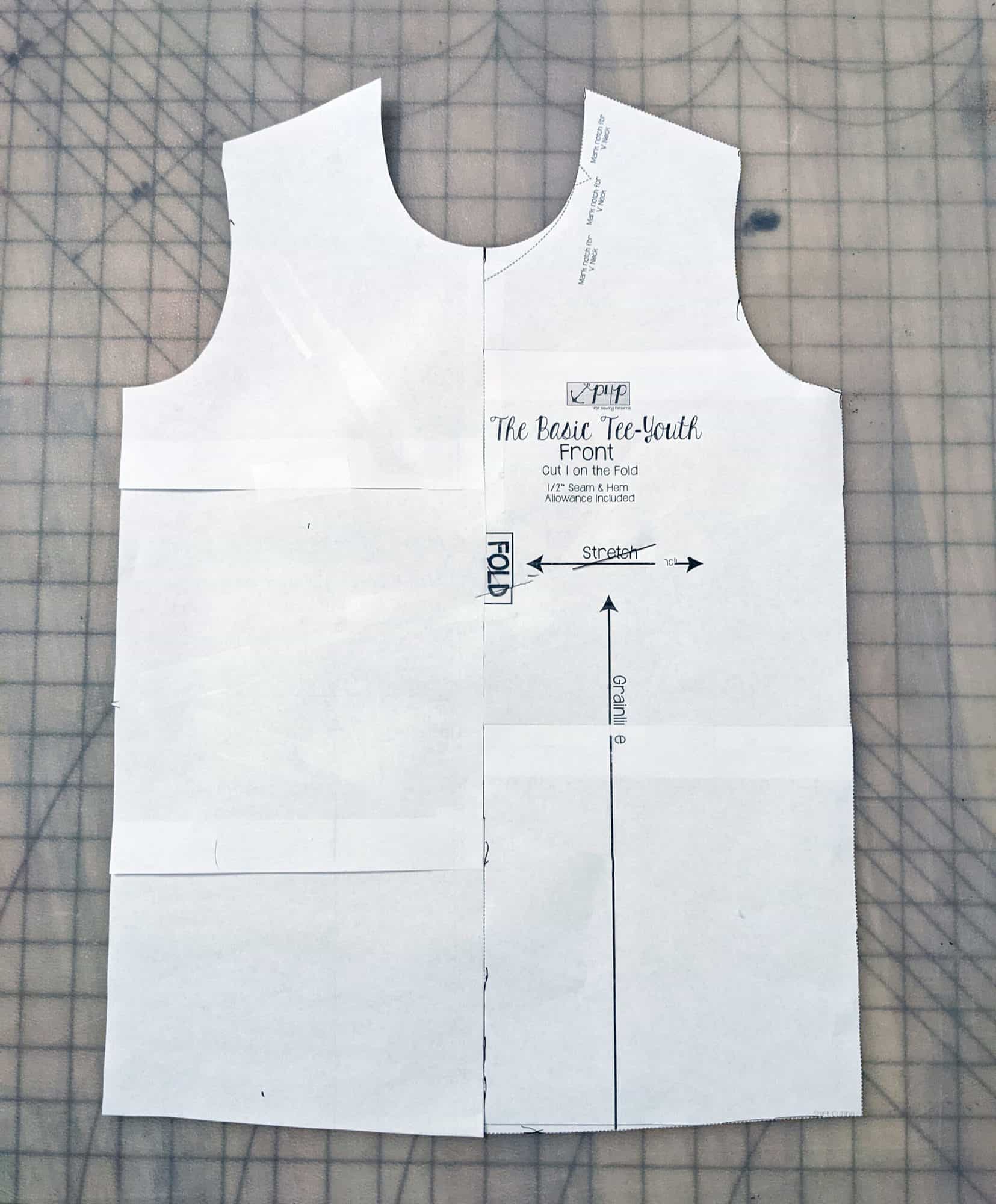
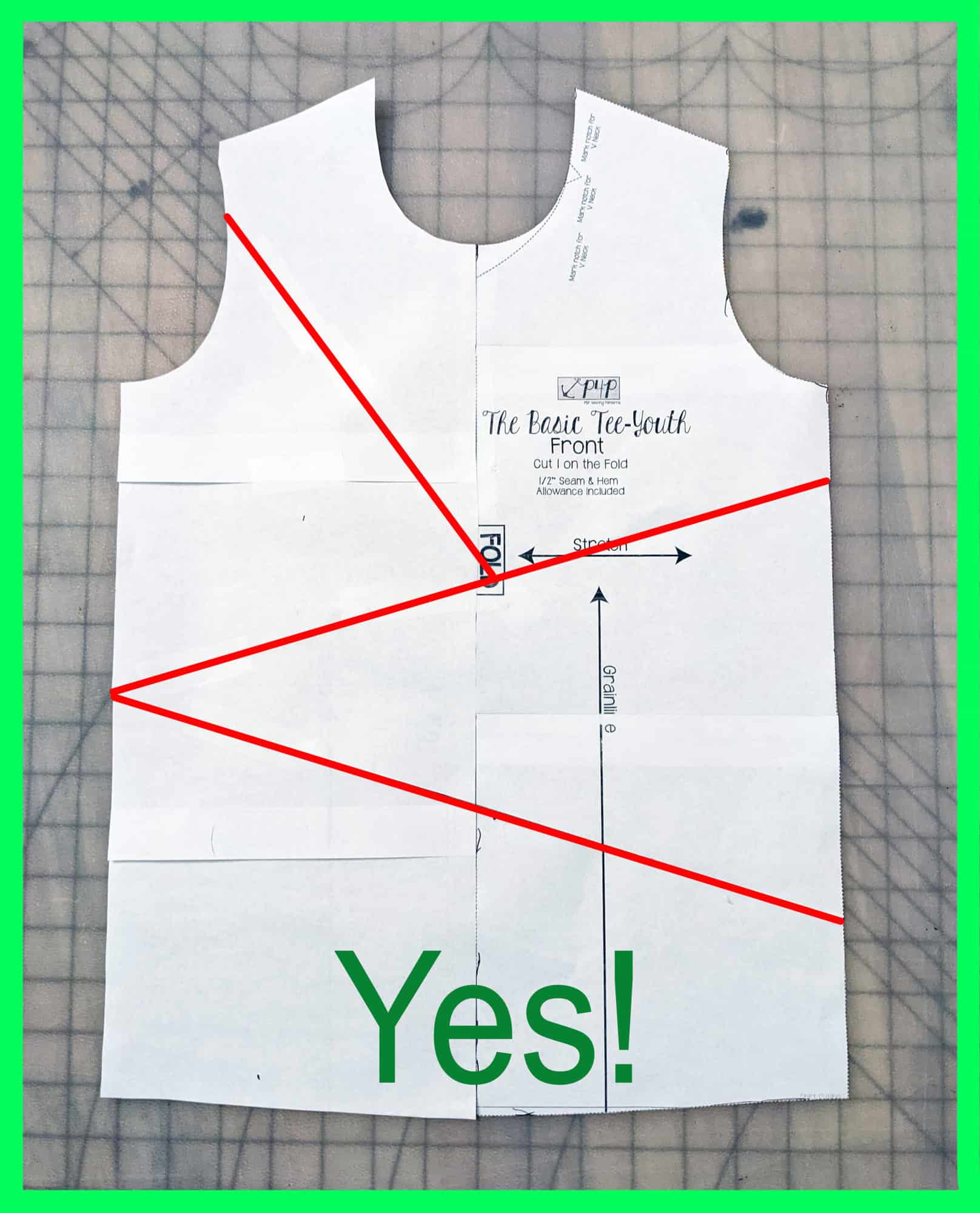
First, you’ll want to pick your pattern and print out your chosen size.   (If you are using a projector you can do it but I highly recommend printing whatever piece you want to color block.  For my example, I color-blocked just the front bodice so I printed that and then used my projector to cut the rest of my pieces. )  Now if you plan on doing any “angled” color blocks and your pattern piece is on a fold- I recommend tracing the mirror image and attaching it to your piece so you have the “full piece”.   I used The Basic tee for my son and chose to only block the front of the shirt.

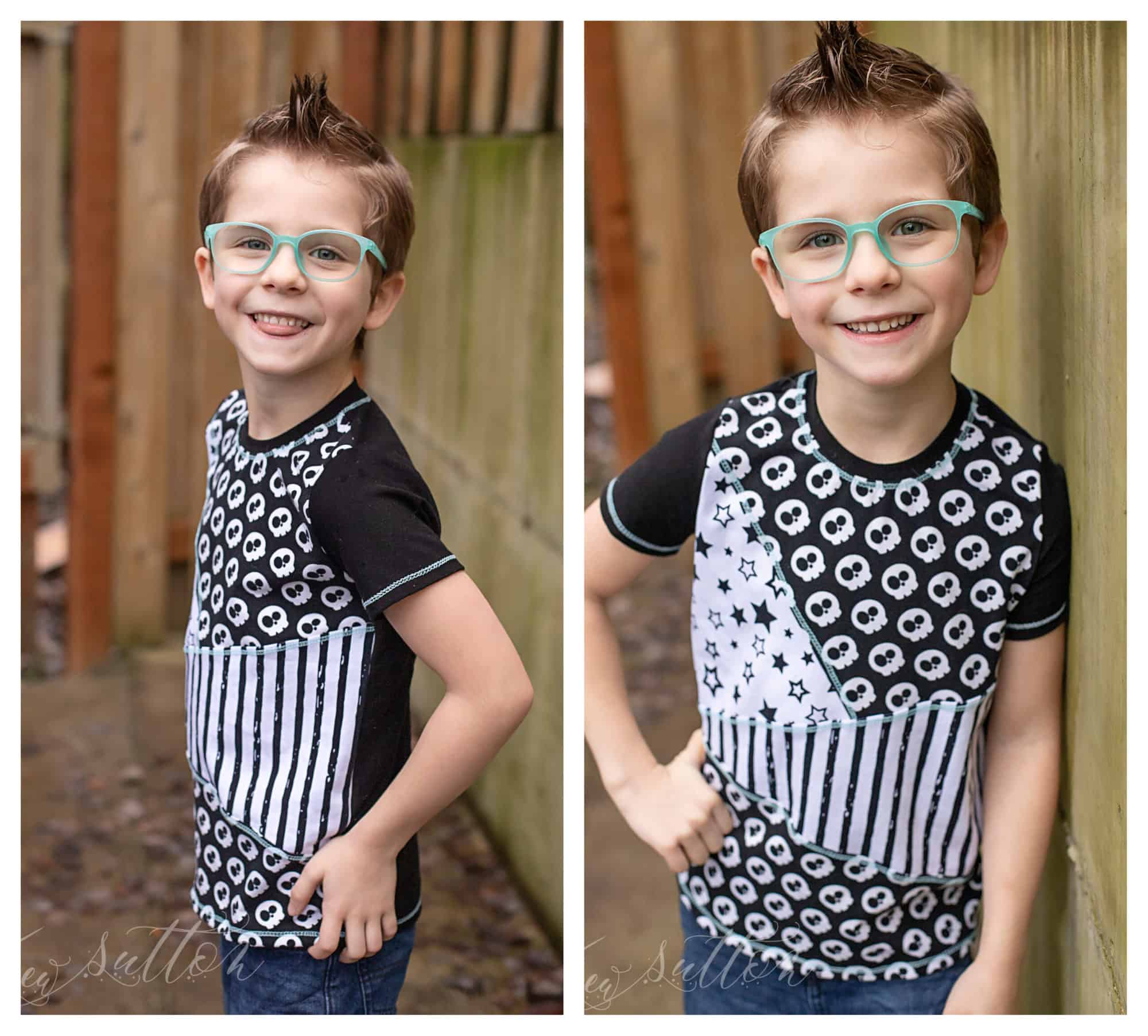
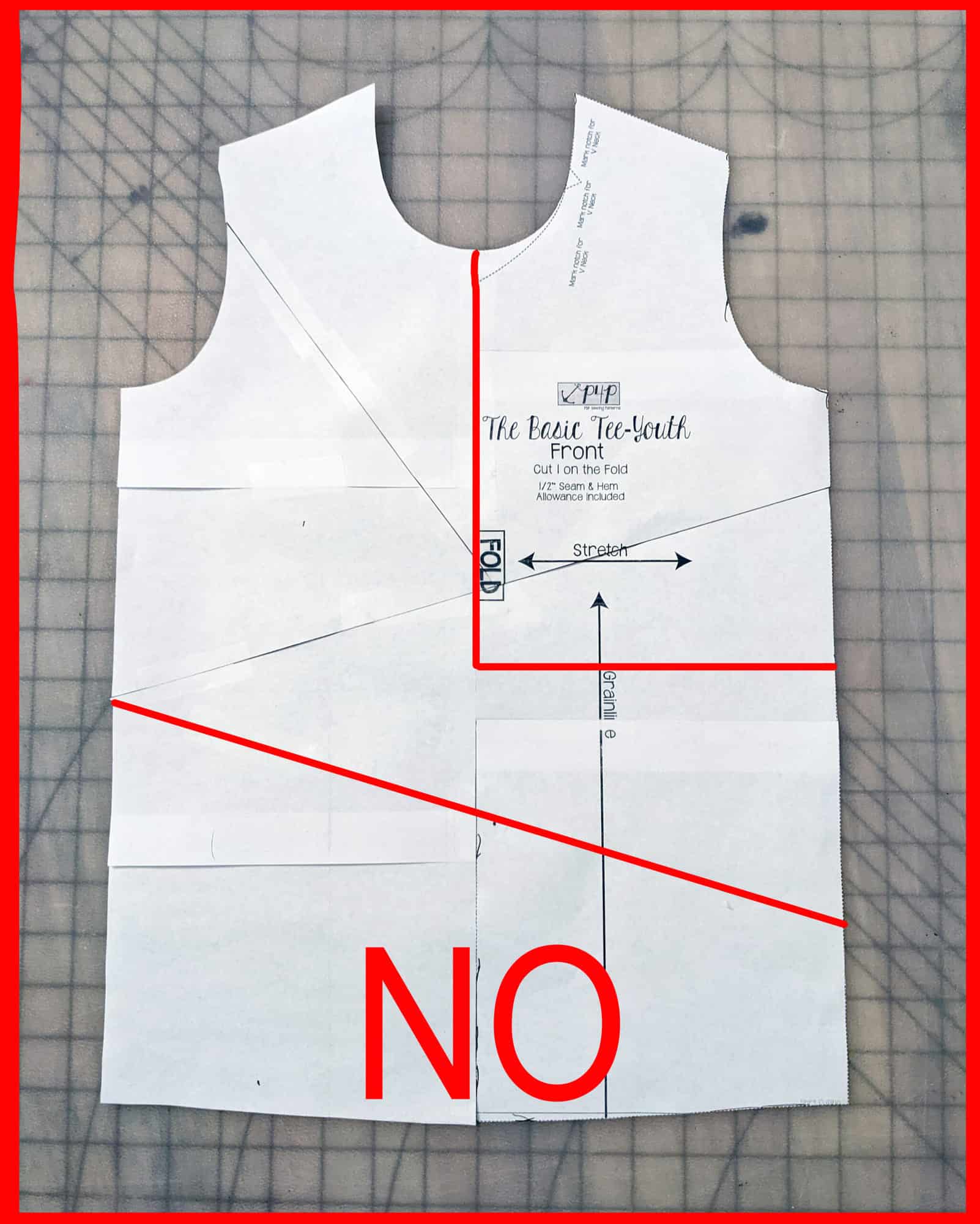
Now the fun part-  Choosing your color block!  Honestly, you can really do anything so just start drawing!  I use a straight edge to make sure my lines are nice and tidy (easier to sew that way).  The only thing I would avoid is really complicated shapes or anything like a floating “v-point” that doesn’t reach an end (you can see my example below in the red no box). If you are new to this technique I’d start simple to get the hang of it and then you can expand from there. This is what I drew out and what will be the final “look” of my shirt.

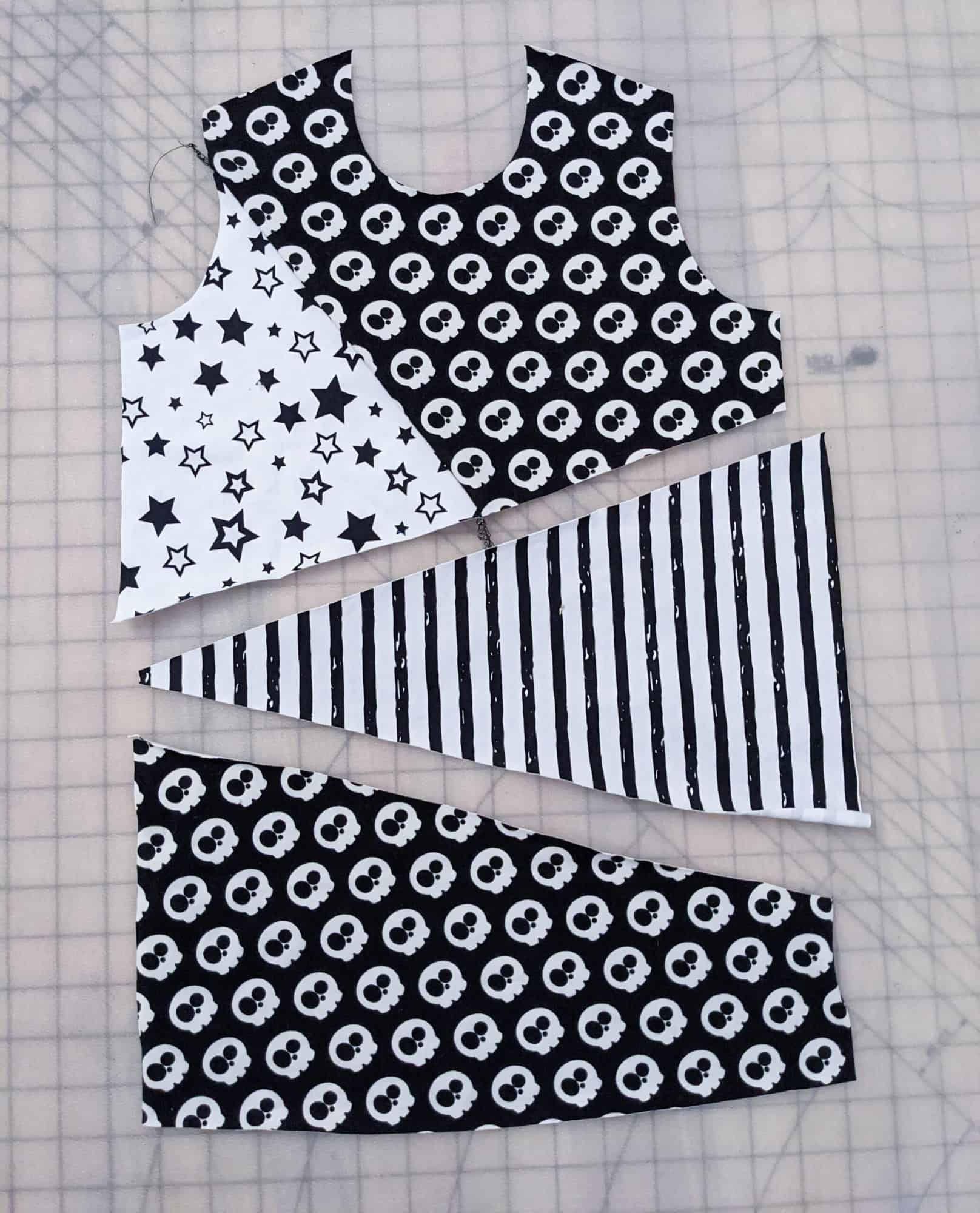
Once you’ve drawn your color-blocked lines you’ll want to cut them all out and these are your new pieces. Decide which fabric you want for what piece and it’s time to start cutting.

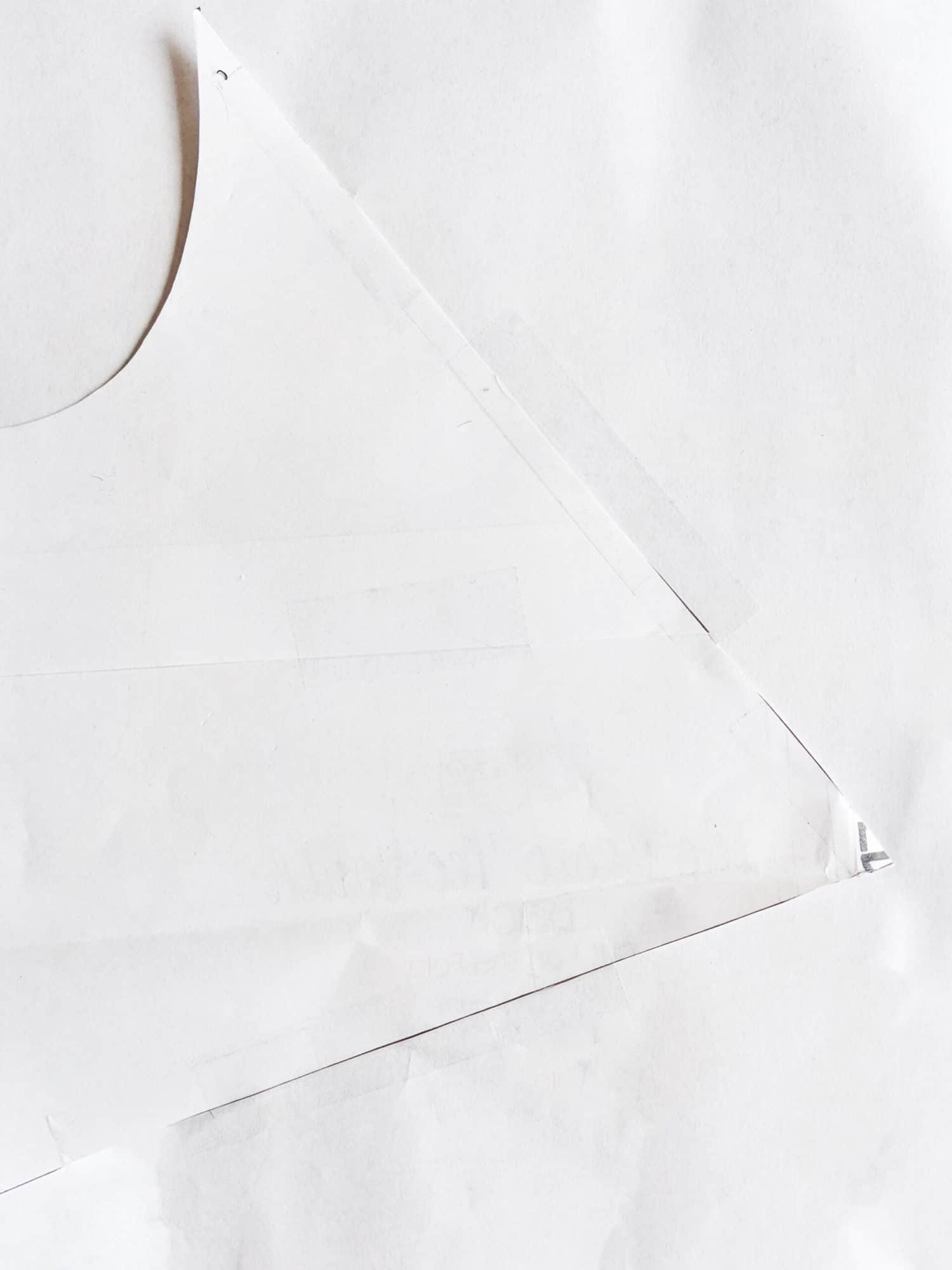
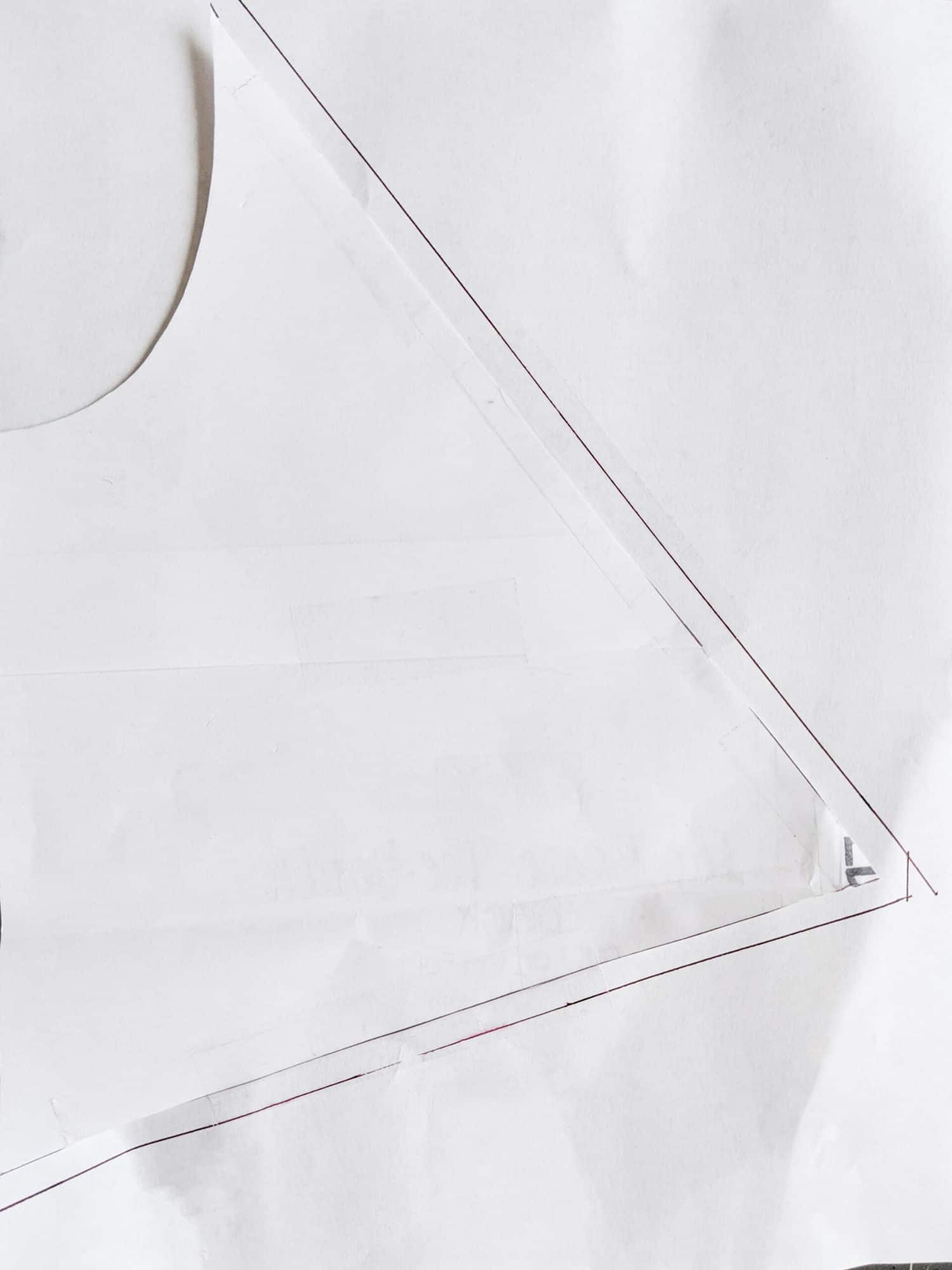
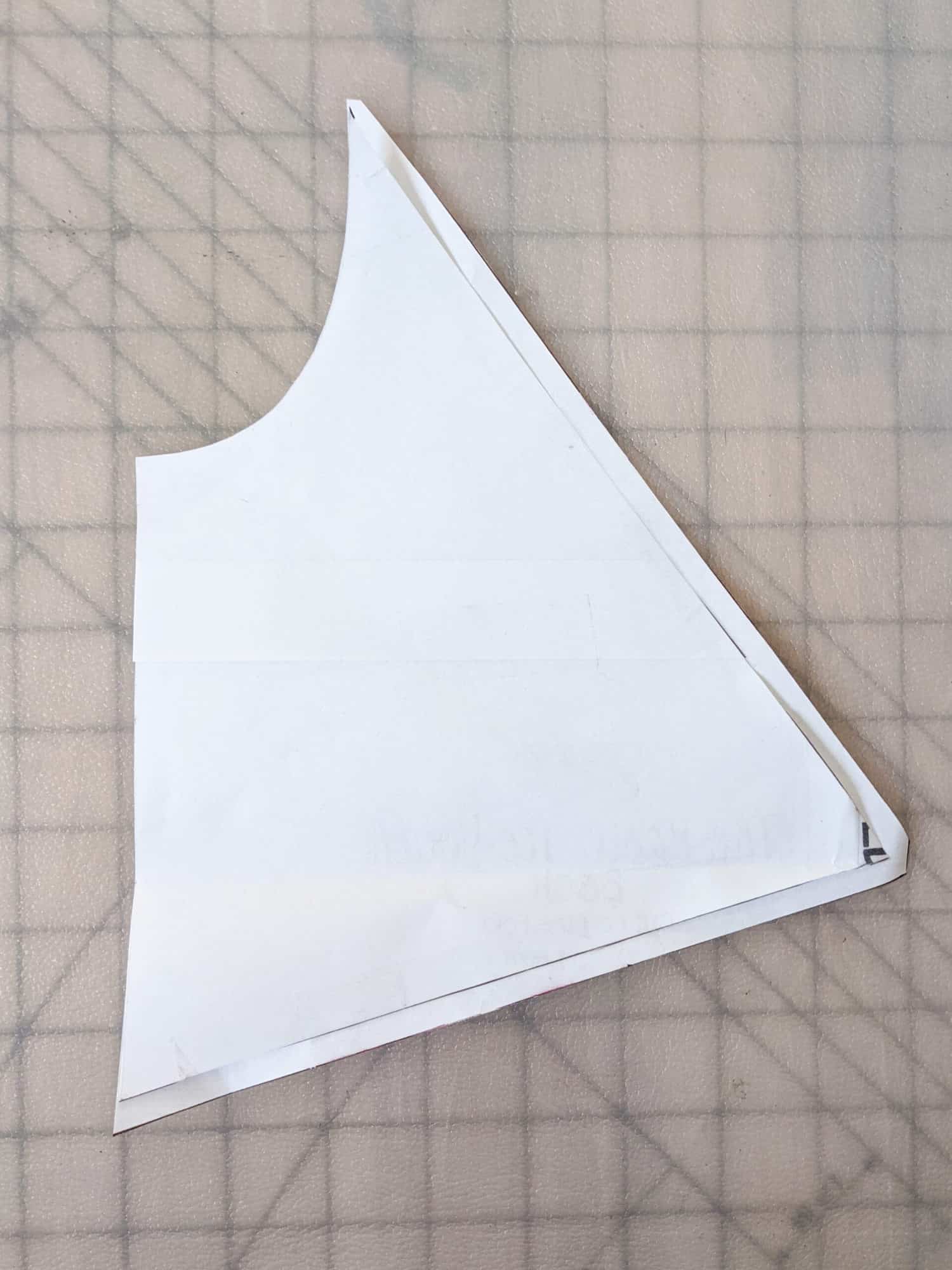
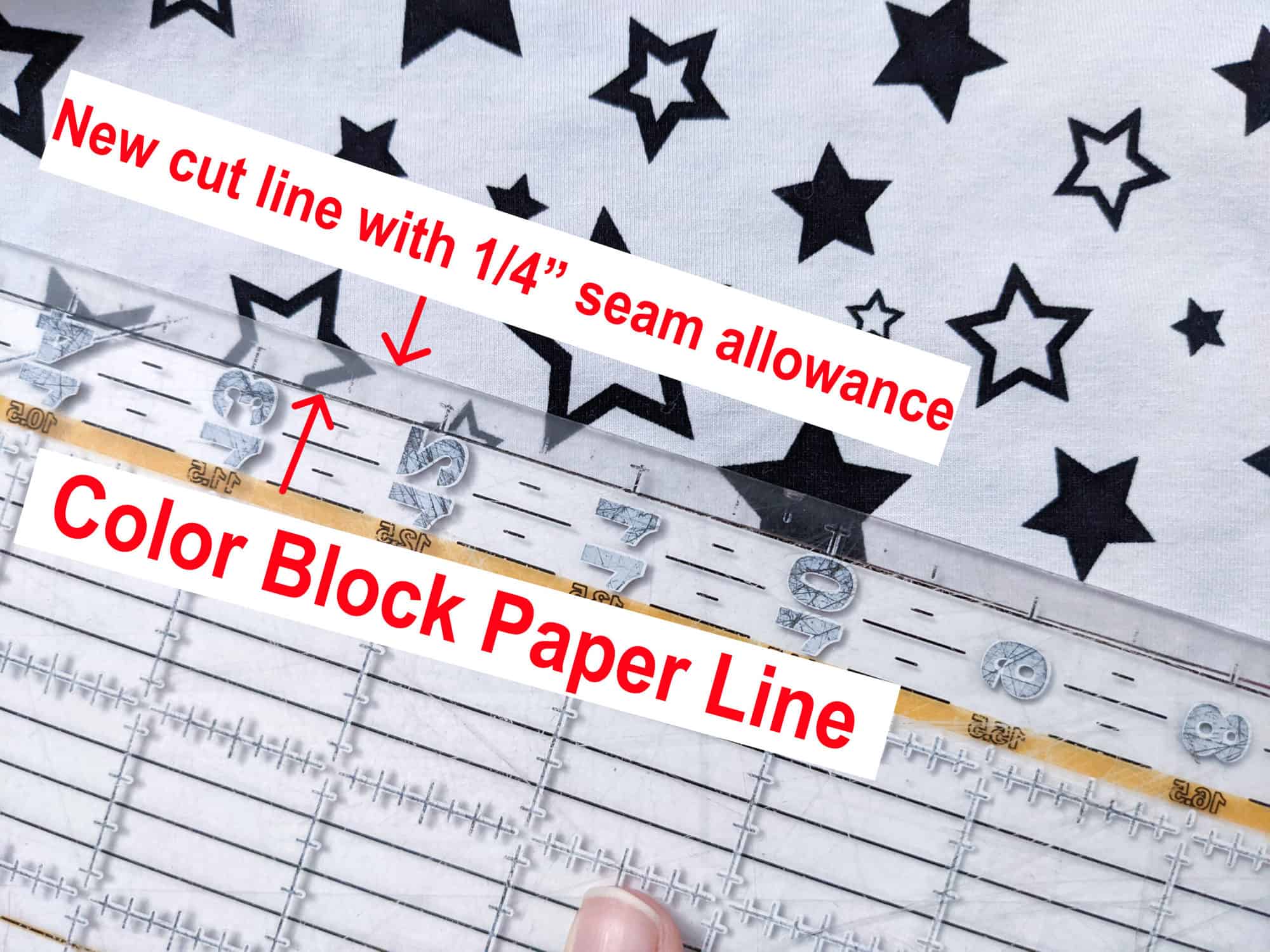
Now here’s the most important part-   You’ll need to add seam allowance to those pieces. You can choose whatever amount but I usually go with 1/4 inch.  Now you can either do this by laying your new pieces on a piece of paper and adding it to that piece so it becomes part of your pattern piece.


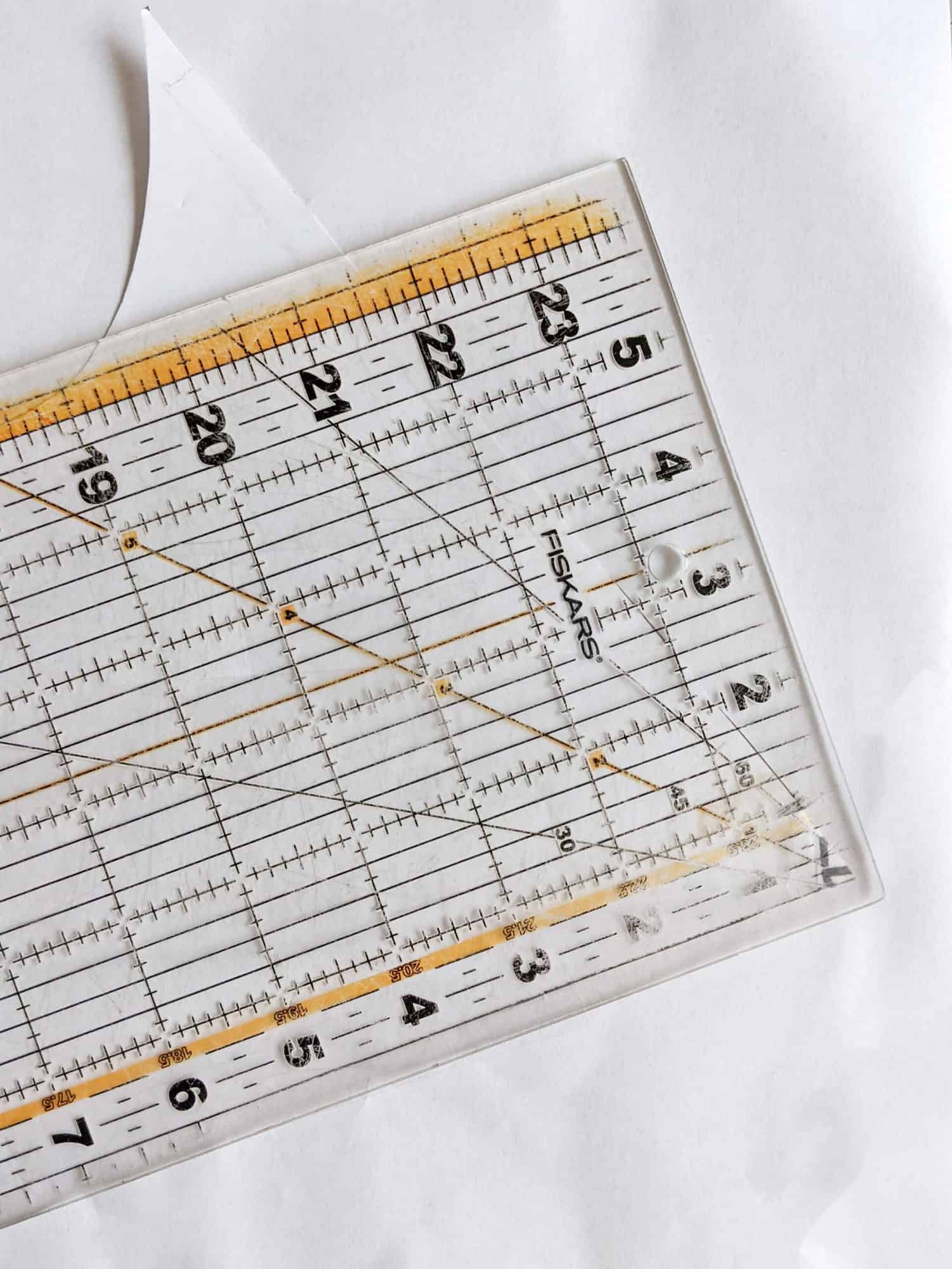
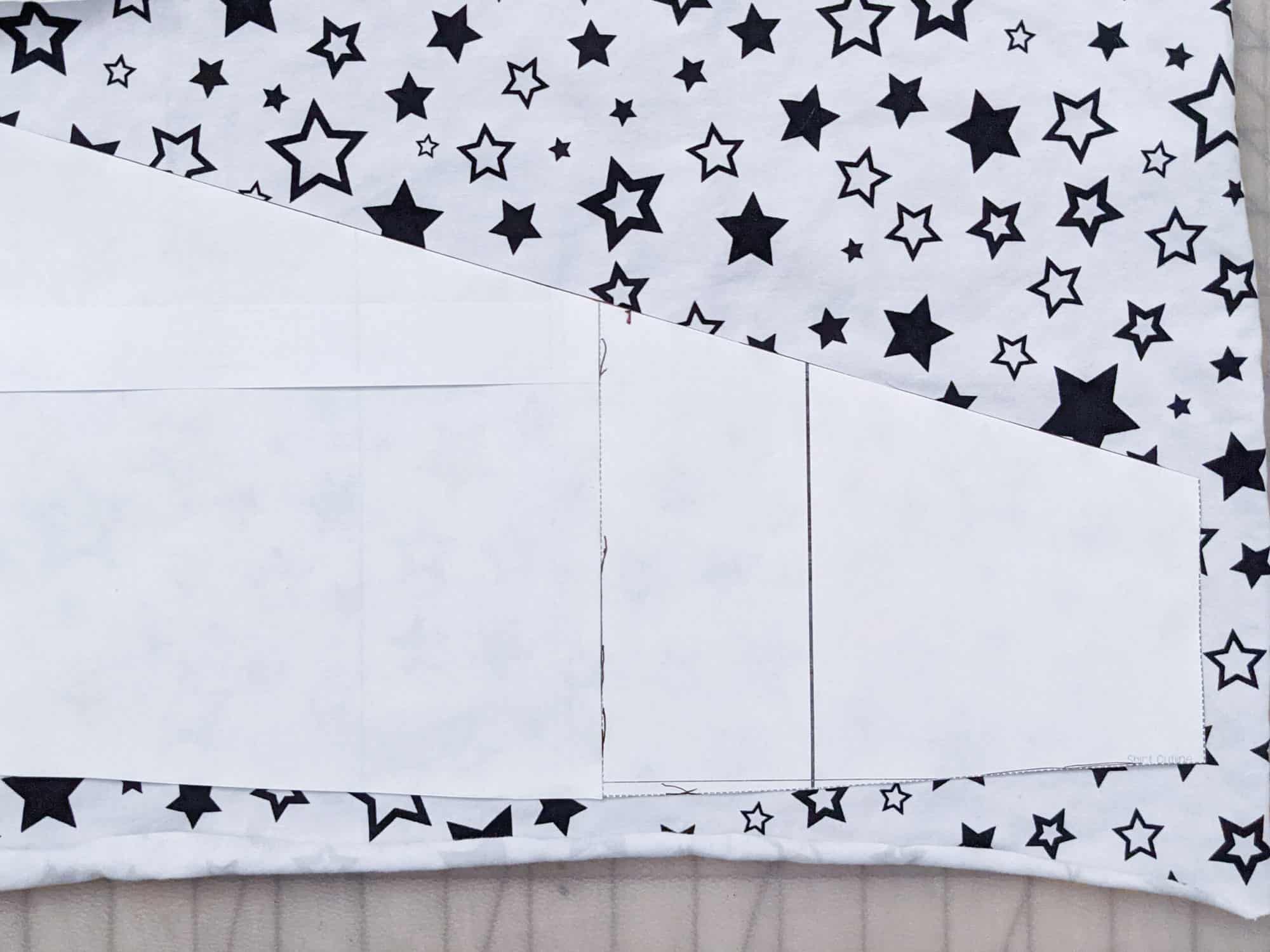
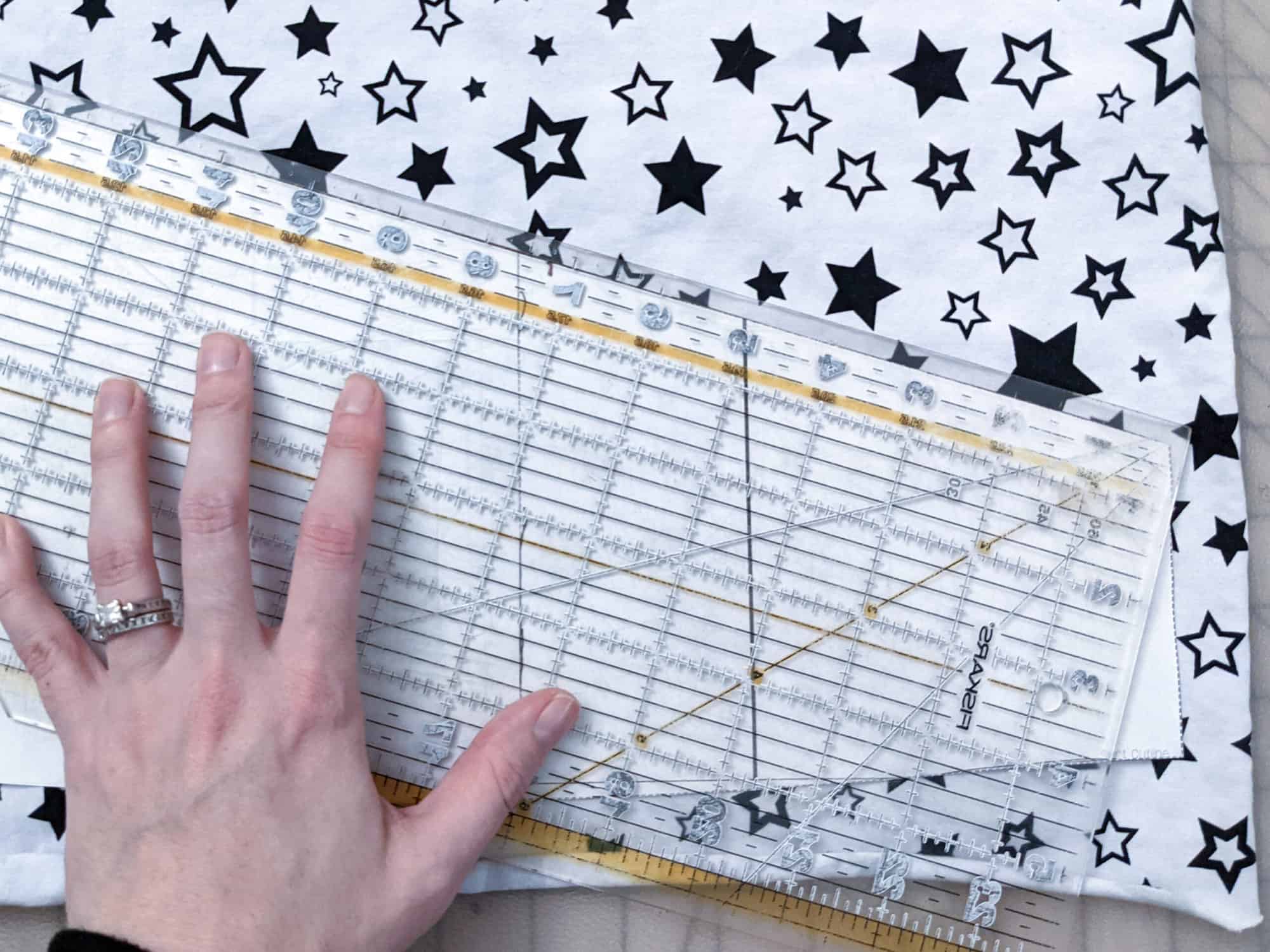
Or what I do is simply use my quilting ruler while cutting to add it to my piece. So for the cut part of my piece that needs seam allowance, I just line my quilting ruler 1/4 over my cut paper line and then use my rotary blade to cut that line instead of my paper line.

Make sure you add seam allowance to every place that you cut out a color block line on your pattern piece.

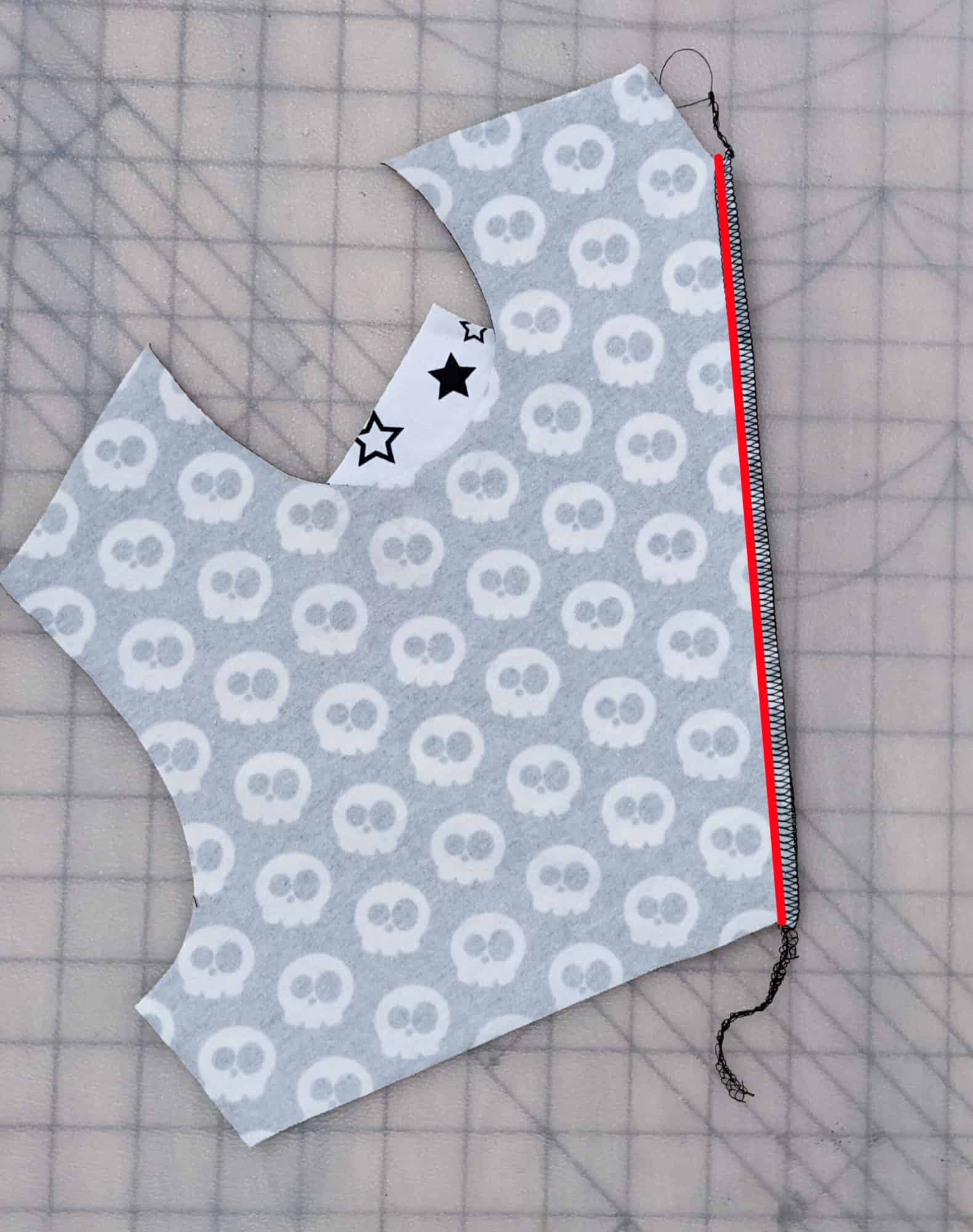
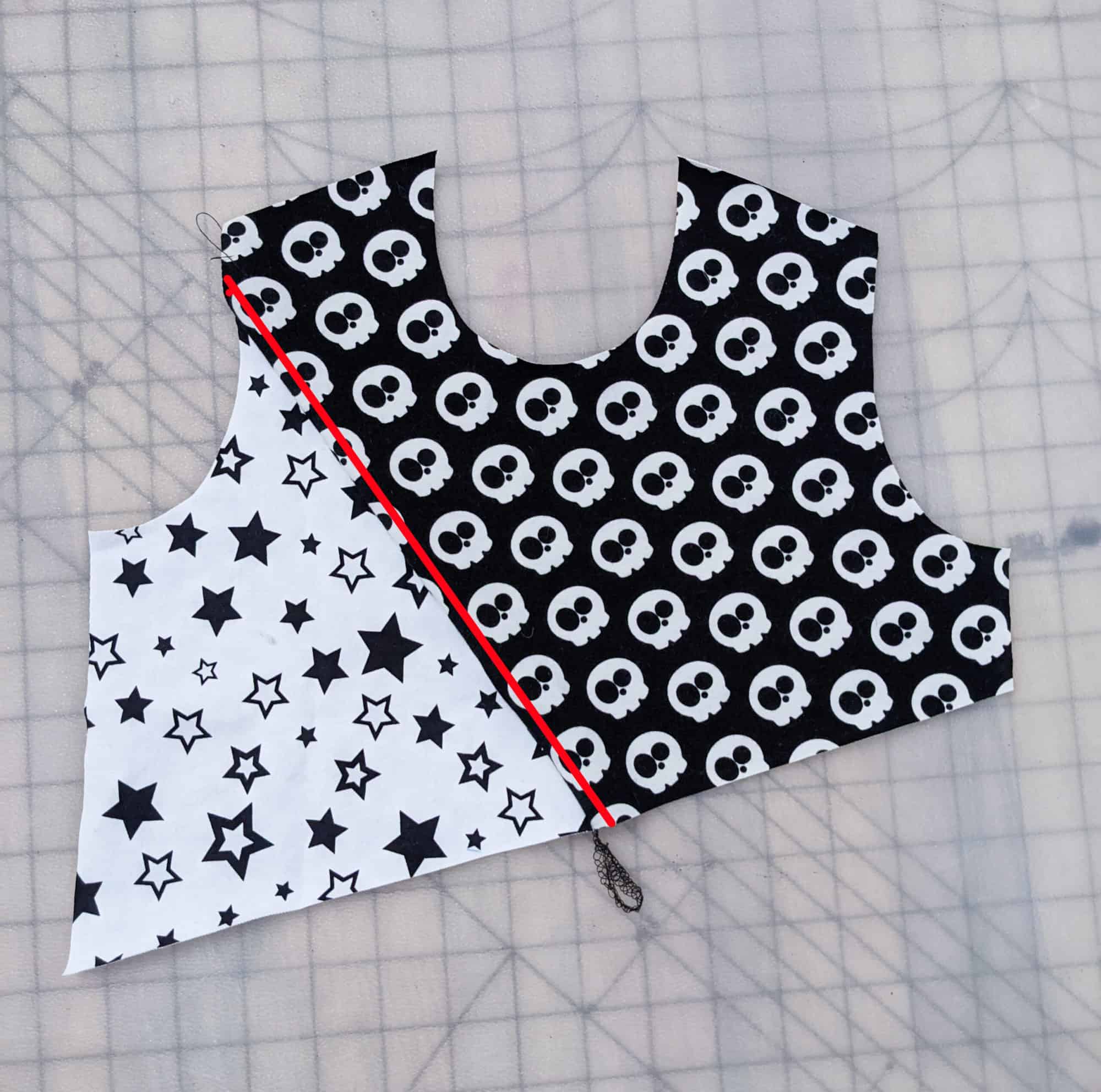
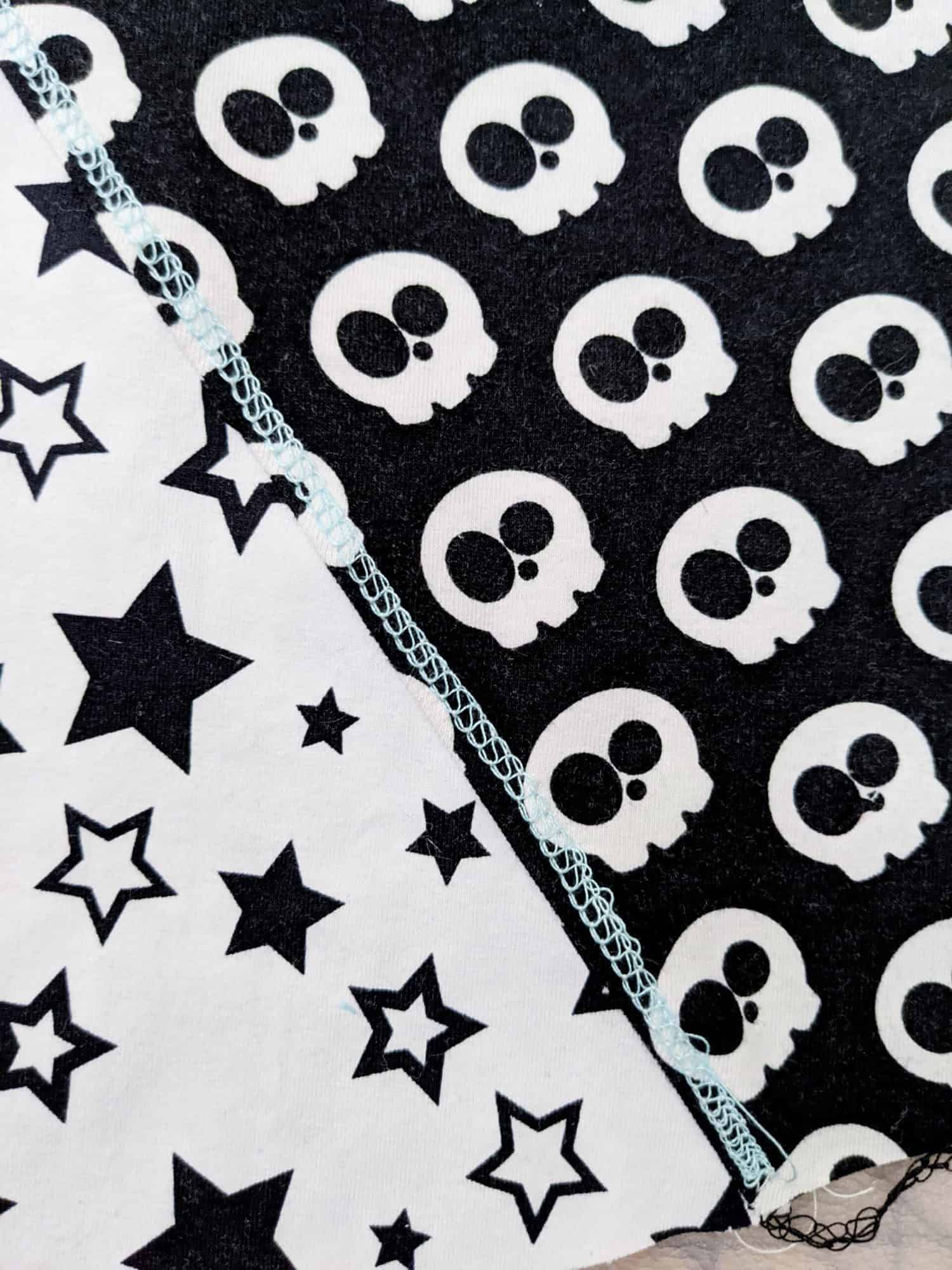
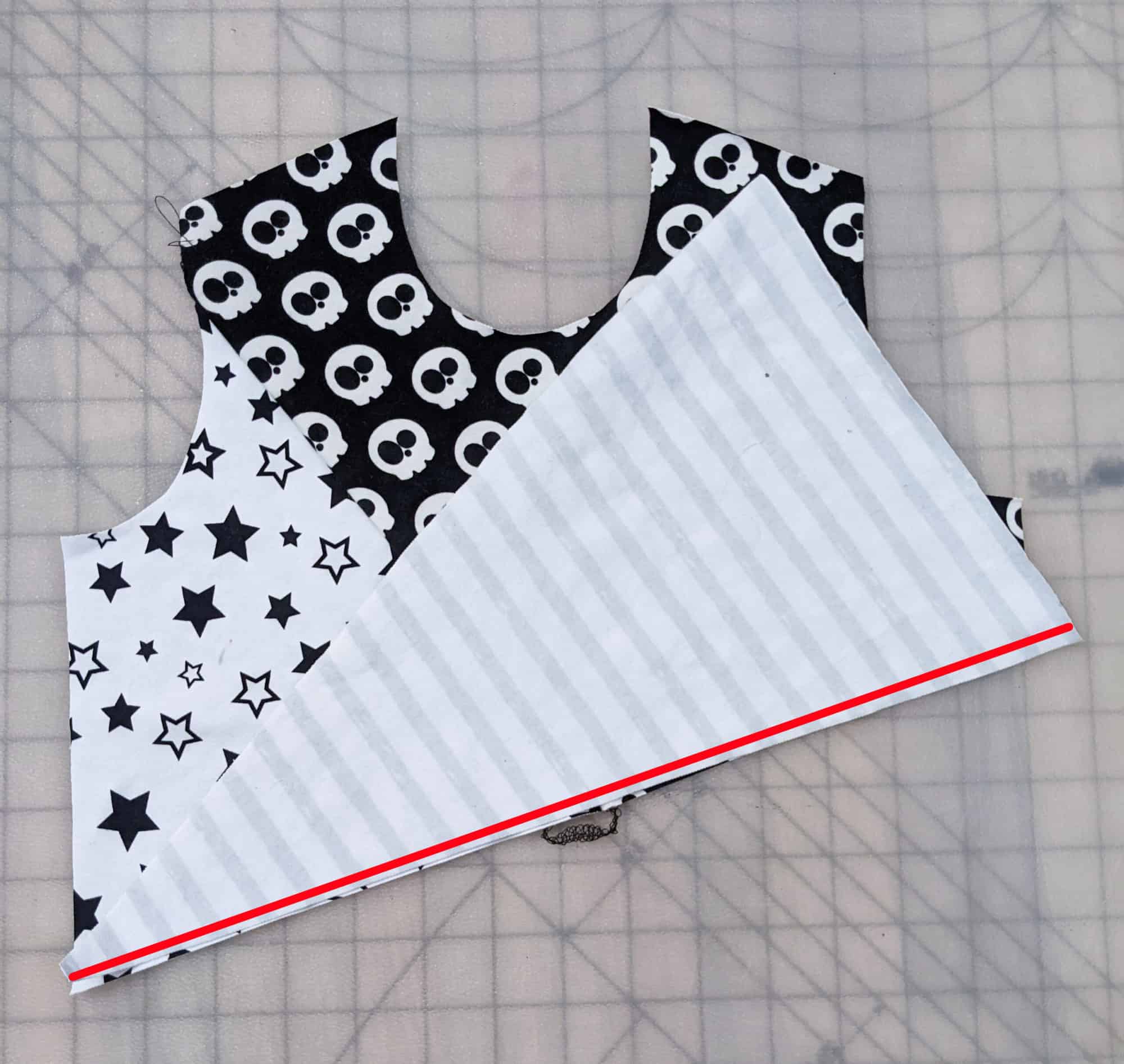
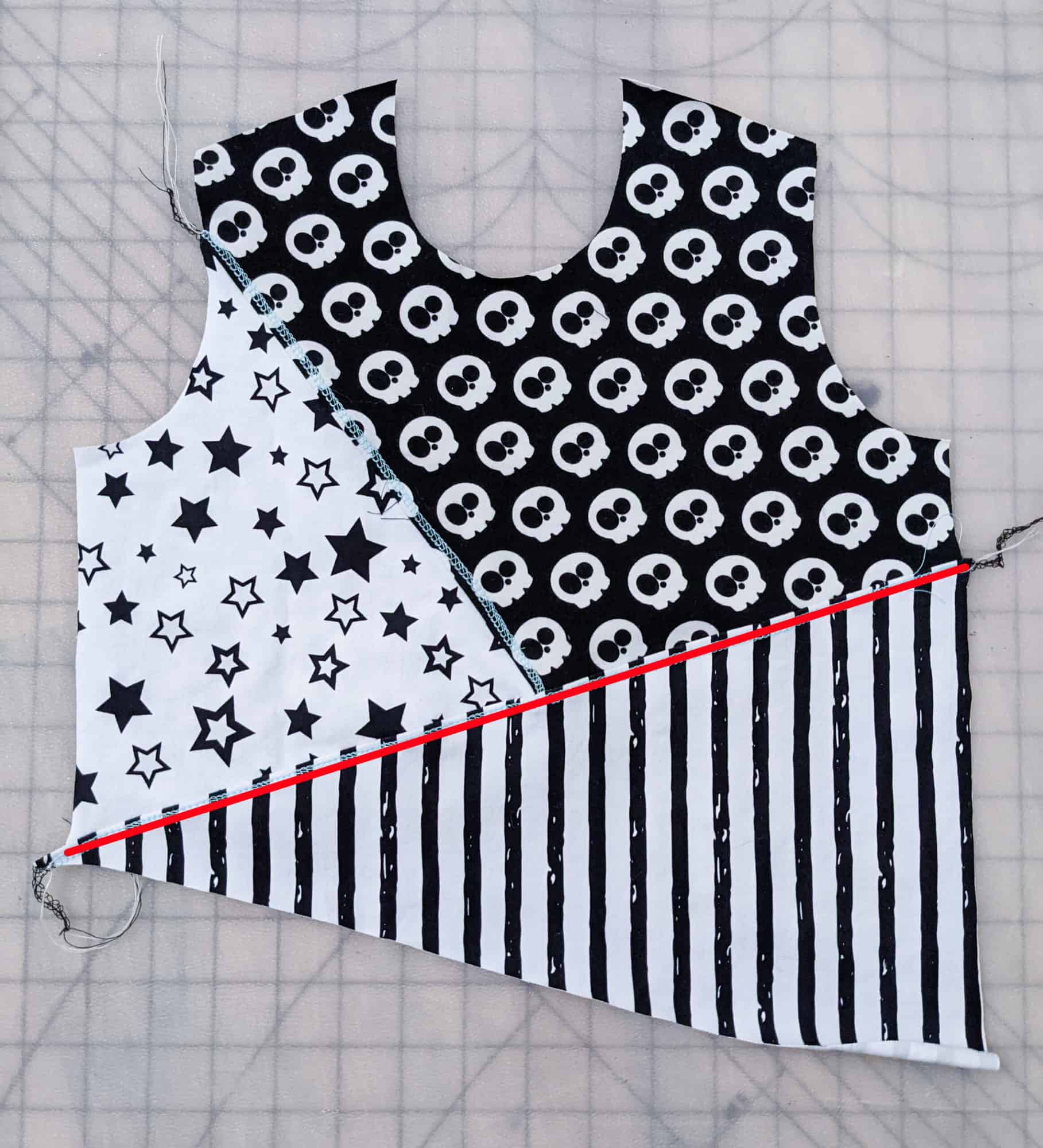
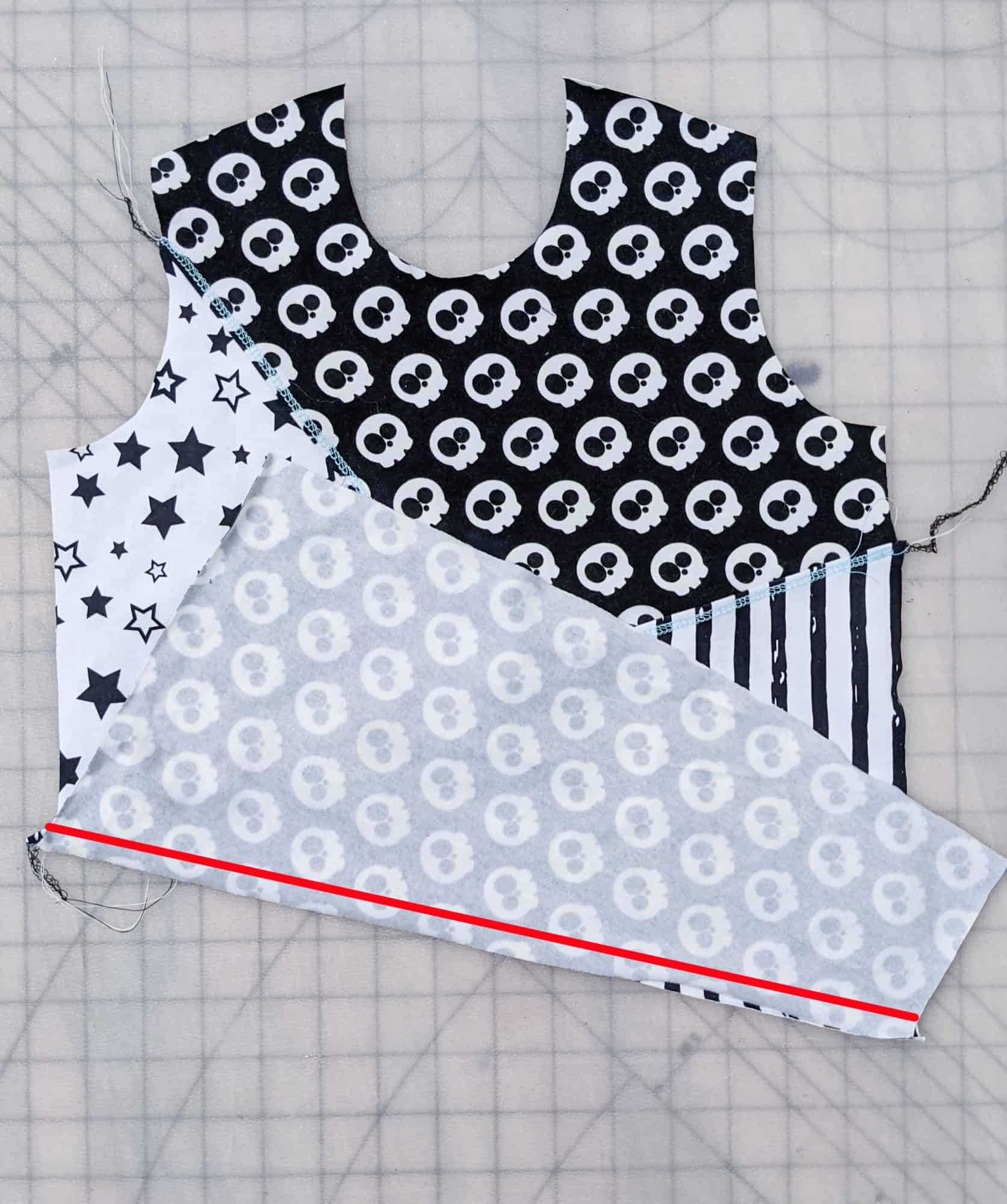
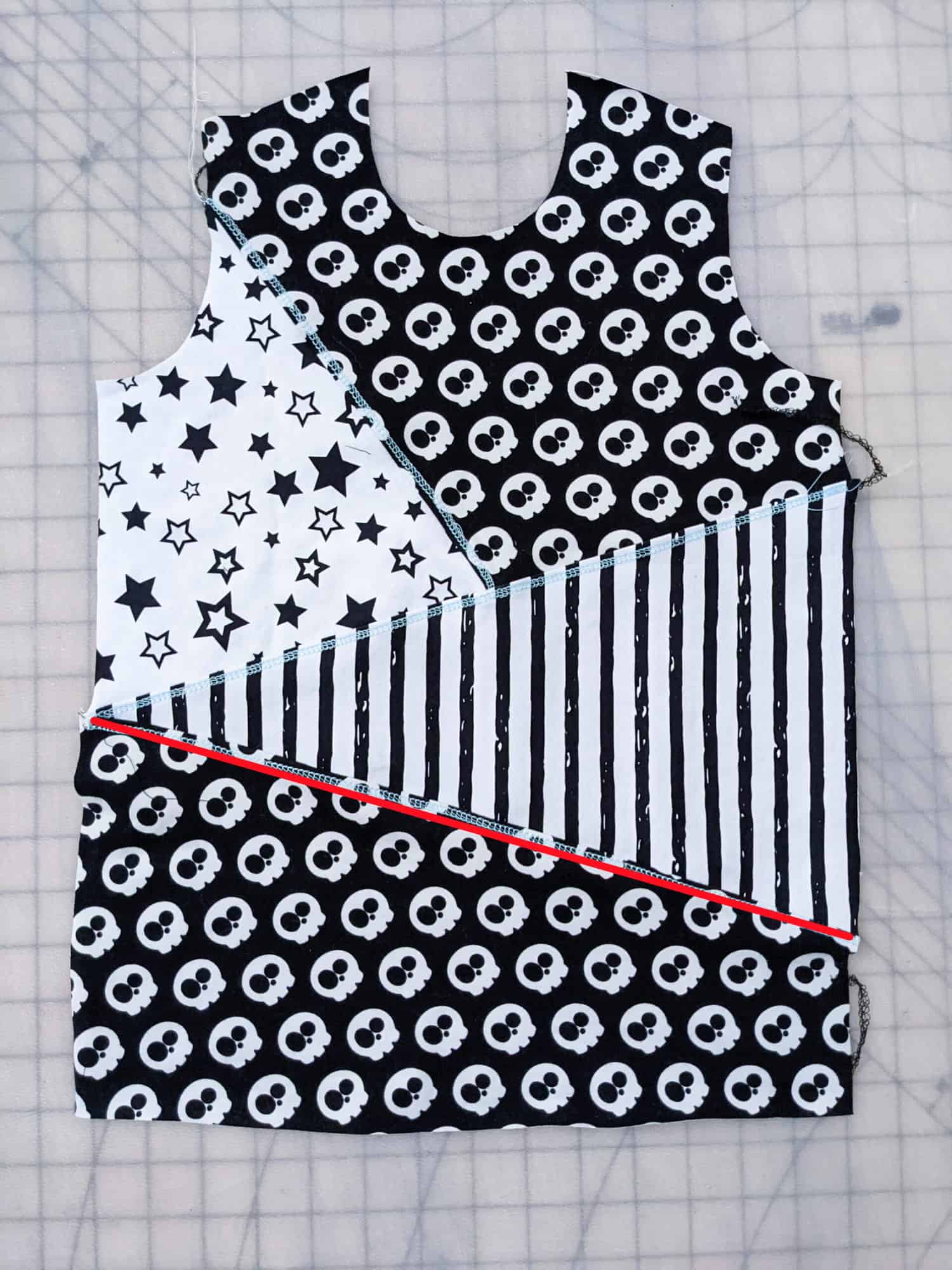
Now it’s time to sew!   If you decided to do any intersecting lines like this one I did.  You’ll want to sew those pieces together first.   So line up your piece edges right sides together and sew with the seam allowance you chose.  You’ll then want to topstitch your seam allowance down.

(Tip- if you are using a coverstitch I like to do a reverse coverstitch on the seam allowances with a fun color to add some extra “pop” to my color blocking).

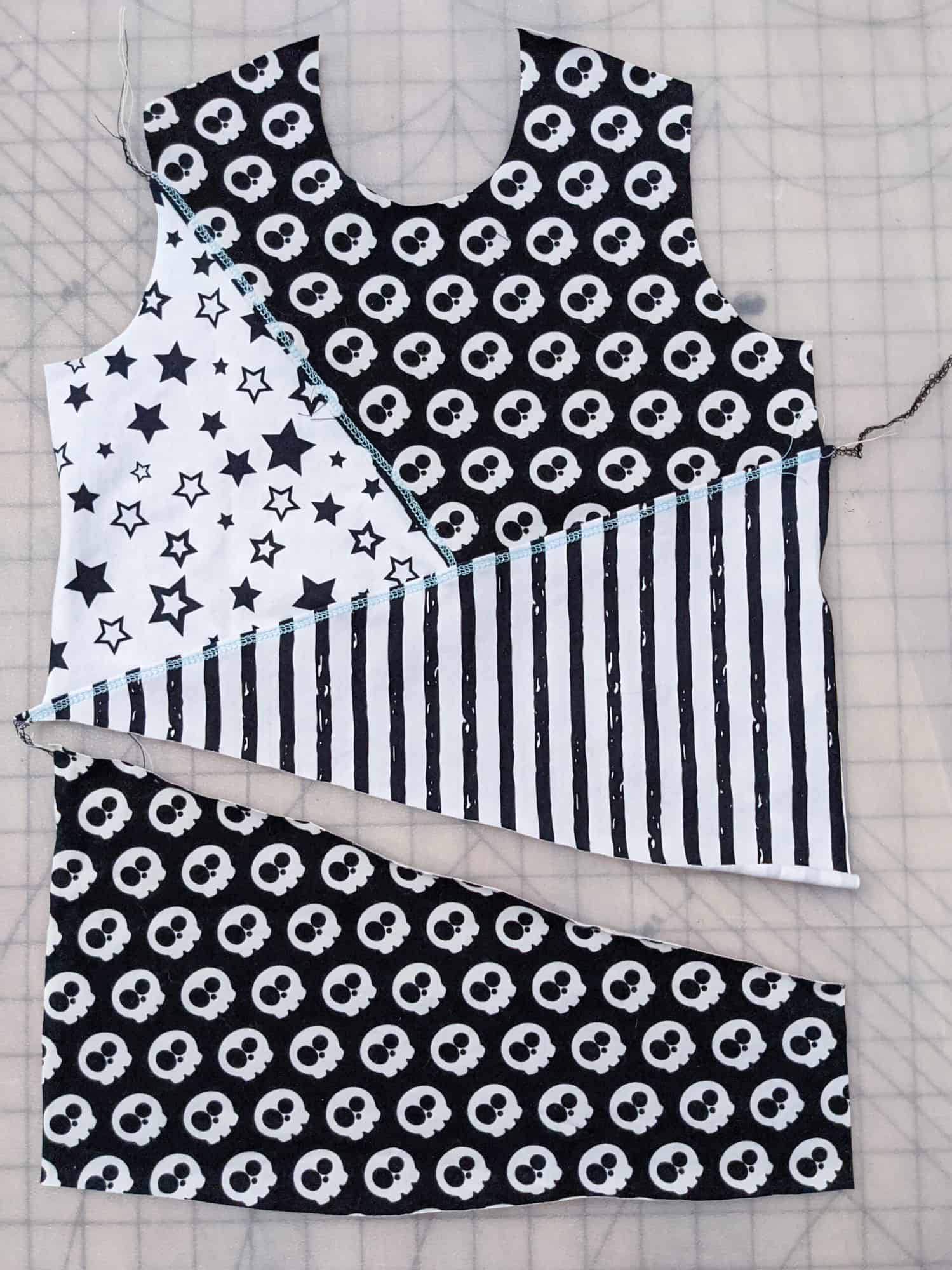
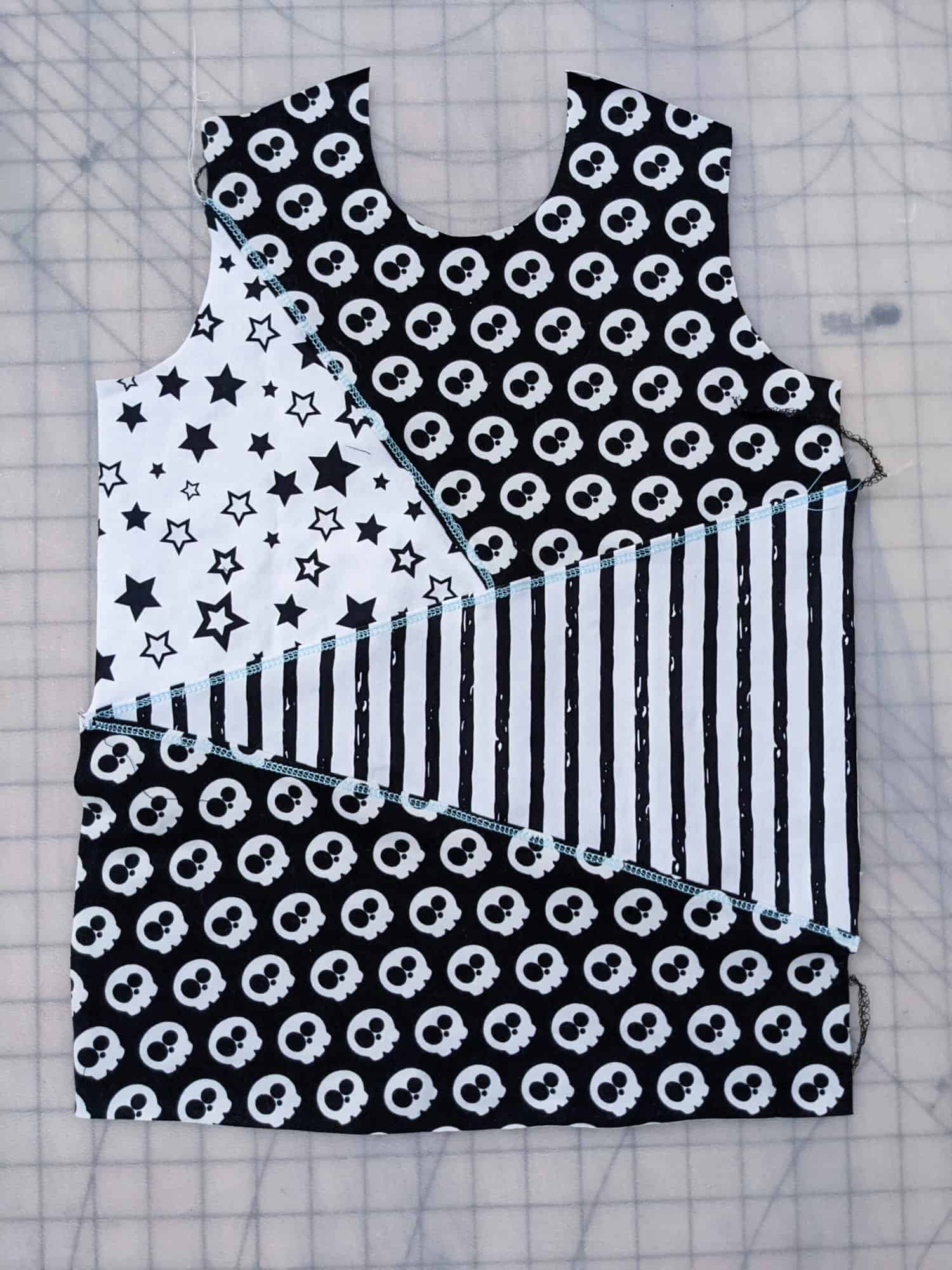
Now repeat this with your other pieces until they all come back together.  It should finish at the same size as your initial pattern piece before you added color blocking.

Finally, you can sew your garment together as recommended by the pattern. The only difference is you have a cool color-blocked piece instead of a plain piece!


Yay!  All done!!  Can’t wait to see what you all create!

Happy Sewing,

Michelle


Filed Under: P4P University, Uncategorized Leave a Comment

Cozy Wrap Sew Along – day 6

January 30, 2021

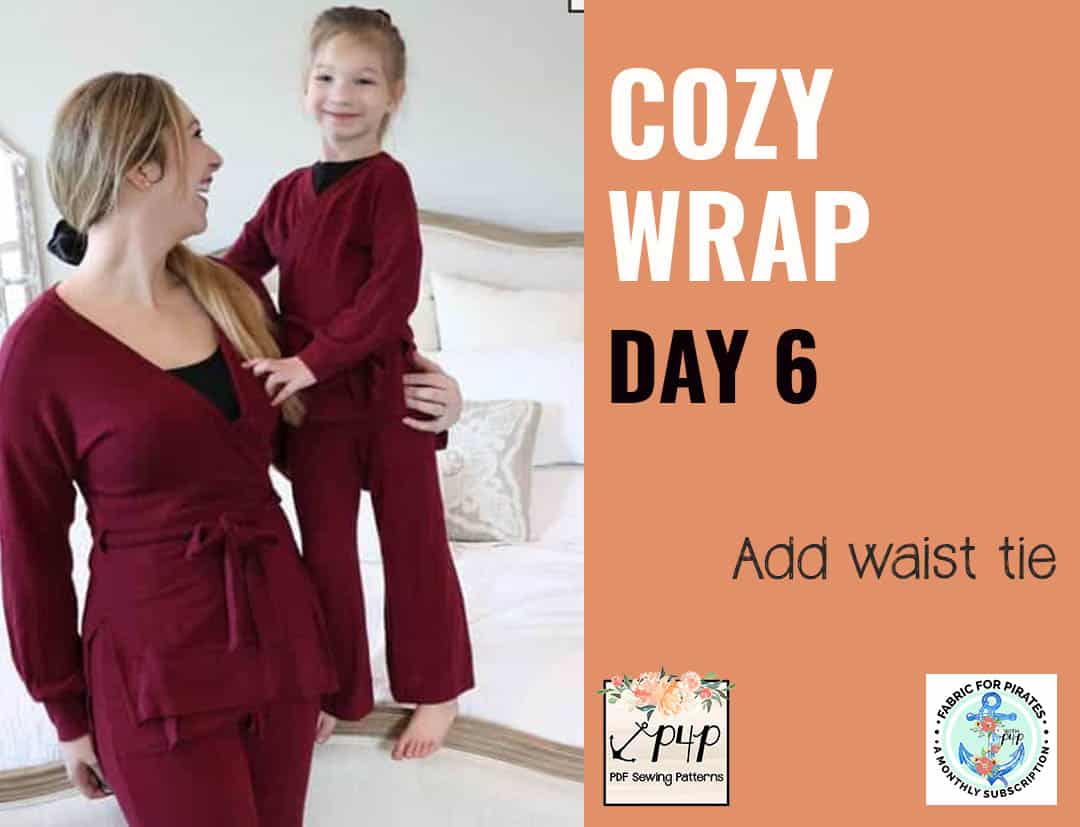
We did it! We made it to the last day of the sew long. Today we create the waist tie and show off our Cozy Wraps. 

You should have 4 pieces left in your pile. You’ll be creating the “main” and “lining” of the waist tie by stitching two short ends right sides together. You only have two long pieces now that you are stitching wright sides together, along all 4 raw edges. Don’t forget to leave a 2-3 inch opening to be able to turn the tie right side out. Top stitch all around, or be lazy like me and just close the opening. 

Give your tie a good steam press to reduce any waviness. Slide the ends of the tie through the tie openings of the side seams from the inside out. You can see this process in today’s video linked below. 

What an amazing job you did this past week! I’m so proud of you all! Here is my finished tunic Cozy Wrap, I absolutely love it!  Don’t forget to post a picture of your finished project in the comments of day 6 photo of the Cozy Wrap SAL album. We will choose the winners from that thread! 


Cozy Wrap SAL day 1 | Cut fabric

Cozy Wrap SAL day 2 | Sew shoulder and side seams

Cozy Wrap SAL day 3 | Add bottom bands

Cozy Wrap SAL day 4 | Add neckband

Cozy Wrap SAL day 5 | Add sleeves

Cozy Wrap SAL day 6 | Add waist tie

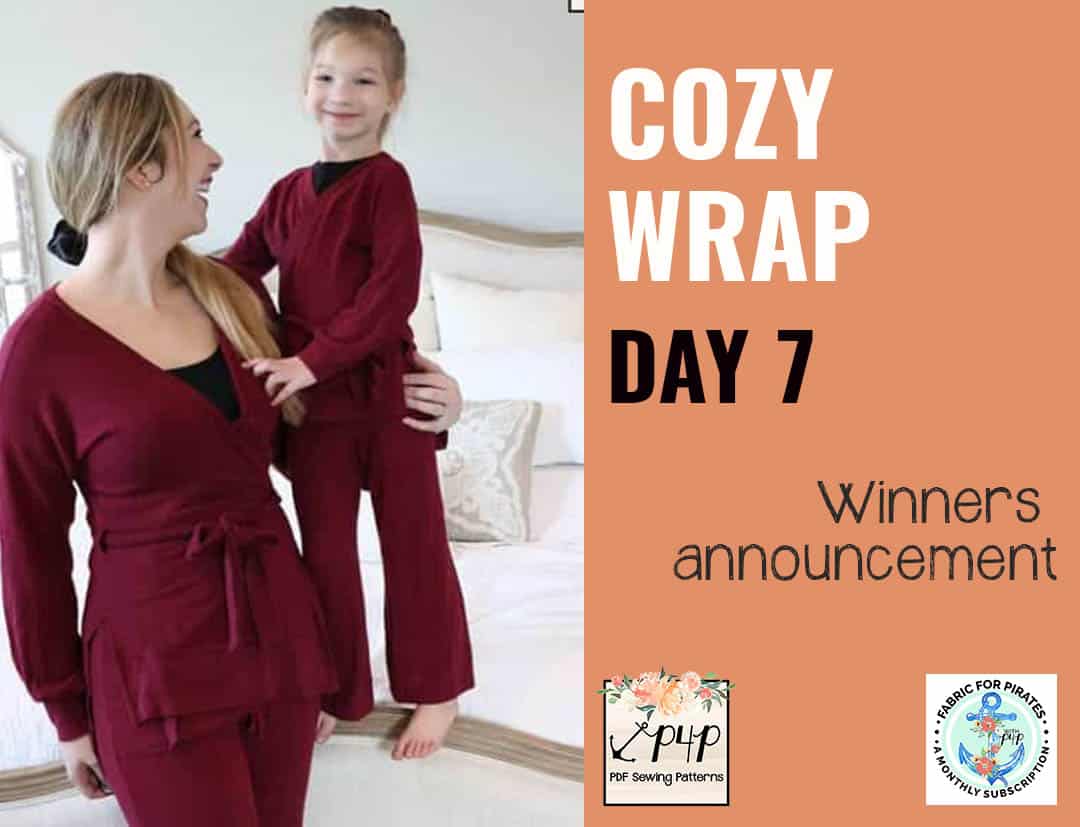
Cozy Wrap SAL day 7 | Winners announcement  

Filed Under: Fabric for Pirates, Frequently Asked Questions, Sew-A-Long, Uncategorized Leave a Comment

P4P University – Adding Trim to Hems

January 29, 2021

P4P UNIVERSITY – Adding Trim to Hems!

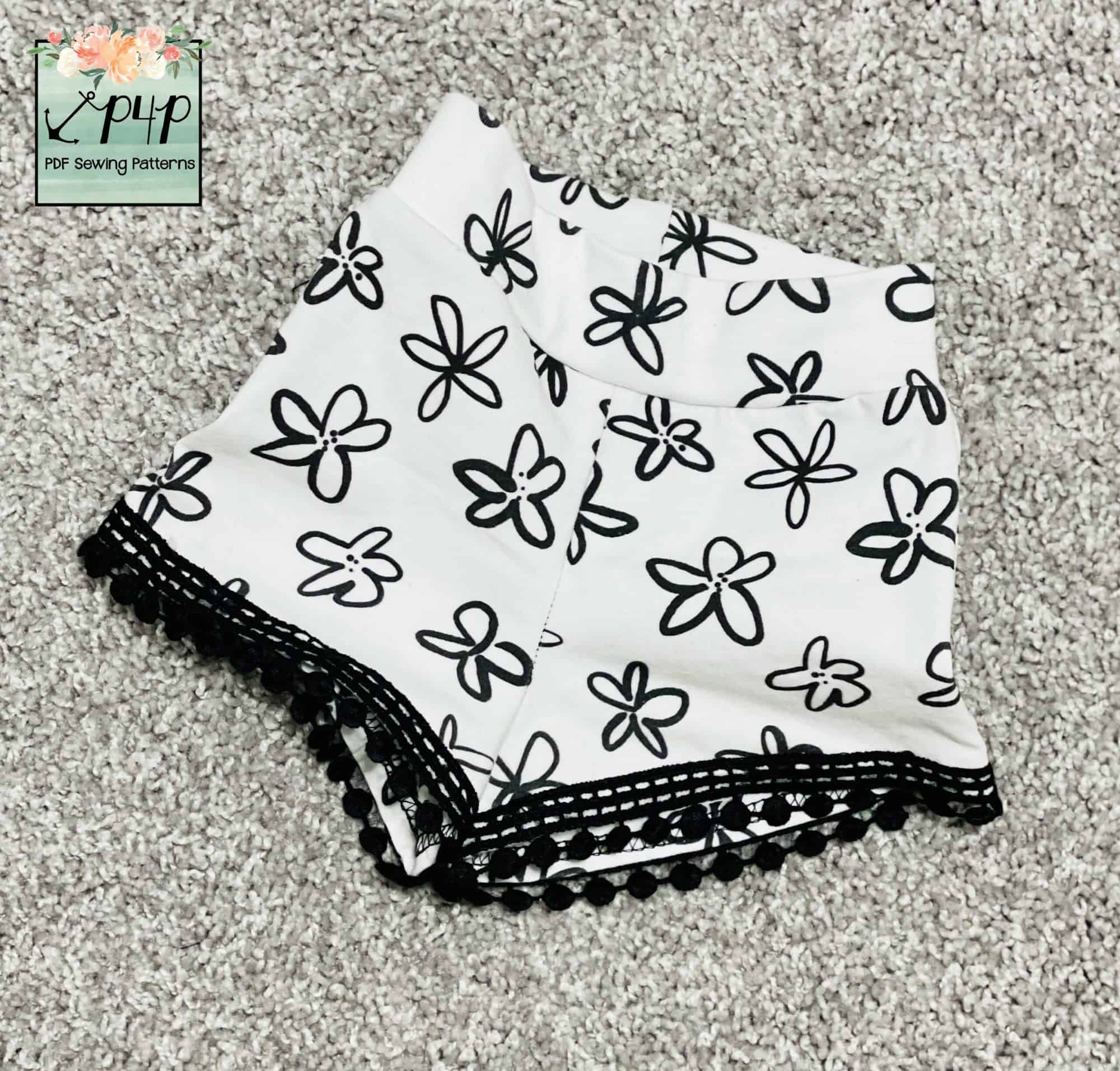
Hello pirates! Today’s topic will focus on how to add a decorative trim to any hem – this is a super easy way to add a unique and decorative touch to your garments! This post will walk you through the steps to select your trim, prepare your hem, add trim to your hem, and also to launder your garments with trim. For this example, I will be using the Cozy Pants – Youth pattern, and I have chosen to do the shorts with the plain waistband and no pockets. I love adding trim to the most basic options because I feel that it adds a fancy design element while still keeping the project quick and easy – my favorite!

Now let’s get started!


Helpful Tips in Selecting the Trim: 

  • STRETCH FACTOR – If your trim is not as stretchy as your garment fabric, you will want to be sure the pattern you’ve chosen will still be wearable with a non-stretchy hem. Adding a non-stretchy trim will restrict any stretching. For the shorts pattern I have chosen, the legs are wide enough that it’s okay if the hem no longer has stretch. But if it was more fitted, then I’d have to switch to a trim that has an equal or similar amount of stretch.
  • TRIM WIDTH – For added convenience, I recommend selecting a trim that is either as wide or wider than the length of the finished hem. This allows for you to stitch the trim and hem in place in one step! This is optional of course, but I like to minimize the steps wherever I can! 🙂 Wideness of the trim will also depend on if the trim is placed on top or under the hem. For example, if you’d like for the trim to be on the underside of the hem, you may want to choose a thicker trim and/or a trim that you don’t mind will have a portion of it hidden behind the hem.
  • PLAN AHEAD – It is a good idea to already have your pattern, fabric, and location of trim decided on before selecting your trim. This way, when you select a trim you will be able to envision how it will look.  Also – be sure to have a scrap of your fabric nearby when shopping to ensure color coordination!
  • TRIM CONTENT – Be sure to see if the trim is made from material that could shrink. Trim made from cotton will likely shrink, so before sewing with it I recommend washing it in a similar manner that you plan to wash the finished garment (see end of post for laundering tips). 


Preparing for the Hem:

Now that we have selected our trim, we are ready to add it to our garment! Construct your garment as usual, but stop before hemming where you plan to add the decorative trim. Follow the steps below:

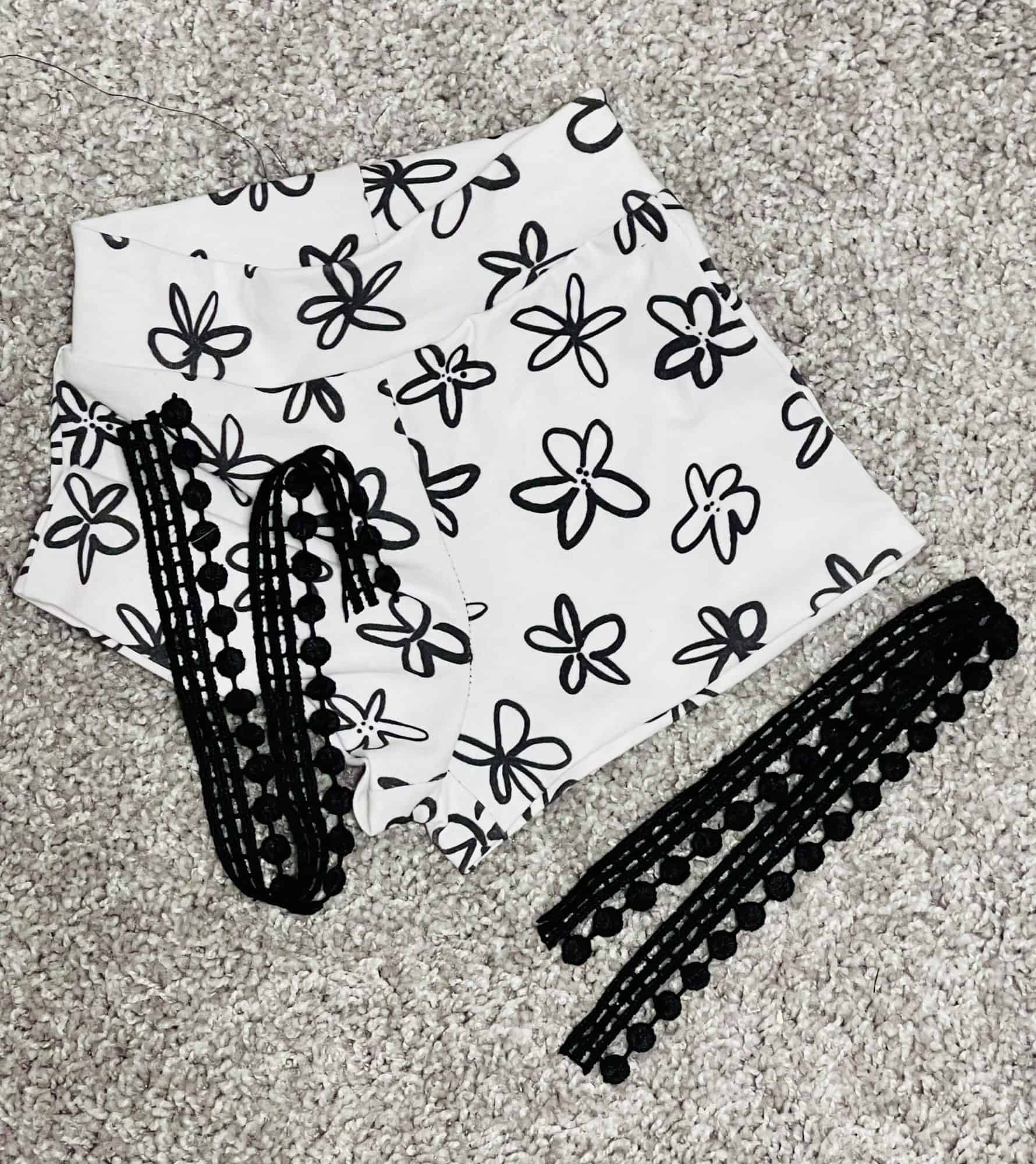
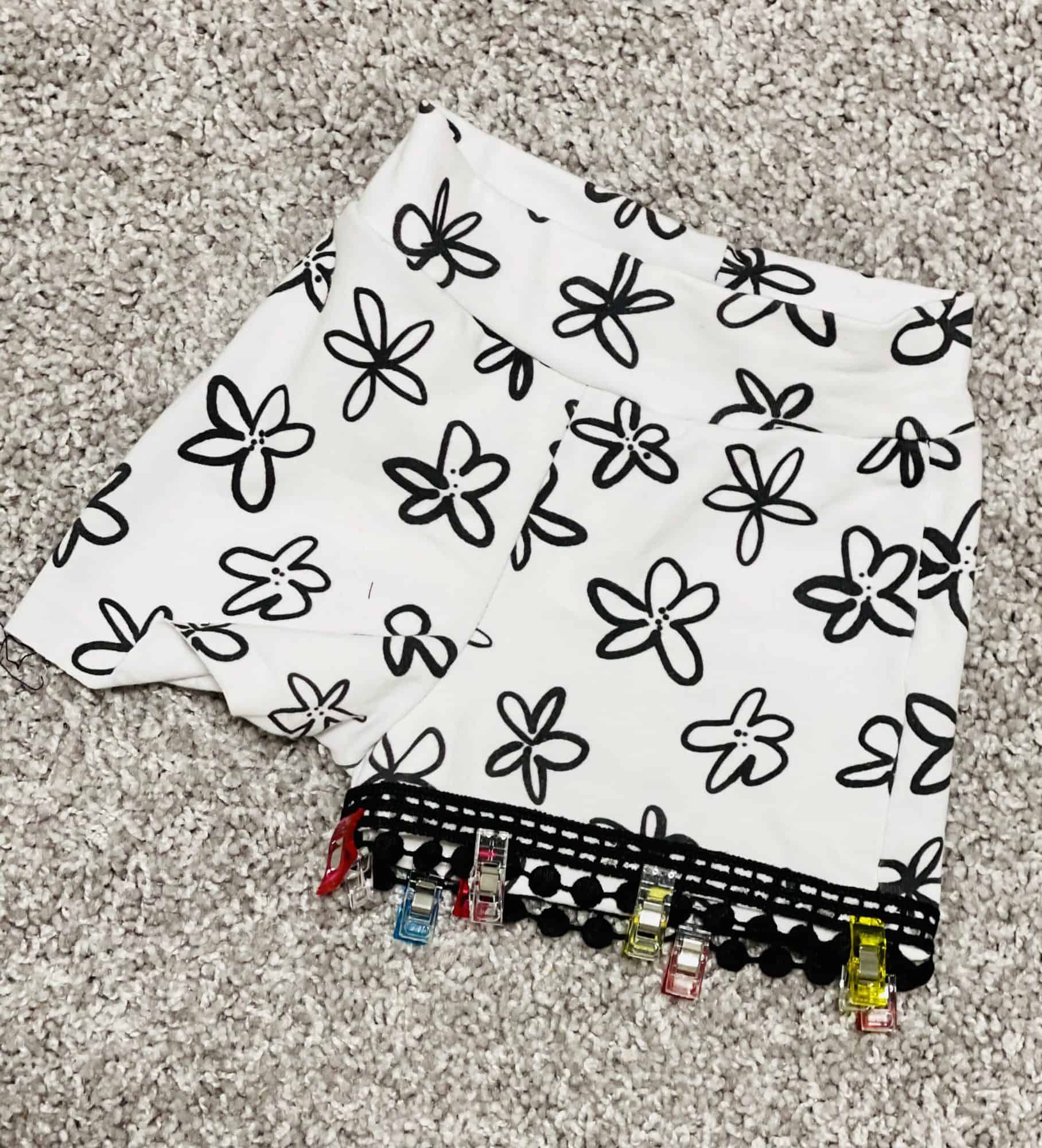
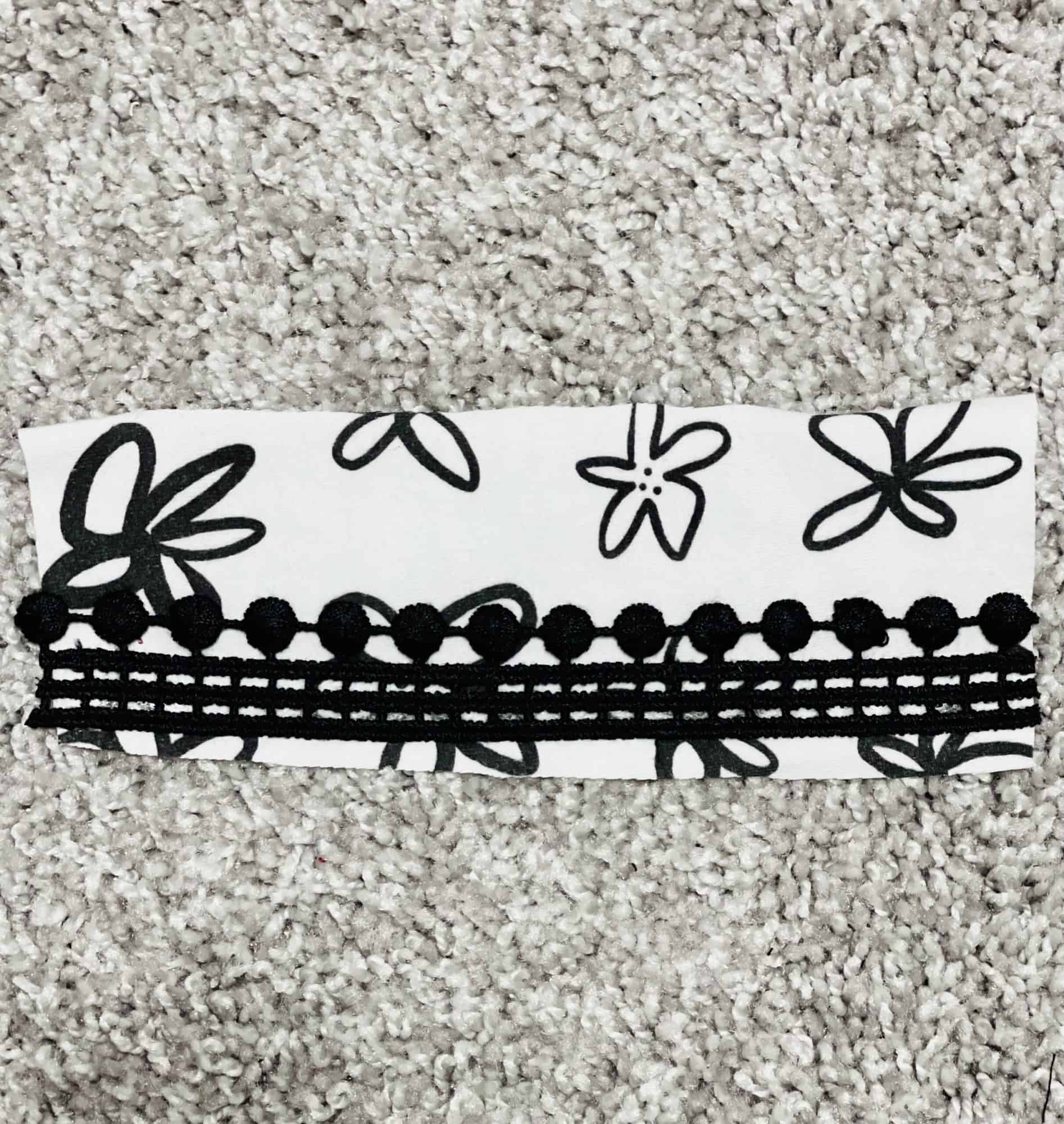
  • PRESS YOUR HEM & MEASURE TO CUT TRIM, press hem as indicated by the pattern and measure the length along the edge of your hem. Cut your trim at that length plus an inch or two. I like to add a little extra length to allow some wiggle room, and I cut off the excess later (pictured first below).
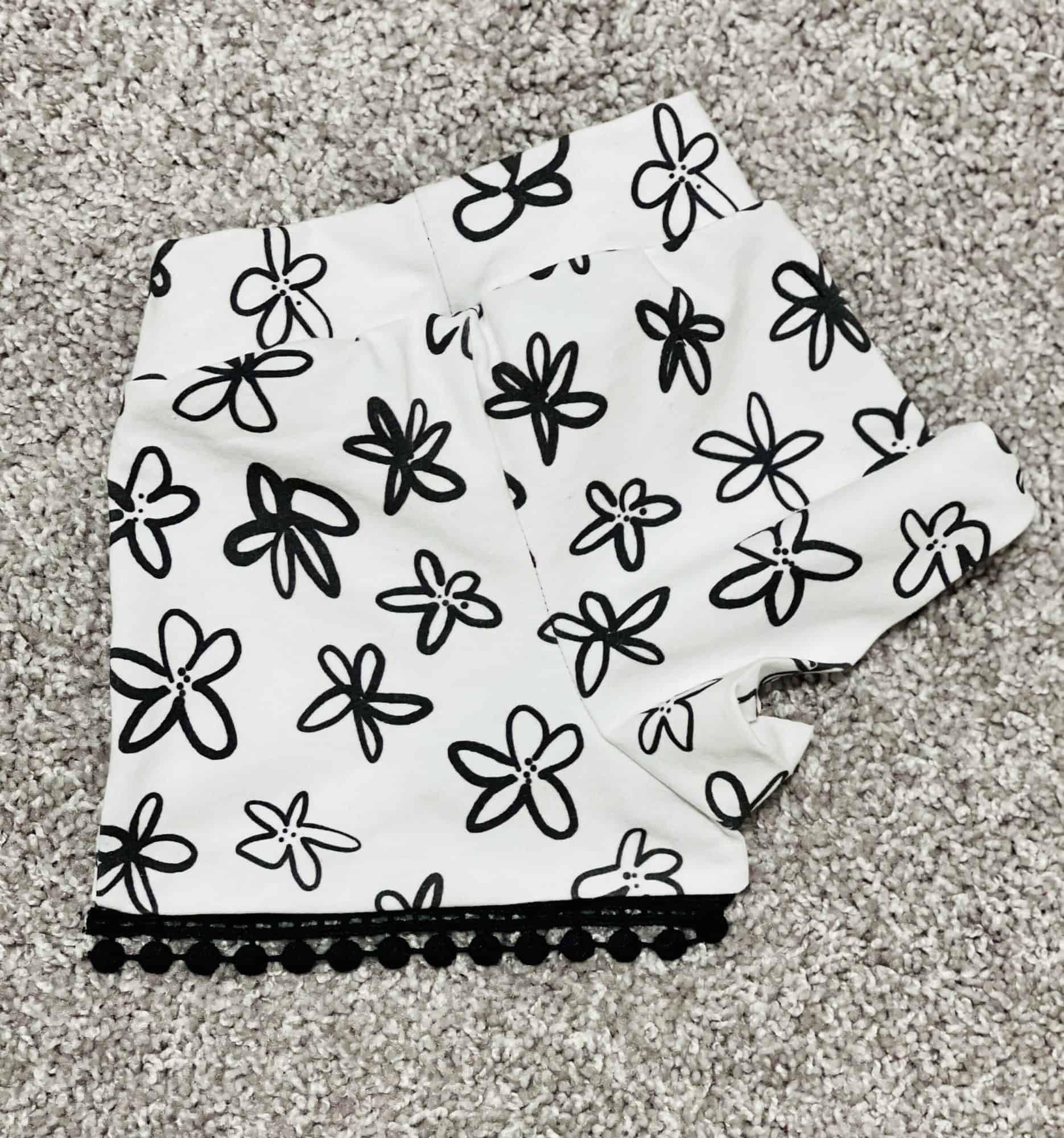
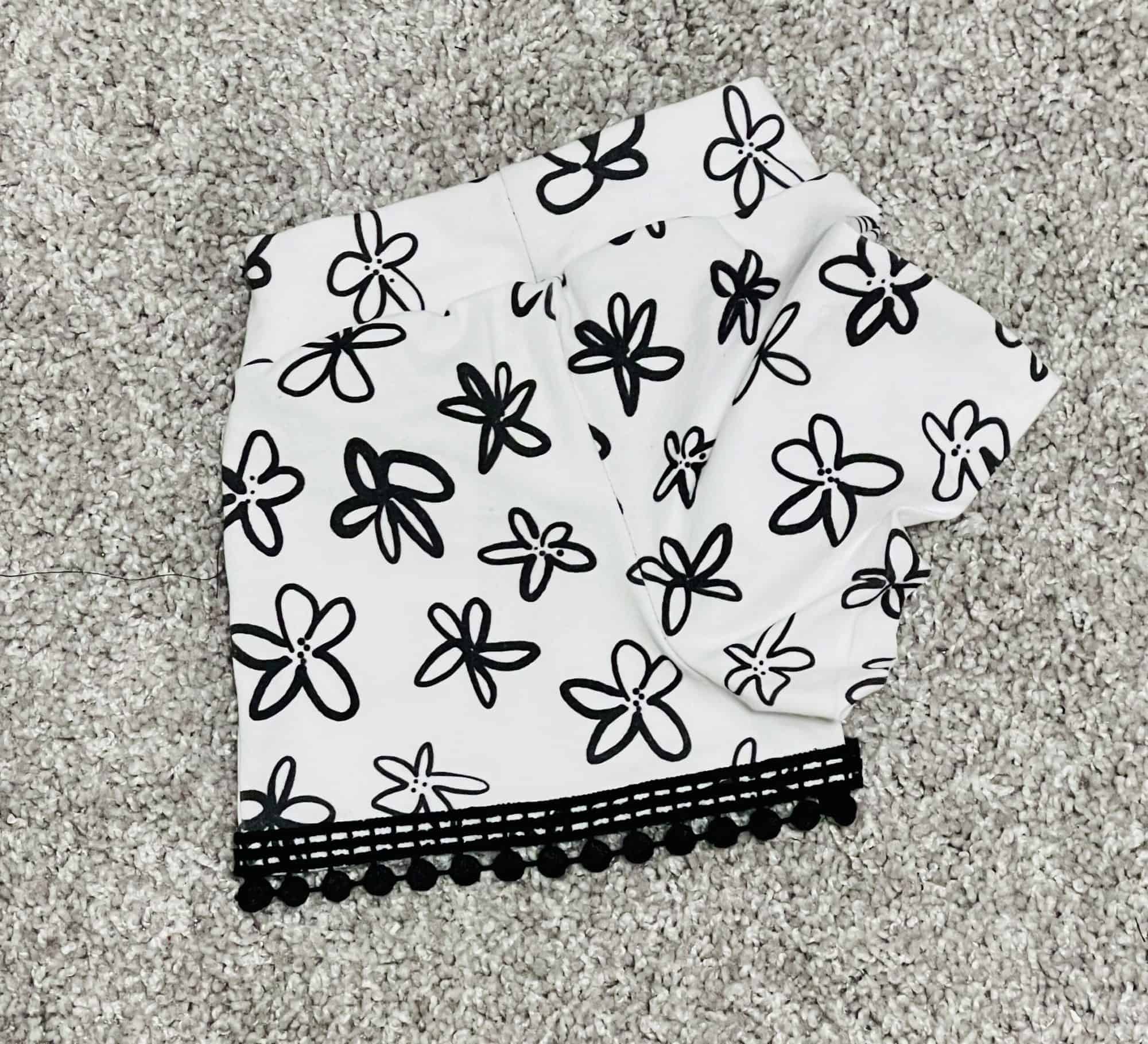
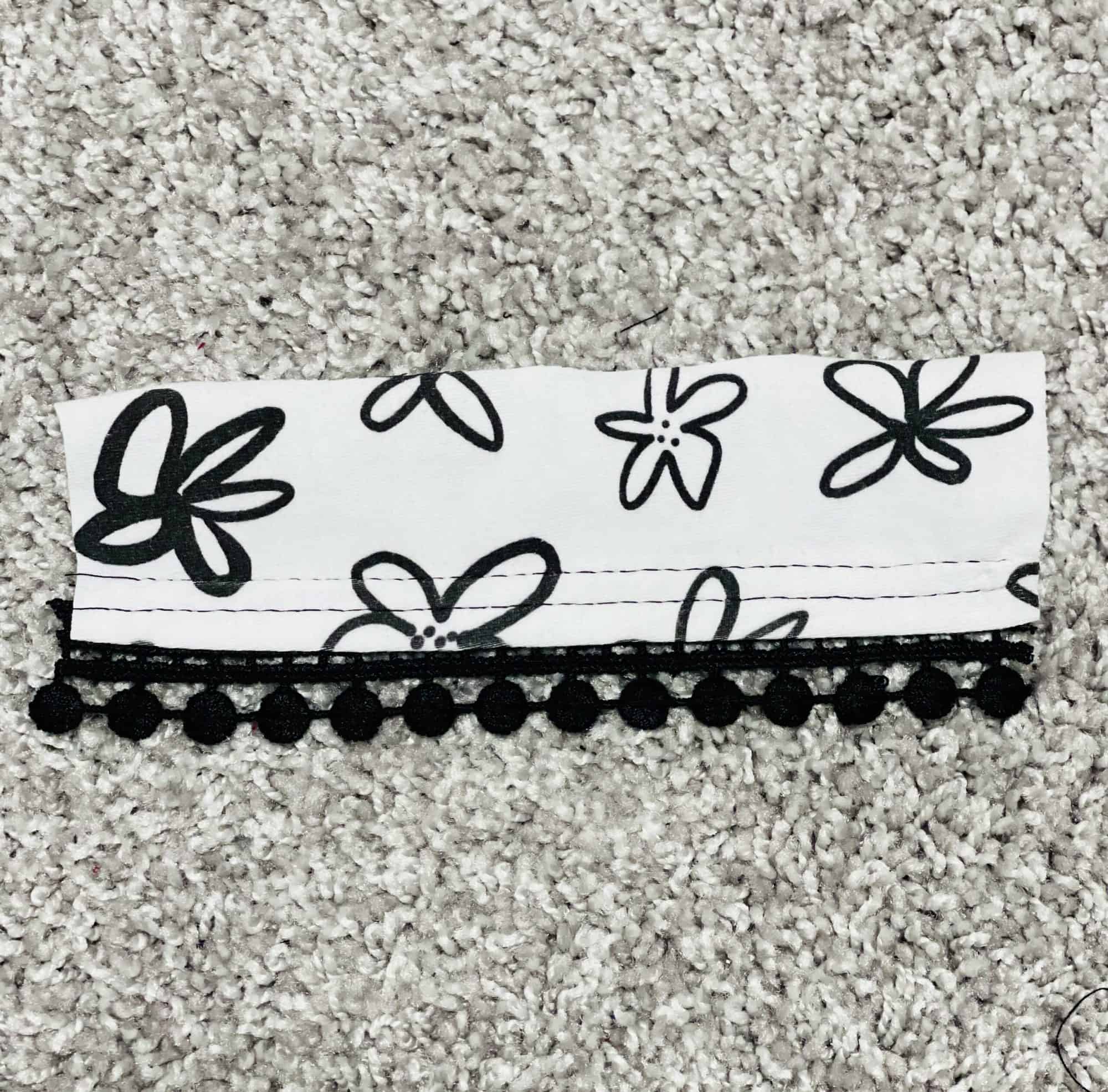
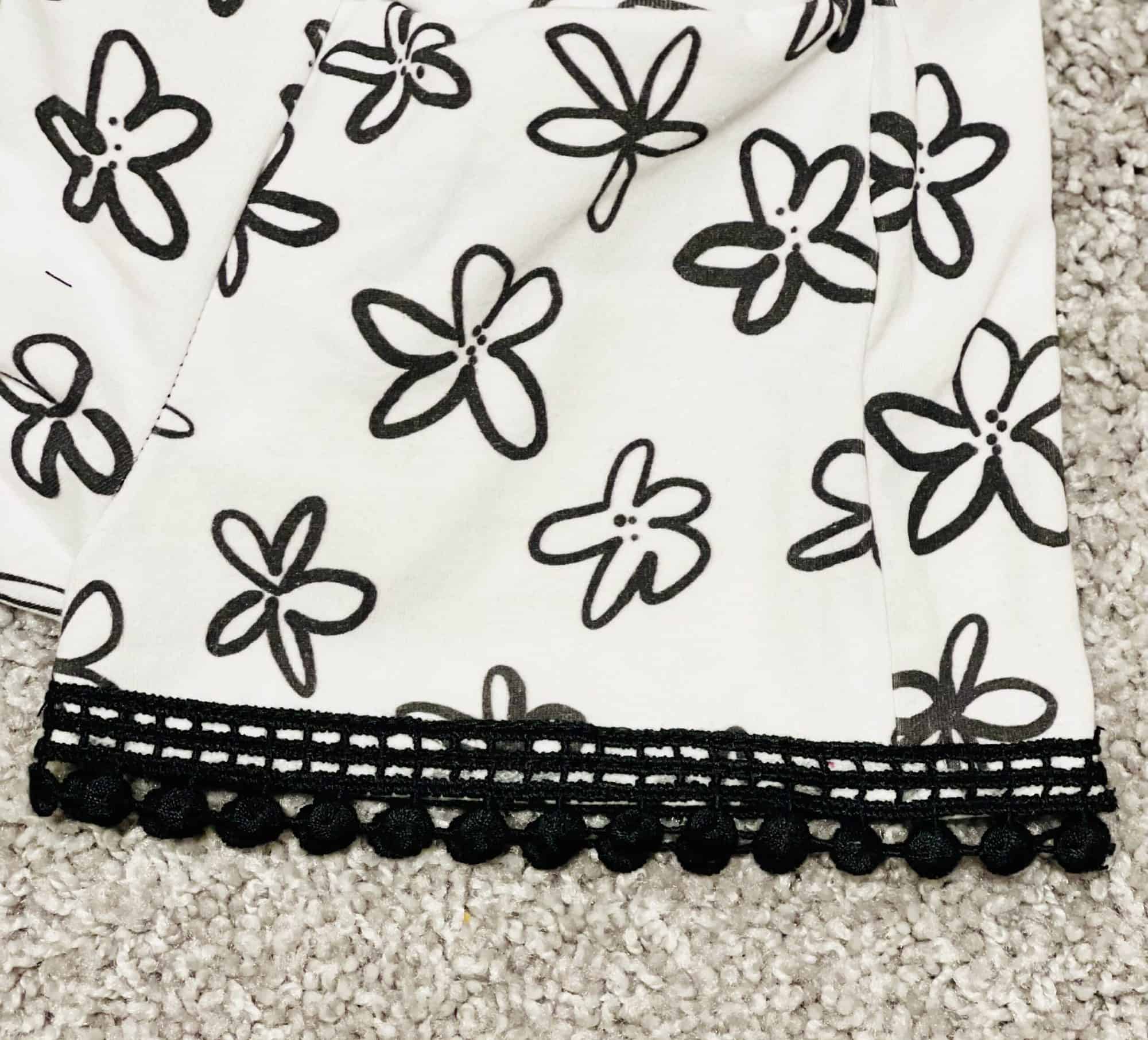
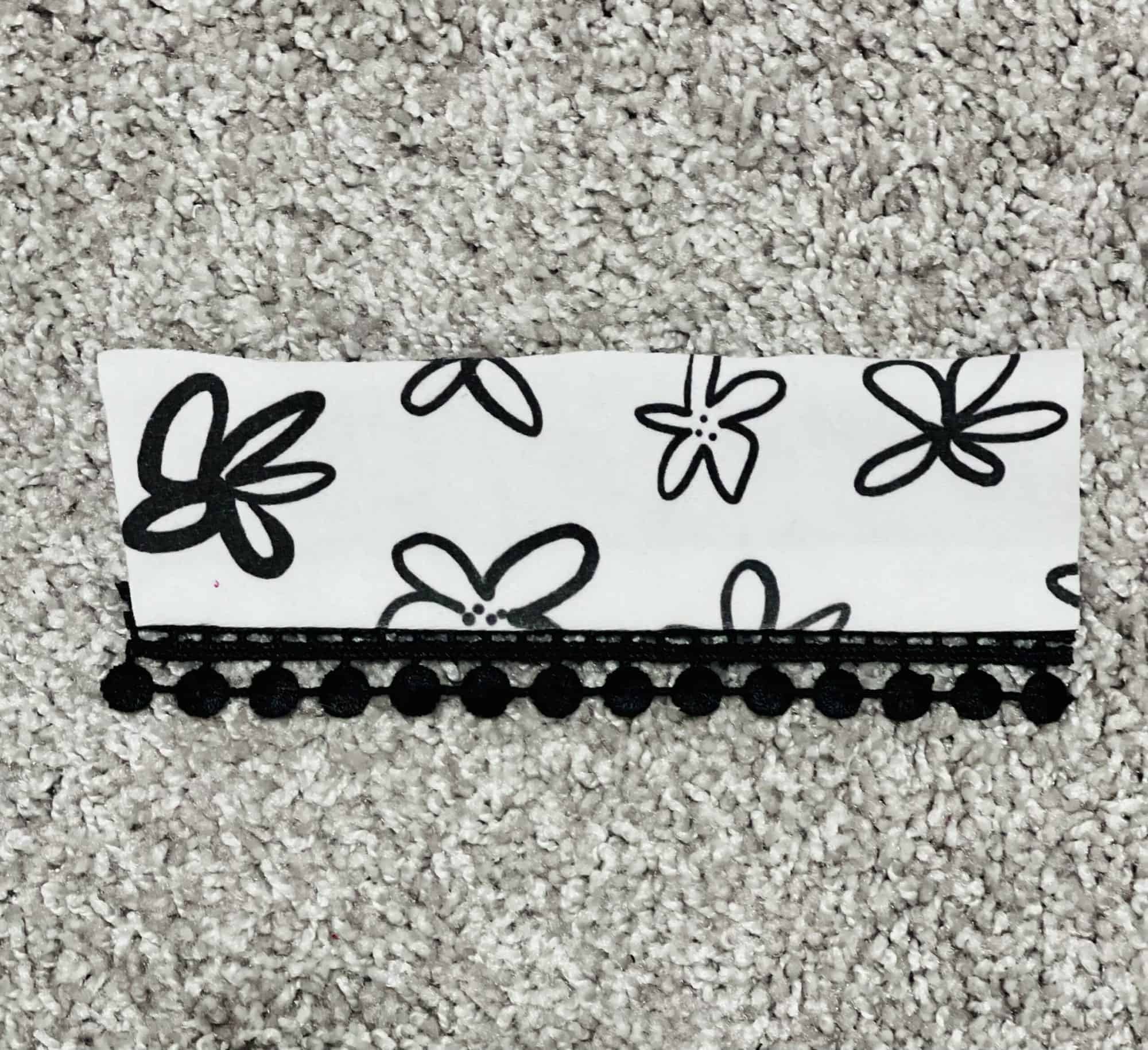
  • PLACE TRIM ON OR UNDER HEM, place trim as desired to verify that the length of the trim has been cut correctly and also to visualize the end goal. Adjust the hem and/or recut trim as needed. Pictured below: trim placed under the hem, also referred to as the underside (pictured second), and trim placed on the topside of the hem (pictured third).


Add Trim on Topside of Hem:

  • PIN, CLIP, and/or TAPE TRIM IN PLACE, secure trim in place and leave any excess trim unpinned/not taped – I prefer to leave the excess until after I’ve sewn it to ensure I don’t end up with a gap. I use wash away wonder tape for adding trims, bindings, and difficult hems – it is my absolute favorite tool! It sticks everything in place, is clear, and washes away – perfect for this project! For these shorts, I used my tape and also a few clips for extra security (pictured first below). 
  • TOPSTITCH TRIM IN PLACE, finish using your favorite topstitch to secure both your trim and your hem. Be sure your stitching is catching both the hem and the trim. Once you reach the end, cut off the excess trim where needed. I like to overlap the ends of the trim just smidge and cover the edges with a little fray check. Here, I use my coverstitch – but you can also use a zig-zag stitch, triple stitch, etc. My thread is the same color as my trim – so you can’t see the stitching, but here it is stitched on (pictured second).
  • Note: if you are attaching a narrow trim that is smaller than the size of your hem, you will want to first hem your item, and then sew your trim in place. You may also consider using a blind hem to minimize the appearance of stitching before adding the trim. *Tip* For very narrow trims, use a narrow zipper foot on your sewing machine to help you sew right along the edge of the trim!


OR

Add Trim on Underside of Hem:

  • PIN, CLIP, and/or TAPE TRIM IN PLACE, leave excess trim unpinned/not taped. I prefer to leave the excess until after I’ve sewn it to ensure I don’t end up with a gap. I use wash away wonder tape for adding trims, bindings, and difficult hems – it is my absolute favorite tool! It sticks everything in place, is clear and washes away – perfect for this project! For this example, I am using just a small strip of fabric to show how to finish the hem since I decided to add the trim on top (previous example). Here, I have only used tape to secure the trim in place (pictured first below).
  • OPTIONAL STEP FOR NARROW TRIMS, open up the hem and stitch along the edge of the trim closest to the bottom (pictured second). In the example below, we would stitch along the trim edge opposite of the pom-poms/circles. This is needed if your trim will not be secured by the final hemstitch. If you complete this step, using wonder tape would be the easiest method to ensure the trim doesn’t shift around while you open up your hem. If you don’t have tape, you could use pins, but be sure to only pin through one layer of fabric while securing the trim to the underside of the hem. Clips would not work because you wouldn’t be able to open the hem up. When stitching towards the end, cut off the excess trim where needed. After you have stitched the trim to the fabric, refold your hem.
  • *Tip* For very narrow trims, use a narrow zipper foot on your sewing machine to help you sew right along the edge of the trim!
  • TOPSTITCH TRIM IN PLACE, finish with your favorite topstitch (pictured third). If you did not complete the optional step, this stitch will also serve to stitch your trim in place – so be sure your stitching is catching both the hem and the trim. Once you reach the end, cut off the excess trim where needed (if you haven’t already). When the edges of the trim meet, I like to overlap the edges just smidge and cover the edges with a little fray check. Here, I use my coverstitch to finish the hem – but you can also use a zig zag stitch, triple stitch, etc.


And that’s it! Here is my finished product, with the trim stitched on top of the hem. How cute is this?? 


Caring for Garments with Decorative Trim:

Below, I have included my recommendation for caring for your garments with trim. However, this is just my preference, so be sure to defer to your own best judgement – especially when working with delicate fabrics and trims. I tend to use pretty versatile fabric that can handle a little more activity :). Also, I would be lying if I said I ALWAYS do this for items with decorative trim because I’m known to just throw everything in the wash together without a second thought. However, this has honestly led me to some sad occasions while folding laundry and seeing that my pom poms or fringe are now a mess and they are not always salvageable!! So I recommend the following:

  • WASH IN COLD WATER ON DELICATE/GENTLE CYCLE, preferably by itself so it doesn’t risk getting tangled with any straps or strings from other clothing.
  • SKIP THE FABRIC SOFTENER, fabric softener can lead to build-up on fabric over time. This can cause some fabrics to actually lose softness, and it can even lead to discoloring some fabrics. 
  • HANG/AIR DRY, this is strongly recommended based on personal experience! But if you must, you can try drying on the lowest heat setting in the dryer and taking out the garment as soon as it is dry to avoid allowing it to continue drying and get overheated. However, air drying is the safest and most reliable option.

I hope you enjoyed this post and found it helpful! Have fun sprucing up some of your garments quickly and easily, and be sure to share your embellished P4P items in the Patterns for Pirates Facebook Group! 


Filed Under: Frequently Asked Questions, P4P University Leave a Comment

Cozy Wrap Sew Along – day 5

January 29, 2021

Welcome to day 5 of our Cozy Wrap sew along. Today is probably my favorite day because I get to make those cute, trendy gathered sleeves. The pattern includes a banded short sleeve, a cuffed regular sleeve and a gathered one. 

If you opted for short sleeve, you will create the bands by sewing each one right sides together to form loops. I highly encourage you to pre-press the cuffs wrong sides together before creating the loops. Just like we did the past few days. 

The standard long and gathered sleeves are attached in the round. That means you are sewing the side seams of the sleeves first. Matching the armpit seam to the sleeve side seam, attach the sleeves to the opening. If you opted for the gathered sleeves, you need to run a gathering stitch or two at the wrist. Pull the gathering threads so that the opening matches the cuff. I personally love gathering with my serger. Our P4P University Gathering blog covers a few gathering methods. 

To attach the cuff, simply match the cuff seam to the sleeve seam and sew right sides together. We have a tips and tricks P4P University cuffs 101 blog that I encourage you to check out. 

We are so close to finishing! All we have left to do is create the waist tie tomorrow. You can see today’s video below. Check in with your progress in the comments of day 5 photo of the Cozy Wrap sew along album. 


Cozy Wrap SAL day 1 | Cut fabric

Cozy Wrap SAL day 2 | Sew shoulder and side seams

Cozy Wrap SAL day 3 | Add bottom bands

Cozy Wrap SAL day 4 | Add neckband

Cozy Wrap SAL day 5 | Add sleeves

Cozy Wrap SAL day 6 | Add waist tie

Cozy Wrap SAL day 7 | Winners announcement  
Filed Under: Fabric for Pirates, Frequently Asked Questions, Sew-A-Long, Uncategorized Leave a Comment

Cozy Wrap Sew Along – day 4

January 28, 2021

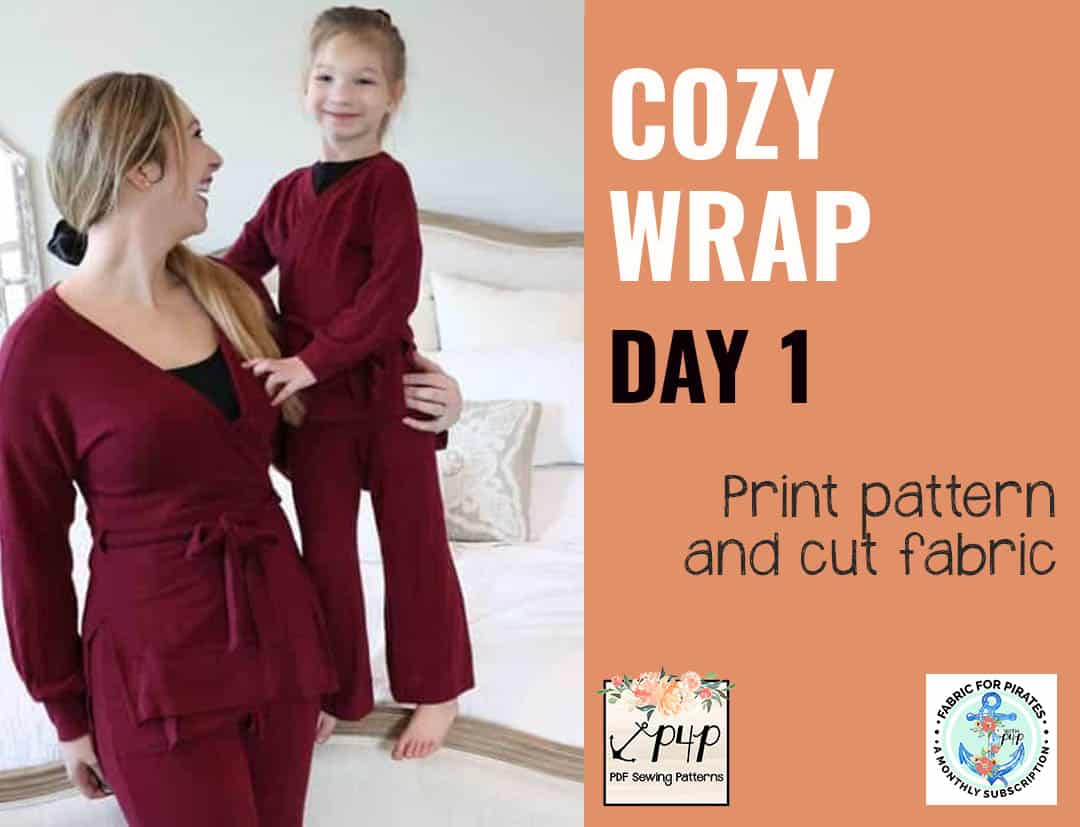
Welcome to day 4 of our Cozy Wrap Sew Along. Easy day today! All we have to do is add the neckband…the very long neckband. You should have two narrow long strips of fabric (do not mix them up with the tie pieces!) Sew them right sides together on one end so you have an even longer neckband. 

Fold the band wrong sides together and give it a good press…just like we did yesterday! Unfold it and fold each end right sides together, sew  and re fold wrong sides together. You should not have a neckband with no raw ends anymore. Time to pin it to the neckline and front raw edge. I recommend pinning the center seam to the center back of the neckline first. Proceed with pinning each front raw edge to the band, right sides together, without stretching the band. The only part of the neckband that will be slightly stretched to fit it’s between the two shoulder seams. 

After you serge the neckband on, you need to finish the serger tails. I cover a few ways to do that in this P4P University blog. 

You can see in today’s video how I attach the neckband to my tunic Cozy Wrap. When you finish adding the neckband, give it a good press and add a picture of your progress to the comments of Day 4 photo. 

Cozy Wrap SAL day 1 | Cut fabric

Cozy Wrap SAL day 2 | Sew shoulder and side seams

Cozy Wrap SAL day 3 | Add bottom bands

Cozy Wrap SAL day 4 | Add neckband

Cozy Wrap SAL day 5 | Add sleeves

Cozy Wrap SAL day 6 | Add waist tie

Cozy Wrap SAL day 7 | Winners announcement  
Filed Under: Fabric for Pirates, Frequently Asked Questions, Sew-A-Long, Uncategorized Leave a Comment

Cozy Wrap Sew Along – day 3

January 27, 2021


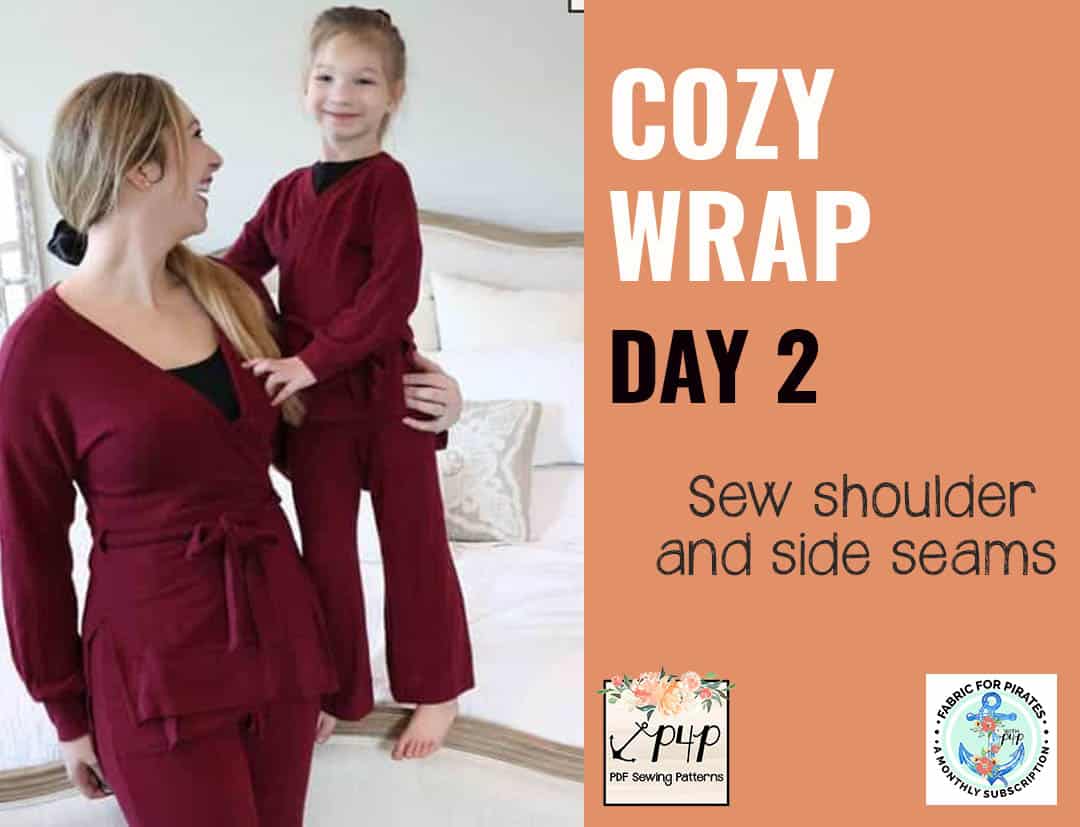
Good morning, pirates! What a wonderful start to the sew along it has been! Today we add the bottom bands. All Cozy Wrap lengths have the same bottom finish. The most important tip I can give you for today’s steps is to start by pressing all 3 bottom bands. Fold them wrong sides together along the length and give them a good steam press! This will help tremendously when you attach them to the bottom raw edge.

Unfold the back band and sew each side folded right sides together. Turn the band out! See how easy that was now that it was pressed. You’ll repeat this steps for the two front bands, except you will only be sewing on one of the sides for each, not both. 

The bottom bands are cut at 1:1 ratio to the raw edge of the top so you will not be stretching them to fit. You can sew these steps with a sewing machine or a serger, just remember to keep a constant 1/2″ seam allowance. All you have left to do is give your stitches a good steam press to reduce any waviness from sewing.

You can see today’s steps in the video below. Remember to take a picture of your progress and post it in the comments of day 3 Cozy Wrap sew along album.

See you back here tomorrow!


Cozy Wrap SAL day 1 | Cut fabric

Cozy Wrap SAL day 2 | Sew shoulder and side seams

Cozy Wrap SAL day 3 | Add bottom bands

Cozy Wrap SAL day 4 | Add neckband

Cozy Wrap SAL day 5 | Add sleeves

Cozy Wrap SAL day 6 | Add waist tie

Cozy Wrap SAL day 7 | Winners announcement  
Filed Under: Fabric for Pirates, Frequently Asked Questions, Sew-A-Long, Uncategorized Leave a Comment

Cozy Wrap Sew Along – day 2

January 26, 2021

Let’s start sewing! Today we stitch the shoulder seams and side seams. If you are making the midi length and your fabric has lots of vertical stretch I encourage you add clear elastic the shoulder seams. It will help prevent any stretching during wear. I am using a waffle knit with minimal vertical stretch for my tunic Cozy Wrap so there is no need for shoulder reinforcements.

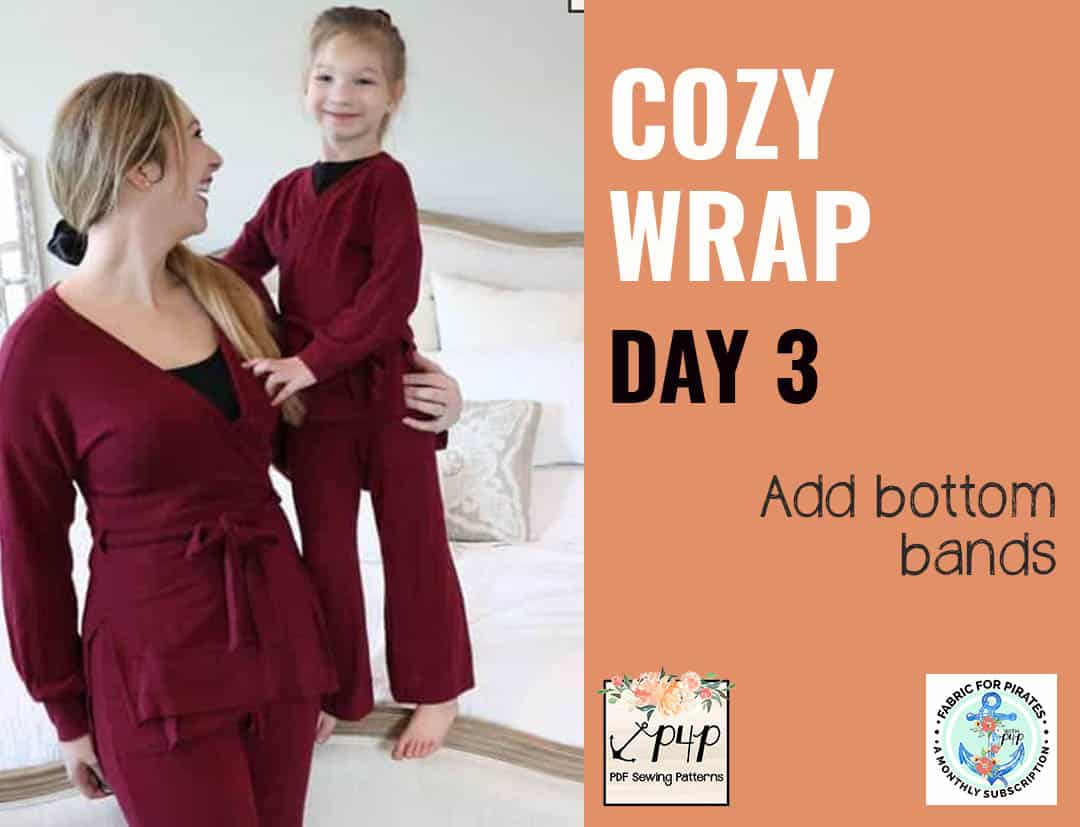
Once the shoulder seams are done we sew the side seams. Yes! This Cozy Wrap pattern has the sleeves added in the round so we will do that in a couple of days. For the side seams you must use your sewing machine as well. Remember, the whole pattern can be sewn with a sewing machine (using stretch stitches). If you chose to use the serger, like I have, you do need to stitch part of the side seams with the sewing machine to ensure a nice clean finish. You can see in the video below achieved a beautiful side seams going between my two favorite machines. 

Once you finish today’s steps, post a photo of your progress in the comments of the Day 2 photo of this sew along’s album. You can find the album (and lots of new sewing friends 😉) here, in the SAL group.


Cozy Wrap SAL day 1 | Cut fabric

Cozy Wrap SAL day 2 | Sew shoulder and side seams

Cozy Wrap SAL day 3 | Add bottom bands

Cozy Wrap SAL day 4 | Add neckband

Cozy Wrap SAL day 5 | Add sleeves

Cozy Wrap SAL day 6 | Add waist tie

Cozy Wrap SAL day 7 | Winners announcement  
Filed Under: Fabric for Pirates, Frequently Asked Questions, Sew-A-Long, Uncategorized Leave a Comment

Cozy Wrap Sew Along – day 1

January 25, 2021

Welcome to the Cozy Wrap Sew Along!

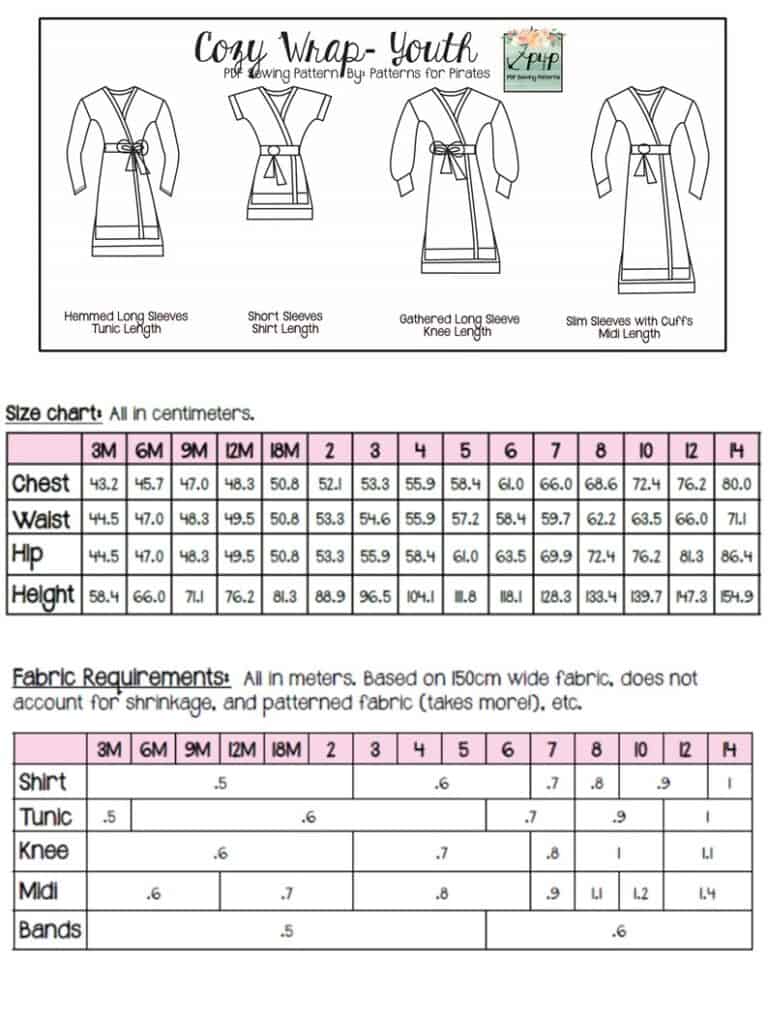
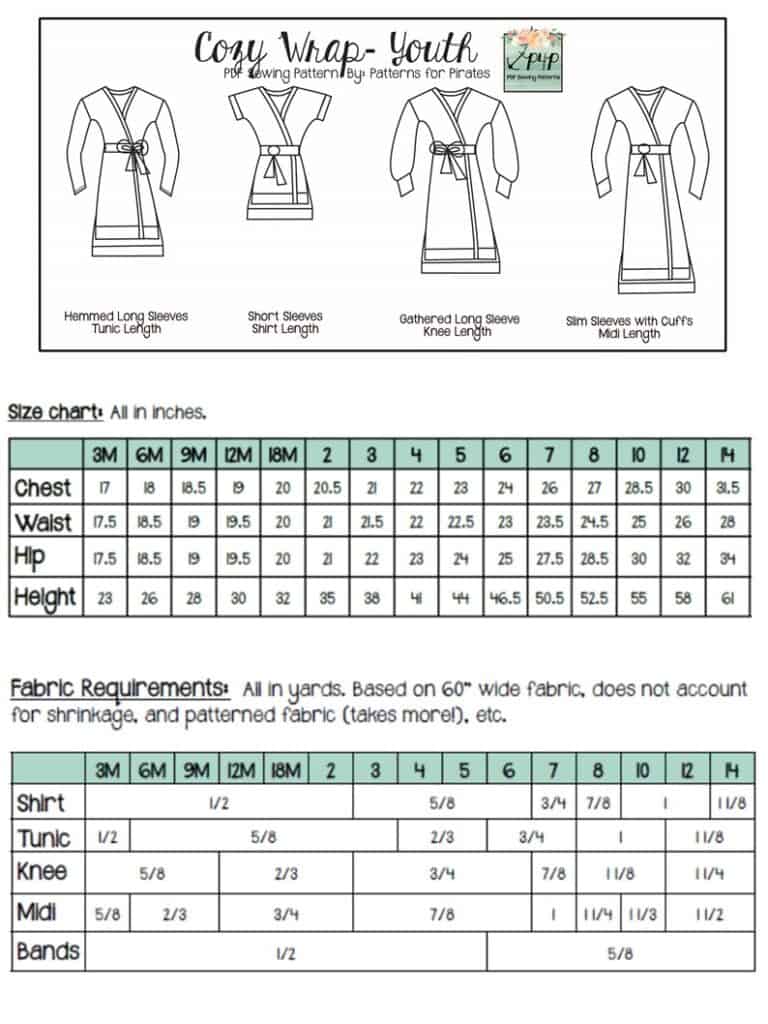
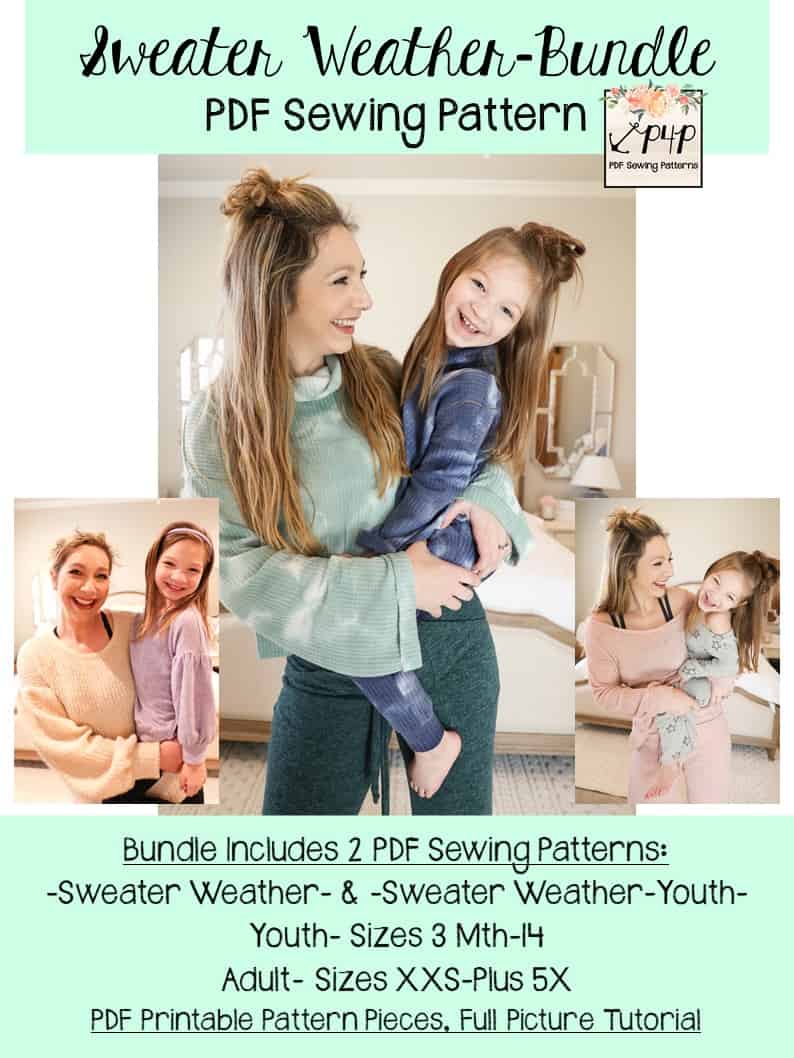
Happy New Year! I’m so excited to start our 2021 sew alongs with the Cozy Wrap top. The pattern comes in Youth and Adult and you purchase the bundle and save. Don’t forget the Cozy Pants if you’re looking to pair your top with a new bottoms.  If you are still undecided which style to make, our Round Up blog will give you an overview of all options included, from sleeve styles to top lengths. You can also use the Easy Hacks blog for added options.

Let’s start by taking the measurements needed for the best fit. P4P has an amazing blog that gives you tips for accurately taking your measurements. You can read all about it here. If your measurements put you in a different size for chest/waist/hips be sure to check out our P4P University blog and grade to achieve the perfect fit. Our most recent patterns include videos as well. On page 3 you will notice an active button that will take you to the video about adding or removing length. Please refer to it if you are taller or shorter than 5’5″.


Still debating which knit type will work best for your desired look? Take a look over our P4P University Knit Types blog. We also included a cheat sheet that you can print. If you are like me and sometime are just keen on using a specific print for a specific pattern, read our Different fabric, different fit blog post before you cut your fabric.

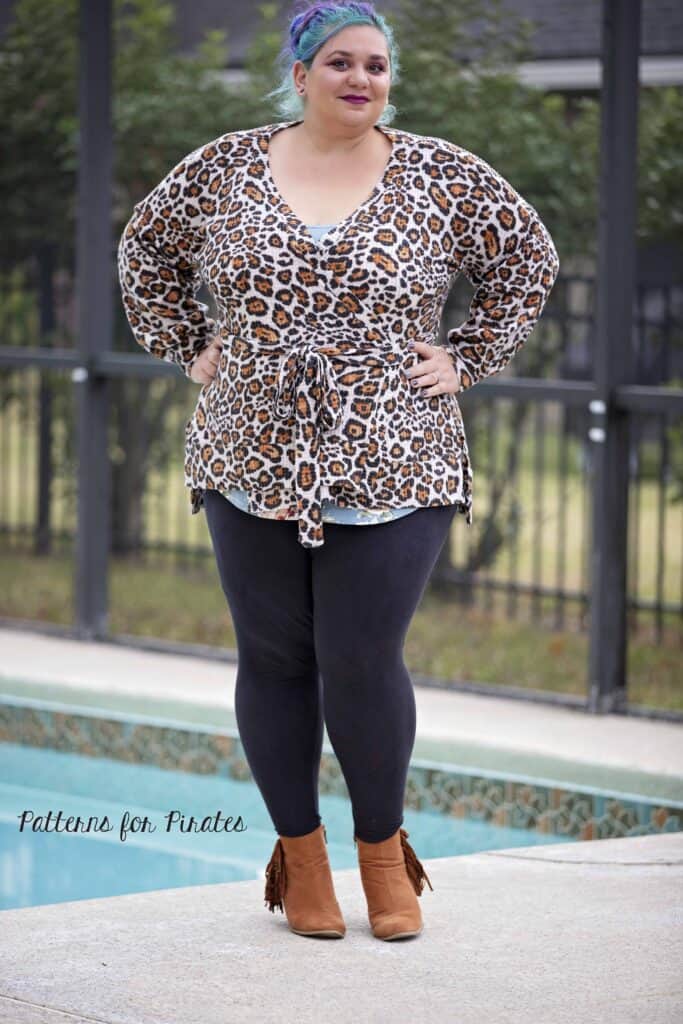
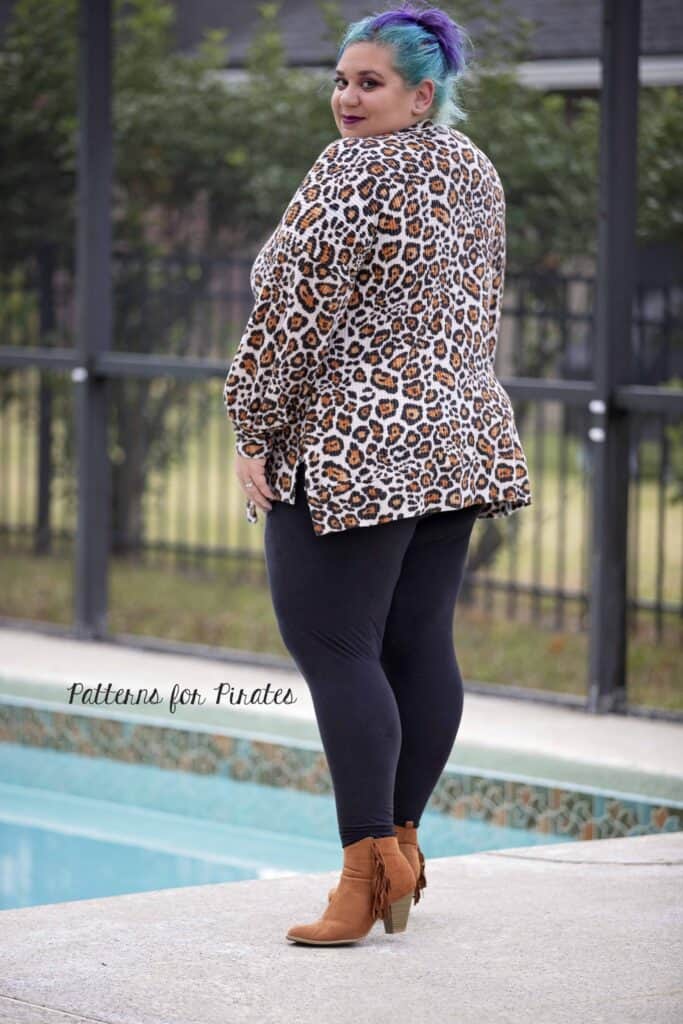
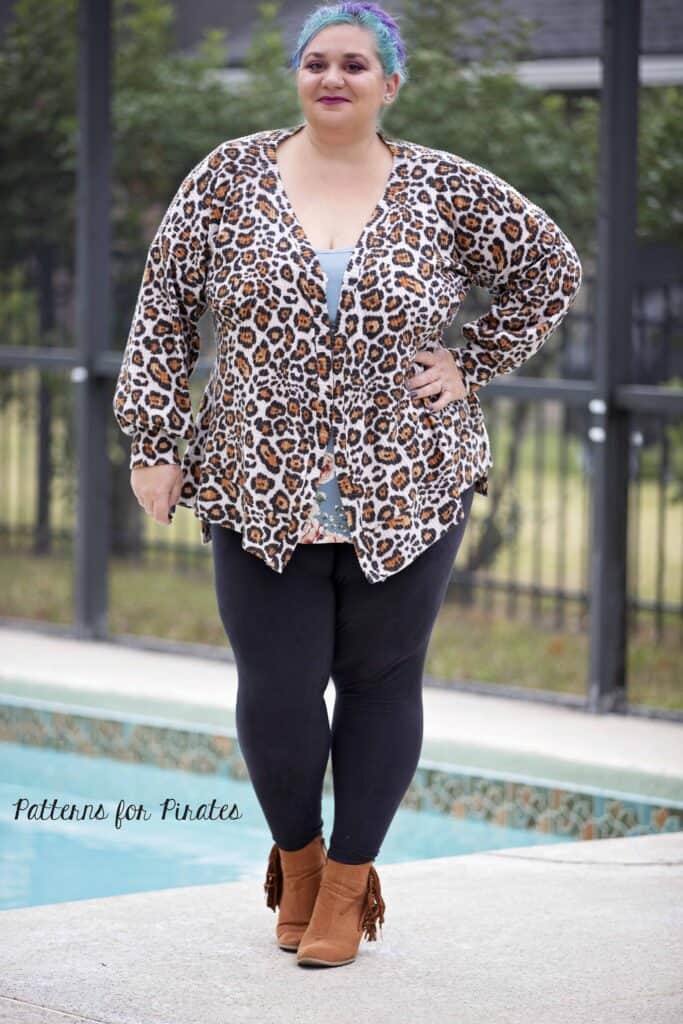
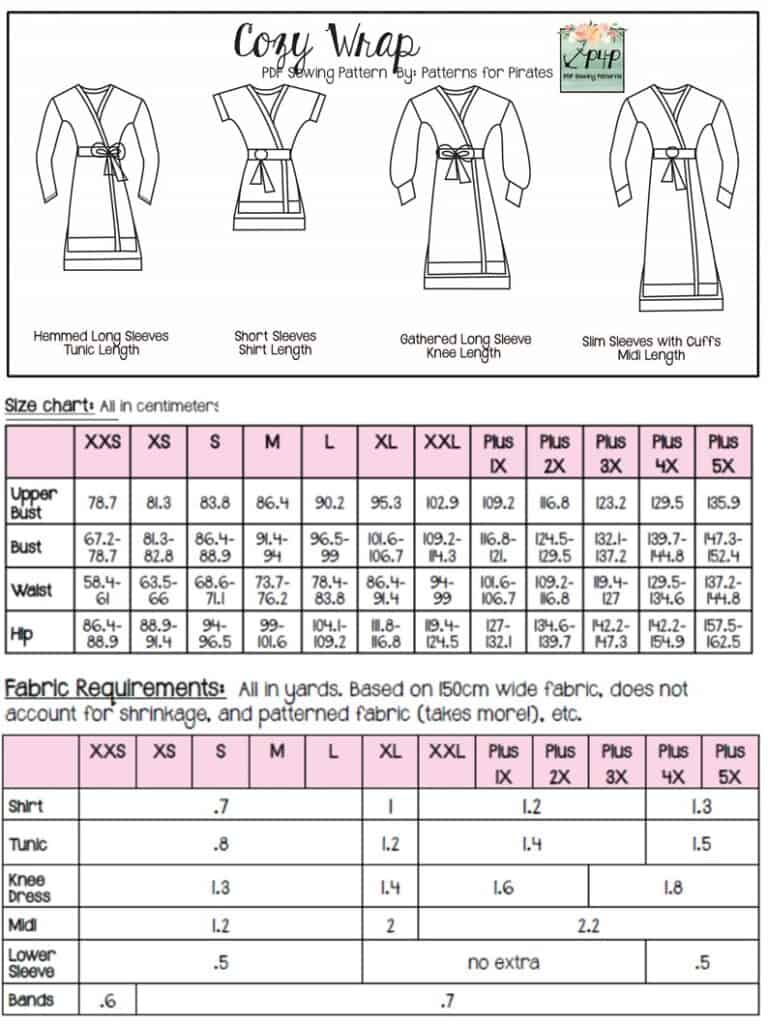
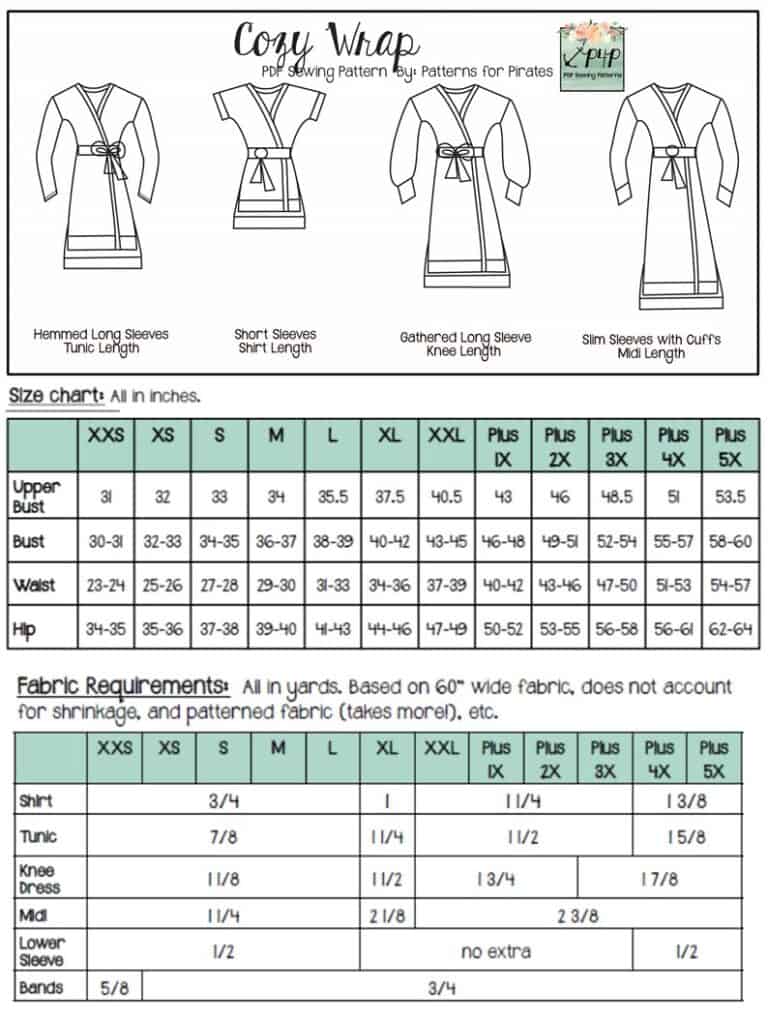
The Cozy Wrap patterns includes a shirt, tunic, knee and midi length as well as short sleeves, long hemmed sleeves and gathered sleeves. This pattern is drafted from light to medium weight fabrics with 20-30% stretch. The Cozy Wrap can be worn both as a wrap or as a cardigan. For my Cozy Wrap tunic I will be using January’s Fabric for Pirates.  Fabric for Pirates is this sew along’s sponsor so our winner will get to enjoy their very own January box!


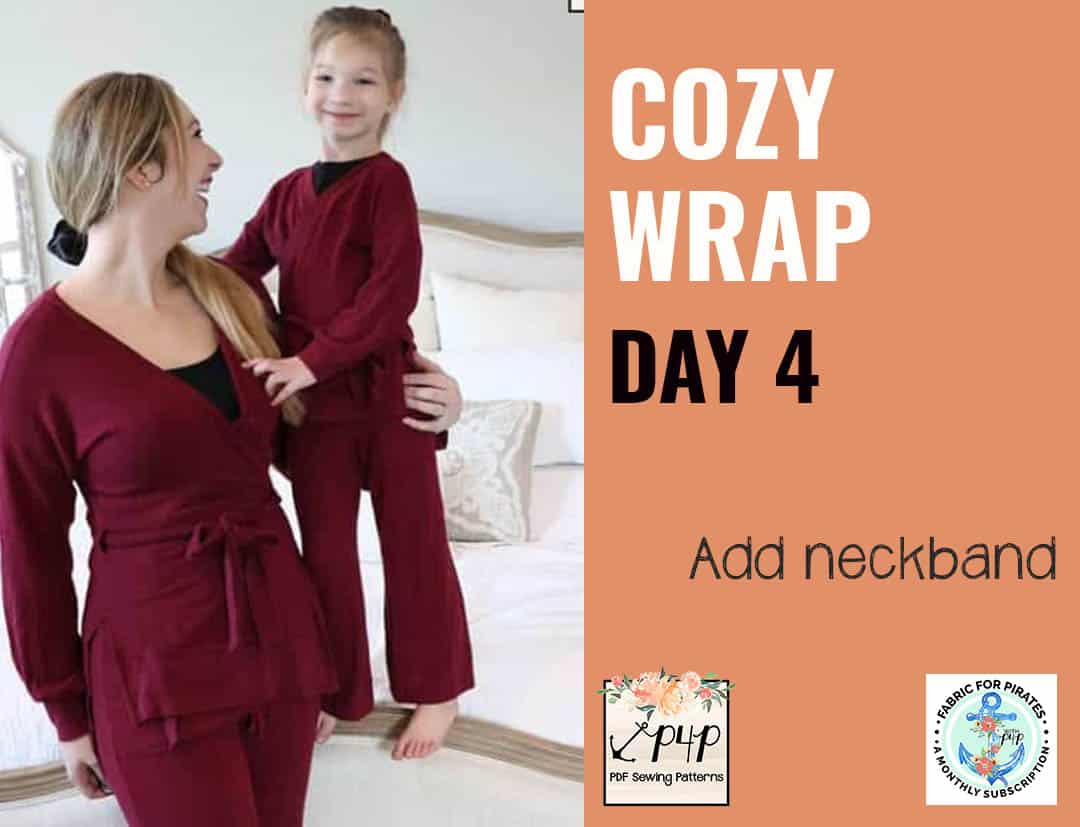
Day 1 video is posted below. I have used the projector file . Once you cut the fabric, post a picture of your pretty pile in the comments of DAY 1 photo of the Cozy Wrap album in the M4M & P4P Sew Along Group.

Cozy Wrap SAL day 1 | Cut fabric

Cozy Wrap SAL day 2 | Sew shoulder and side seams

Cozy Wrap SAL day 3 | Add bottom bands

Cozy Wrap SAL day 4 | Add neckband

Cozy Wrap SAL day 5 | Add sleeves

Cozy Wrap SAL day 6 | Add waist tie

Cozy Wrap SAL day 7 | Winners announcement
Filed Under: Fabric for Pirates, Frequently Asked Questions, Sew-A-Long, Uncategorized Leave a Comment

New Pattern Releases :: Sweater Weather

January 23, 2021

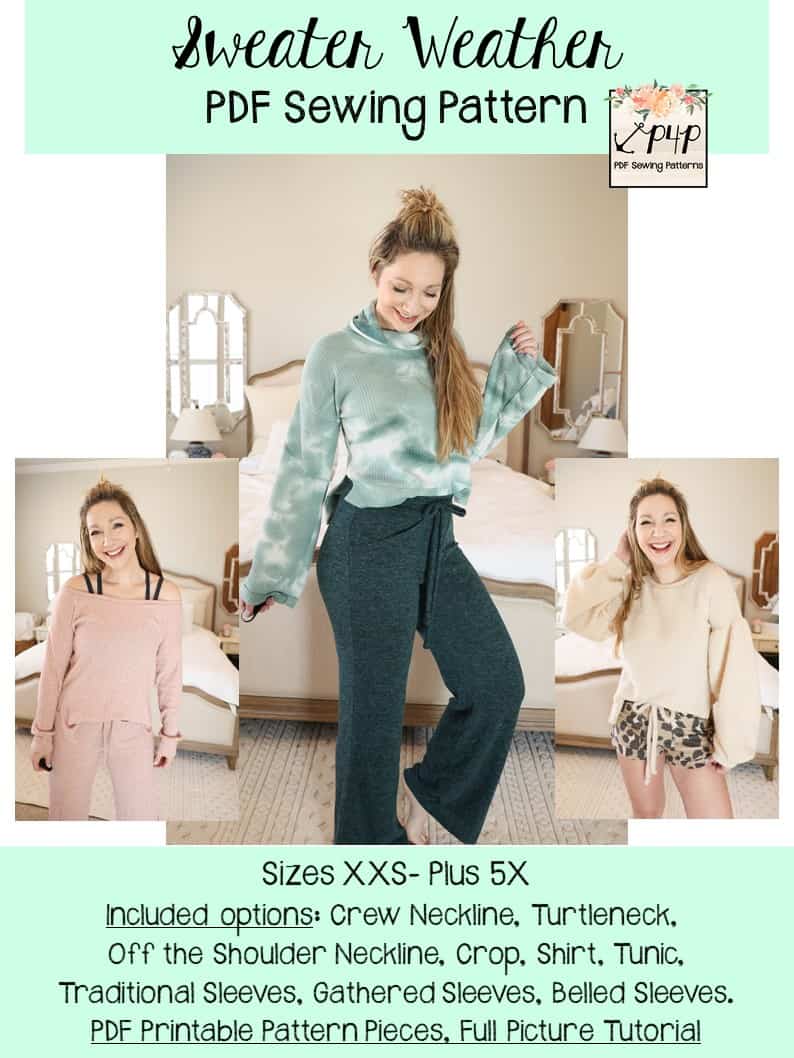
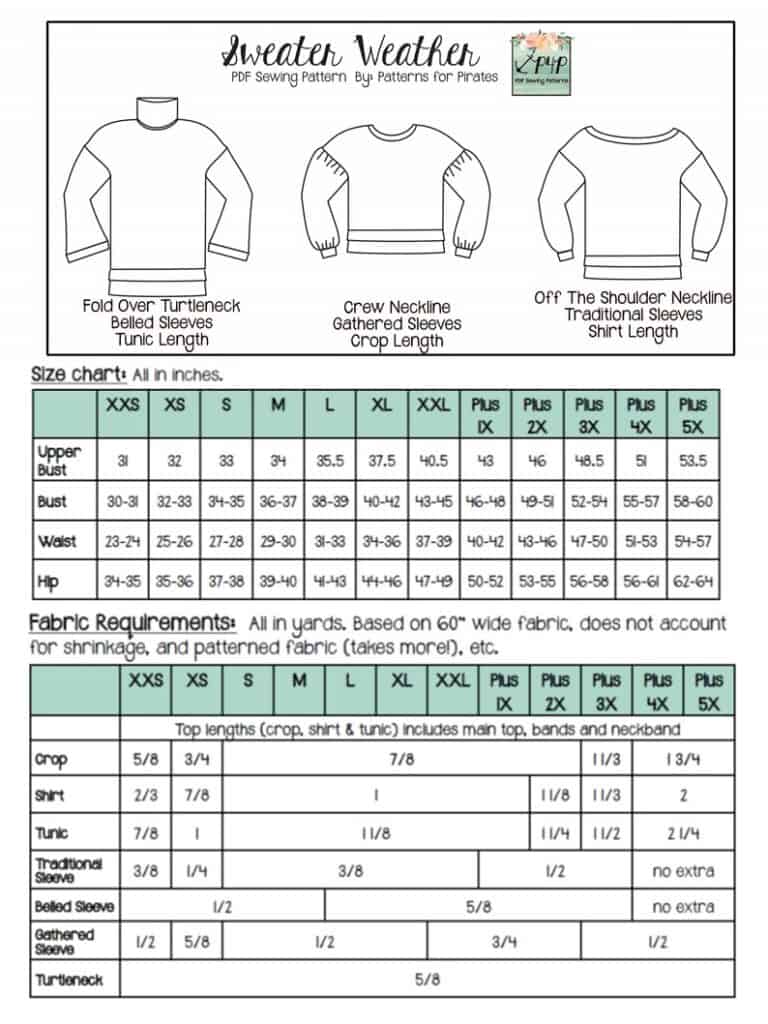
Coming off of the year that we all had last year, we wanted to start you off right in 2021 with something comfy, cozy and perfect for the winter season.  And so, our newest patterns were born.  Allow me to introduce you to: Sweater Weather.


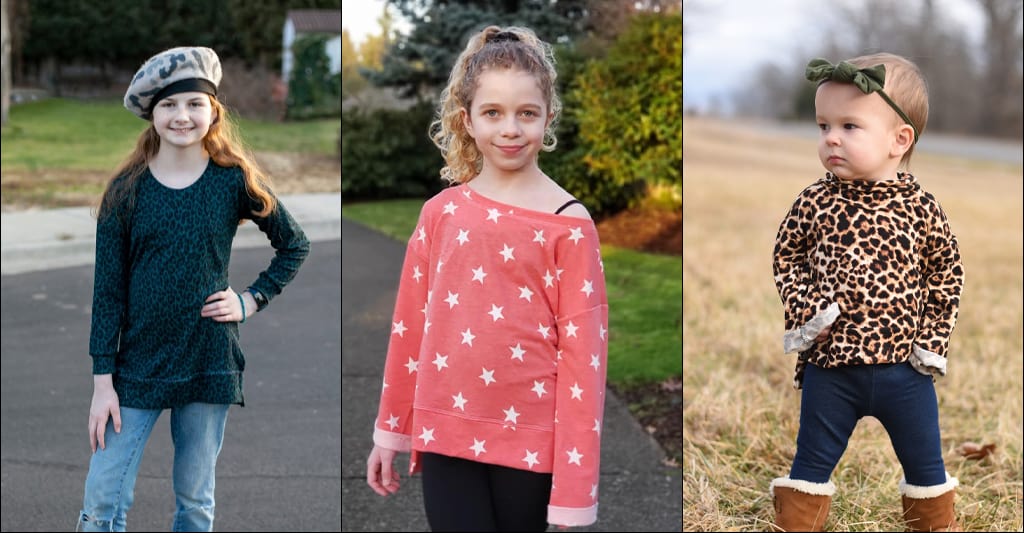
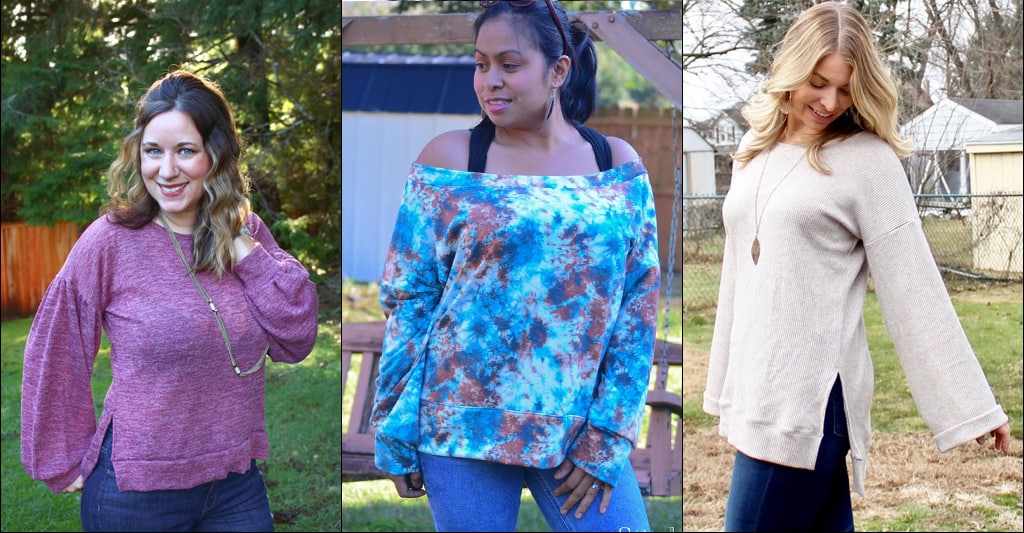
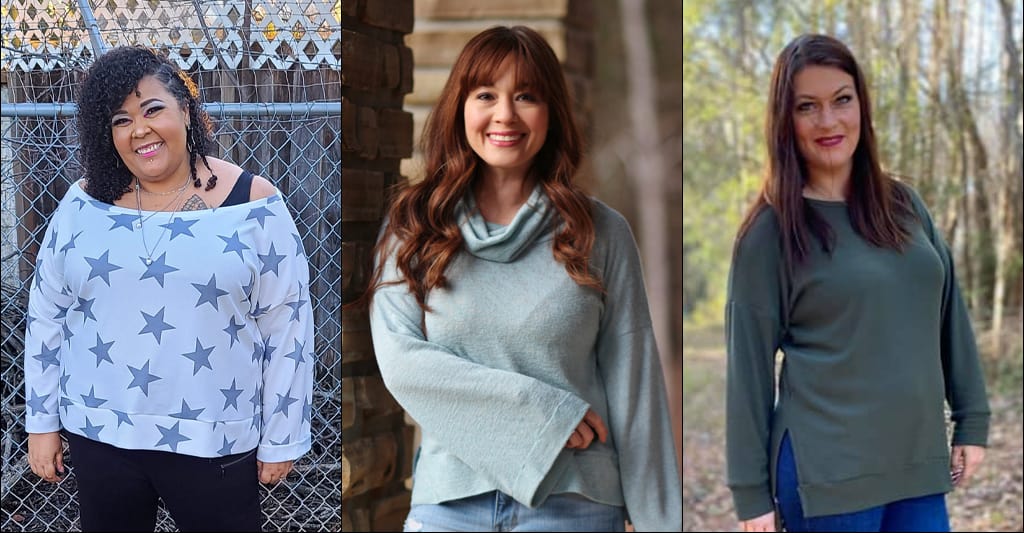
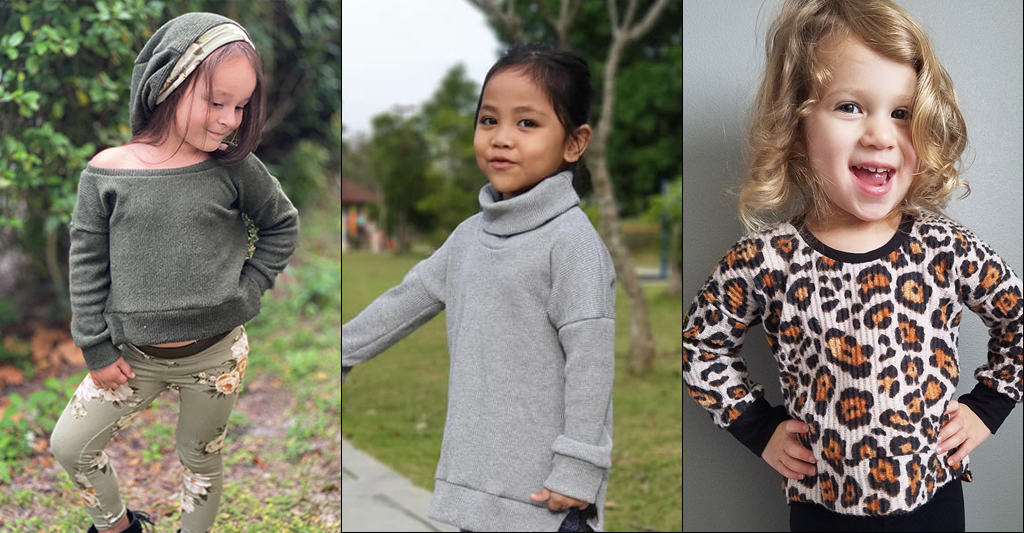
Sweater Weather is the perfect pattern to grab when it’s chilly.  You can create a classic sweater that will stay in your wardrobe for years to come or a super trendy look that hits the sweet spot this season perfectly.  You can go from off the shoulder when it’s just a bit cool, to crew, to turtleneck when you really need something warm.   The off the shoulder neckline is meant to be super wide so you can pull it off one side or wear it to the edge of your shoulders-  not so wide you need to mess with it all day with wear.  The crew neckline isn’t too tight that the crew or turtleneck feel restrictive even in thicker fabrics.  All sleeves options are long for those cooler months.  The belled sleeves are a super fun and trendy option that are so fun to wear.  The traditional sleeves will always be in style paired with any neckline.  And the gathered sleeves are such a fun a different detail to give yourself something fun to wear.  All options have a great split side seam with a longer back bodice.

Drafted for knits like sweater knits, double brushed poly, spandex french terry blends. waffle knits, ribbed knits, brushed waffle knits, brushed ribbed knits, and more.

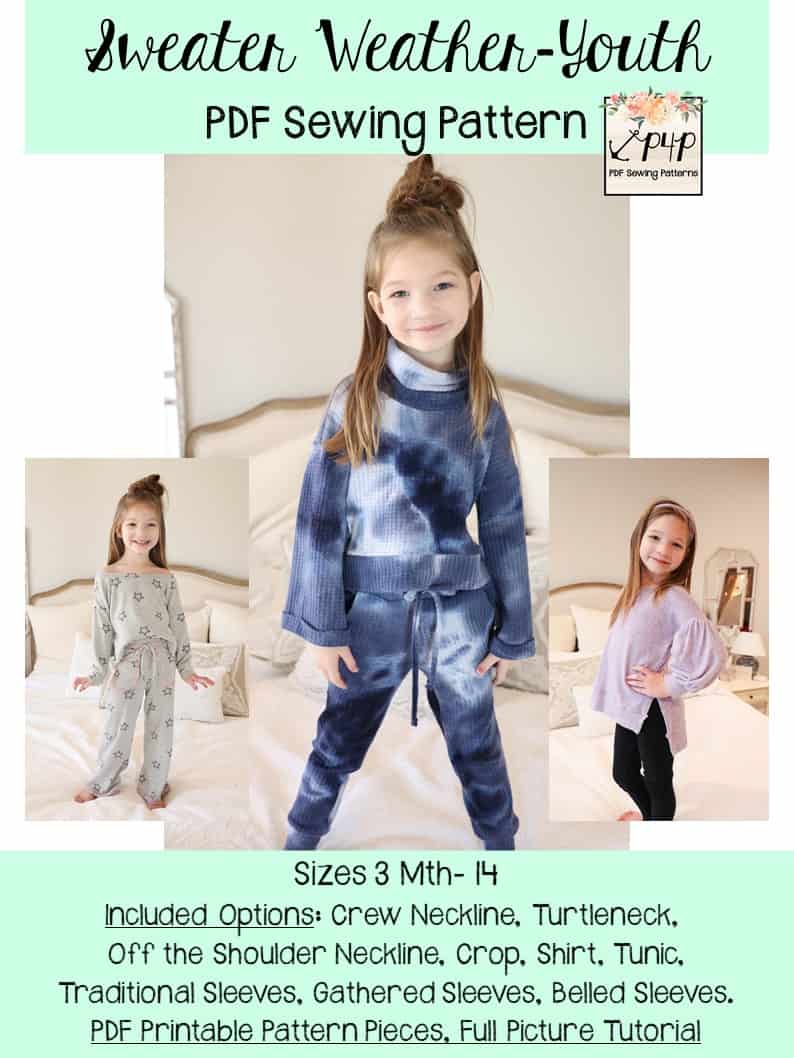
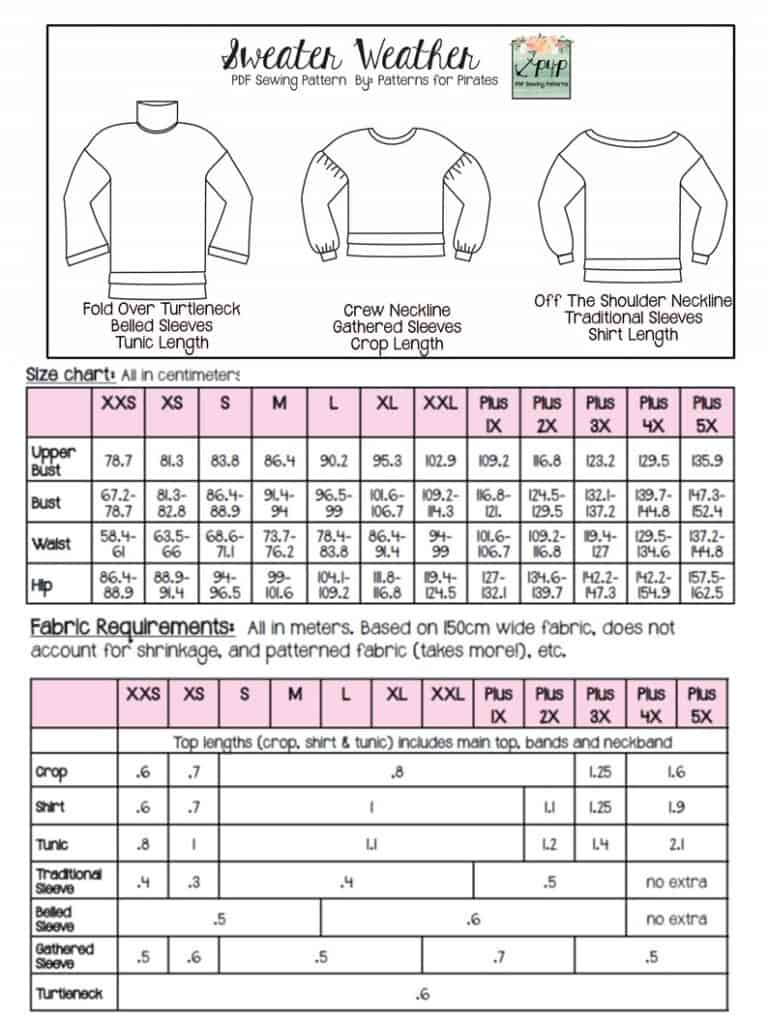
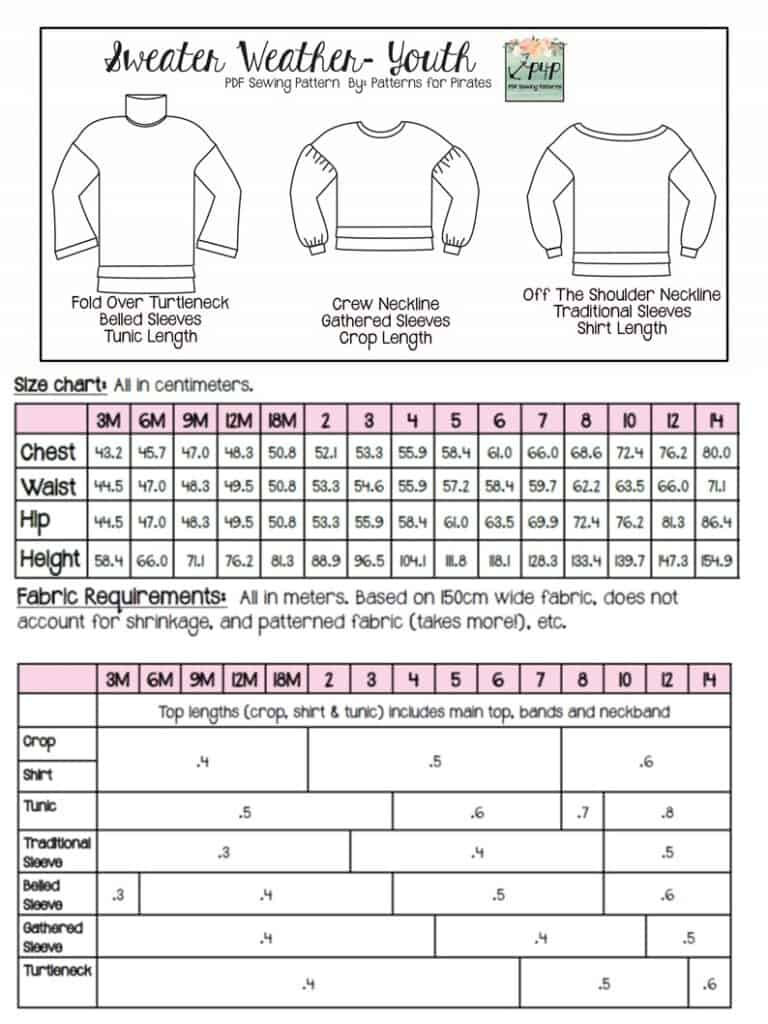
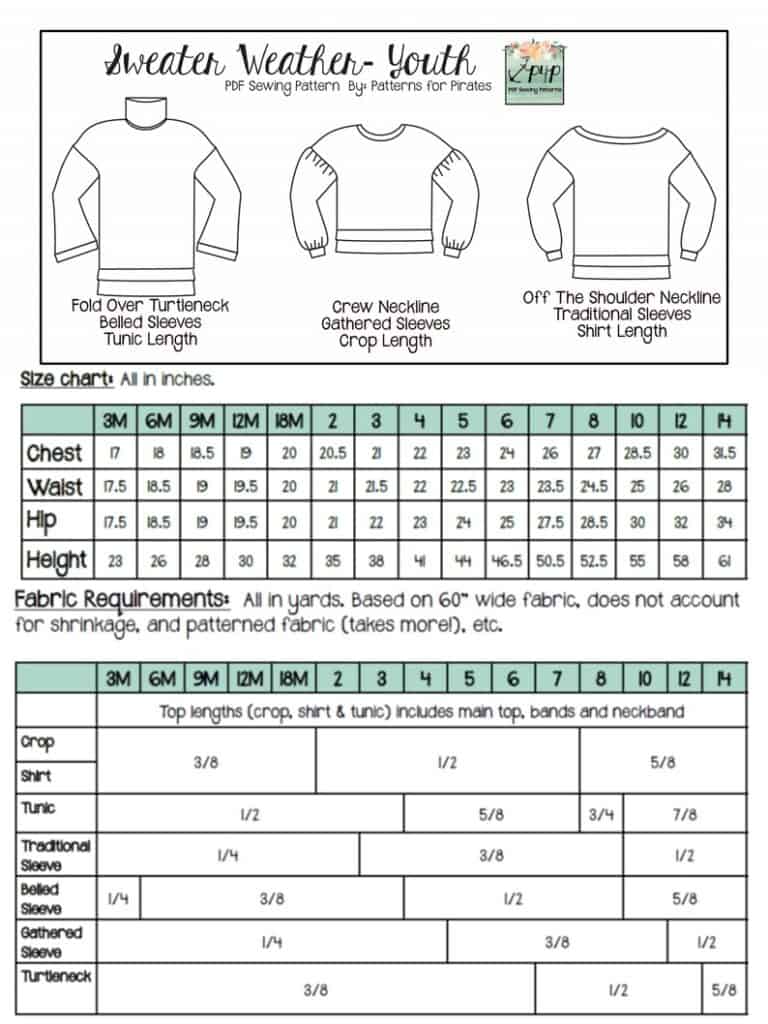
The youth sizes range from 3m – 14 and the adult sizes are for the full, newer size chart, extending from XXS – Plus 5X!  If you haven’t sewn with us in a while, please make sure to check the size charts, as there were slight adjustments made to accommodate the new size range for adults.


*Want to learn more about how to measure yourself for these pattern?  We’ve got you covered with an in-depth blog HERE.  And in case you’re new to Patterns for Pirates and PDF patterns in general, we have a great blog full of new-user tips HERE to help you get started!  As with all of our current releases and updates, the pdfs now include our layers feature and can be found in Letter, A4, A0 and projector sizes.  And for even more helpful fun, we have a free* printable that you can use to help record your measurements as you take them.

The options include:  3 hem lengths (crop / shirt / tunic), 3 sleeve options (traditional / gathered / belled) and 3 necklines (crew / turtleneck / off-the-shoulder).

We’ve also included several videos throughout the tutorial…including fabric suggestions, sewing up the side split hem, sewing the gathered sleeves and a complete sew up.

Let’s take a look at the different options, shall we?

HEM LENGTHS

SLEEVE OPTIONS

NECKLINES

What are you waiting for?  Head on over and grab yourself a copy of the perfect Sweater Weather patterns!  They are available on sale (no code needed) through 11:59pm CST, January 30, 2021.

SWEATER WEATHER | SWEATER WEATHER – YOUTH | SWEATER WEATHER – BUNDLE

Maybe hoping for a little more inspiration before you make the purchase?  Head over to our Facebook group where you can see tester albums full of amazing images!

Sweater Weather | Sweater Weather – Youth

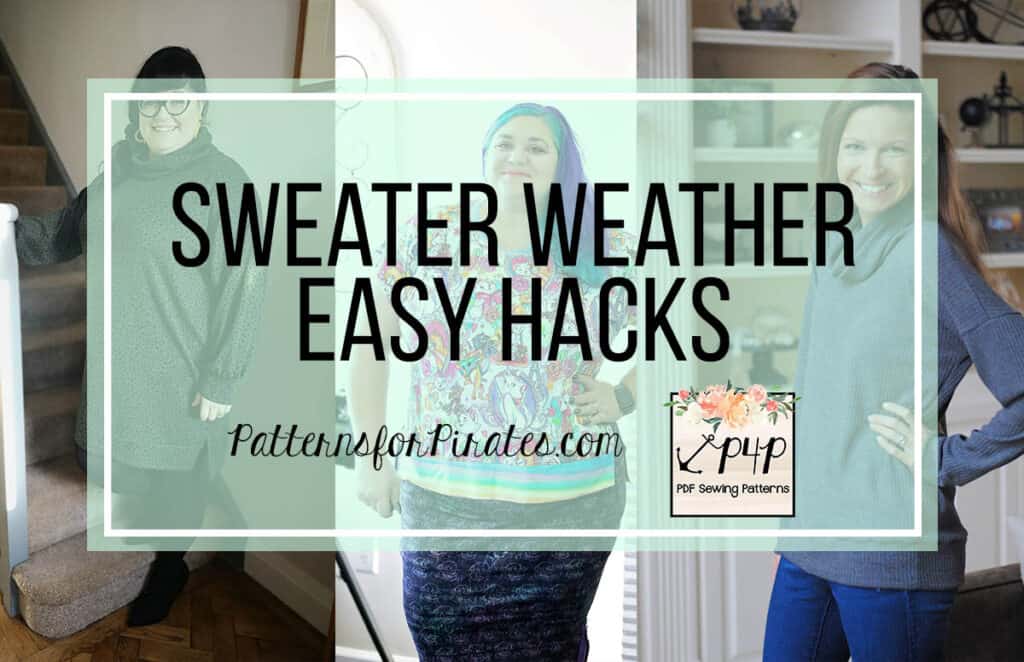
If you’re looking for even more options, we show you a few more ways you can use this pattern in our Sweater Weather Easy Hacks post.

Filed Under: Pattern Release Leave a Comment

Sweater Weather – easy hacks

January 23, 2021


From brrrrrr to ummmm! This cold days, stay nice and warm with the newest P4P pattern, the Sweater Weather! Our blog contributors team has put together some quick and easy hacks to give you even more options to the pattern. Dana is showing you how to make a wonderful Sweater Weather dress, Jody ditches the side seams for a classic banded look and I took the sweater from winter to summer. Let’s get started! 

…..

Dress

I live in sweater dresses in the winter months because it gets cold in the UK.  I couldn’t resist doing a little hack to the new Sweater Weather length to recreate a Pinspiration I’ve had on my to-do list for a while.

I measured the front pattern piece and then held the tape measure up to myself to decide how much length I wanted to add.  I decided to go with 6 inches extra added to the tunic length, which is a little more that I would normally add but there is a hi-low cutline, and so I wanted to make sure the front would be long enough for decency. 


I use a projector these days and it was as simple as adding 6 inches extra length to the bottom of the front and back bodice pattern pieces, which I did on the fly with my perspex quilting ruler and rotary cutter.

However I also printed out the pattern piece so you could see how it would work on paper too.  The pink paper is the added section. I then decided to mark the notch for my side slit 2 inches up from the bottom edge of the pattern, but this would be up to you.  I chase a 7 year old and a puppy around all day so I didn’t want that side split going too high, but you could go with whichever height you choose.  Then repeat for your back piece.

The only other change I made was to copy the bishop sleeve look from my inspiration pic, and I did that by just cutting the bell sleeve width to the slim cuffed sleeve length.  Projector and paper pattern piece pictures below:

Then I cheekily used my overlocker/serger to gather the bottom of the sleeve by increasing my stitch length and differential feed to their highest setting and whipping round the bottom of the sleeve piece, which gathered it in just enough to fit the cuff. Perfect!

Finally just construct the rest of the garment as per the instructions in the tutorial, and you’re done!

Happy Sewing!

Dana x

…..

No side split

Hey everyone! I have another super quick hack for you. As fun as that side split is that comes in the pattern, I was wanting a most basic top, so I decided to do without the side split for this! It’s as simple as adding a bit of length to the front bodice piece, and sewing the two waistband pieces together in a circle! I’ll break it down for you below.

First, you’ll need to make your front and back bodice pieces the same length. I chose to do Top length for this one, and the front bodice piece was about a little over an inch shorter than the back. Since I also use my projector and don’t print out the pattern pieces, I marked the new Top cut line digitally on my PDF file on my computer. In order to figure out how much length to add, I measured from the Split Marking on the side seam down to the Top cut line on the BACK bodice piece. For my size, that distance measured 2.65 inches.

I then measured down from the Split Marking on the side seam of the FRONT bodice piece and marked where the new Top cut line should be. (Doing this with Paper pattern pieces, you would simply lay the back bodice piece over the front piece and see how much extra to add to the bottom of the front!)

This is what the new digitally measured cut line looks like when projected.

Once I cut my bodice pieces (following the newly marked cut line for the front bodice!) You can see that my front and back bodices are the same length now!

Next, you can sew up your shoulder seams, add the sleeves, and then sew your side seams. When sewing the side seams, instead of stopping your stitches at the split marking like you would have to do if you were making the side split, you can just keep on keeping on and sew right on down to the bottom! Like so:

Lastly, you’ll need to create and attach your waistband. Take your two waistband pieces and place them right sides together. Stitch them together along the short ends.

Now fold the waistband circle wrong sides together aligning the raw edges.  You can now slip the waistband on the bottom of the sweater, aligning raw edges, and sew in place.

Now you have a comfy sweater without the extra side split!

Happy Sewing!

-Jody

….

Short sleeves

Last but certainly not least I wanted to show you how easy it is to take the Sweater Weather from chilly months to hot summer days. It’s as simple as using lighter fabric and making it short sleeves. For my example, I used custom bamboo spandex (my favorite fabric base!). There are not many modifications you need to do to get the look. Simply skip cutting the sleeves and sleeve cuffs when you gather your pieces. 

Sew the shoulder seems and instructed. Press the sleeve opening 1/2″, wrong sides together as shown below. This will create a memory hem. 

Sew the shirt side seams. Using your favorite stretch stitch (I used my coverstitch) hem the sleeves 1/2″. Press again for a crisp look. 

Tadah! Easiest hack ever! Continue sewing your Sweater Weather top as per the tutorial. 

ALTERNATIVE HACK: If you prefer a longer short sleeve, you can band it instead of hemming it. Before sewing the side seams, measure the opening. Cut two bands 4″ tall by the measurement you just did. Sew each band in a loop (at the short ends) using 1/2″ seam allowance. Press length wise, wrong sides together. Sew the shirt side seams. Attach the cuffs to the sleeve opening, matching the side seam. Press and optionally top stitch the seam allowance towards the sleeve. There you have it! A cuffed short sleeve. 

How adorable is Teri? She tested the Sweater Weather top and made herself a tie die short sleeve one too.


How fun and easy were these? We can’t wait to see your take on these hacks. Share your creations in the Patterns for Pirates FB group or on any social media platforms you use! 

Filed Under: Pattern Hacks, Pattern Release, Uncategorized 1 Comment
  • « Previous Page
  • 1
  • …
  • 20
  • 21
  • 22
  • 23
  • 24
  • …
  • 68
  • Next Page »

connect with me

  • Email
  • Facebook
  • Instagram
  • Pinterest
  • YouTube
Privacy & Cookies: This site uses cookies. By continuing to use this website, you agree to their use.

To find out more, including how to control cookies, see here: Cookie Policy
  • Privacy Policy
  • Refund Policy
  • Contact Us
  • About

Copyright © 2026 Patterns for Pirates

Copyright © 2026 · Genesis Framework · WordPress · Log in